
Selecting a mattress in the Philippines requires balancing comfort with the realities of a tropical climate. High ambient temperatures and year-round humidity significantly influence how different mattress materials perform overnight. While latex and innerspring mattresses naturally excel at promoting airflow and resisting moisture, memory foam can also be a viable option if it incorporates specific cooling technologies. Finding the right Mandaue Foam mattress involves evaluating how each material handles heat retention, breathability, and humidity resistance to ensure a cool and dry sleeping environment.
Understanding Tropical Climate Challenges for Mattresses
Sleeping comfortably in a tropical environment involves managing both heat and moisture. When ambient temperatures remain high throughout the night, the human body relies on sweating to cool down. If a mattress material lacks sufficient breathability, it traps this body heat and moisture, leading to an uncomfortable, sticky sleeping experience. Over time, this trapped heat can disrupt sleep cycles and cause frequent nighttime awakenings.
Beyond personal discomfort, high humidity poses a direct threat to the structural integrity of a mattress. When moisture from sweat and humid air penetrates the mattress layers without adequate ventilation, it creates an ideal breeding ground for mold, mildew, and dust mites. These organisms not only compromise indoor air quality but can also accelerate the degradation of internal foams and fibers, leading to premature sagging and a loss of support.
Products mentioned in this guide
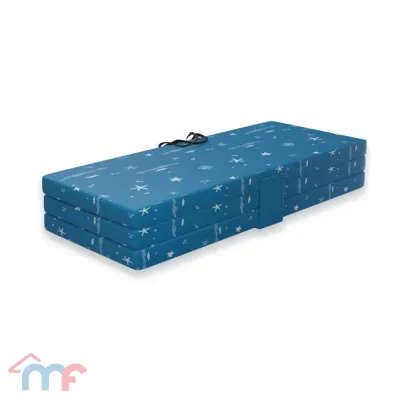
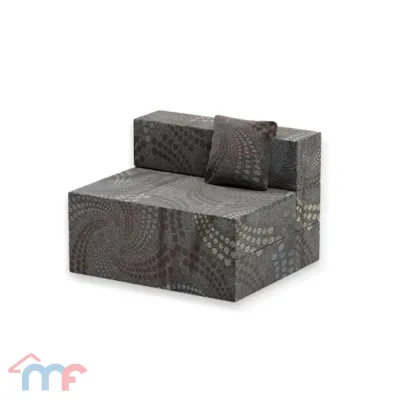
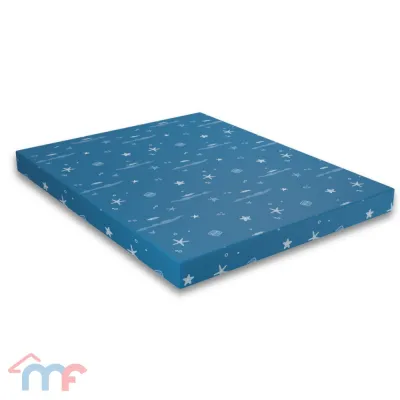
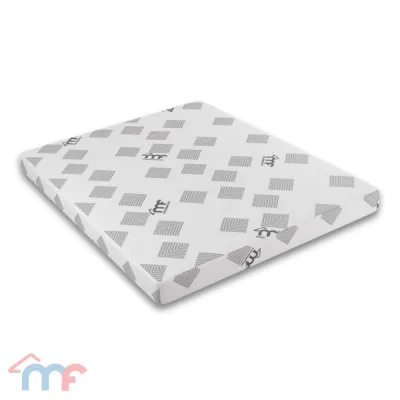
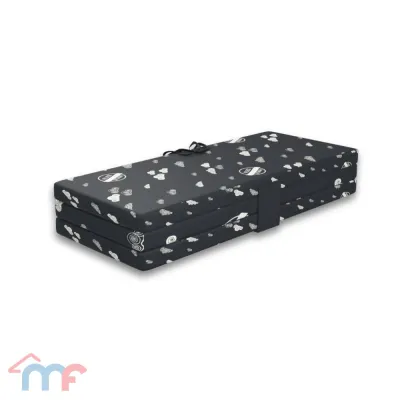
Prices are valid at publication and may change. Please refer to the product page for the latest price.
To withstand these conditions, a mattress must meet three core requirements: excellent airflow, effective moisture wicking, and long-term structural stability. Airflow allows heat to escape rather than accumulating beneath the sleeper. Moisture-wicking properties help draw sweat away from the skin and disperse it, while structural stability ensures that the materials do not soften excessively or break down when exposed to constant warmth and humidity.
Comparing Mandaue Foam Mattress Types for Heat and Humidity
To make an informed decision, it is helpful to compare how different mattress categories perform under tropical conditions. The three primary types available—innerspring, latex, and memory foam—each possess distinct physical properties that affect breathability, heat retention, and moisture resistance. Understanding these fundamental differences allows you to narrow down your choices based on your specific sleeping environment, such as whether you sleep in an air-conditioned room or rely on natural ventilation.

While material characteristics provide a reliable baseline, individual mattress models within the Mandaue Foam lineup can vary significantly. Manufacturers often combine different materials, such as adding a memory foam comfort layer on top of an innerspring base. Therefore, it is essential to verify the exact specifications of each specific model rather than assuming a mattress will perform a certain way based on its primary material category alone.
Innerspring Mattresses: Airflow and Structural Breathability
Innerspring mattresses are traditionally highly regarded for their superior ventilation. Because the core of the mattress consists of open steel coils, there is a vast amount of empty space that allows air to circulate freely. As you move during the night, the bellows-like action of the coils helps push warm air out and draw cooler air in, preventing heat from building up directly beneath your body.
However, the overall breathability of an innerspring mattress depends heavily on its comfort layers. If a spring mattress is topped with thick, dense layers of standard polyurethane foam or non-breathable synthetic fibers, these top layers can still trap heat and moisture before they ever reach the breathable coil core. When shopping, it is crucial to inspect the composition of the comfort layers and opt for models that use ventilated foams or breathable fabric covers.
Additionally, the humid Philippine climate requires careful consideration of edge support and overall durability. High humidity can sometimes affect the adhesives and foams used to encase the perimeter of pocket spring mattresses. Choosing a model with robust edge support and high-quality, moisture-resistant pocket casings ensures that the mattress maintains its shape and structural integrity even after years of exposure to humid air.
Latex Mattresses: Natural Resistance and Pinhole Designs
Latex mattresses are widely considered an excellent choice for tropical climates due to their natural physical structure. Most latex comfort layers are manufactured with a grid of small pinholes, which are created during the molding process. These pinholes act as natural ventilation channels, allowing air to flow horizontally and vertically through the mattress, which significantly aids in heat dissipation and temperature regulation.
Another major advantage of latex in a humid environment is its inherent resistance to common tropical pests and allergens. Latex is naturally hostile to dust mites, mold, and mildew, which thrive in warm, damp conditions. This makes latex mattresses a highly hygienic option for homes in the Philippines, particularly for sleepers who suffer from allergies or respiratory sensitivities triggered by mold spores.
When evaluating latex options, it is important to distinguish between natural, synthetic, and blended latex. Natural latex typically offers superior breathability and elasticity, but it can be heavier and more expensive. Synthetic latex is often more budget-friendly but may retain slightly more heat and have a shorter lifespan. Checking the product specifications for the ratio of natural to synthetic latex will help you balance performance, durability, and cost.
Memory Foam Mattresses: Heat Retention and Cooling Technologies
Traditional memory foam is known for its deep contouring comfort, but it historically presents challenges in hot climates. Because memory foam reacts to body heat and pressure to mold to your shape, it naturally tends to retain warmth. The dense, closed-cell structure of standard memory foam restricts airflow, which can lead to a “sleeping hot” sensation, especially in rooms without continuous air conditioning.
To address this issue, modern memory foam mattresses often incorporate various cooling modifications. When browsing Mandaue Foam’s selection, look for specifications indicating gel-infused foams, open-cell structures, or specialized cooling covers. Gel infusions are designed to absorb and dissipate initial body heat, while open-cell designs create tiny pathways within the foam to allow better air movement than traditional closed-cell foam.
Ultimately, choosing a memory foam mattress in a tropical climate involves a trade-off between contouring pressure relief and thermal regulation. If you prefer the hugging sensation of memory foam, ensuring the mattress has active cooling features and pairing it with a well-ventilated room or air conditioning is essential to prevent discomfort from heat and ambient moisture absorption.
Key Specifications to Check Before Buying
When evaluating specific Mandaue Foam models in-store or online, having a practical checklist of technical specifications can guide you to the right choice. First, pay close attention to the cover materials. Look for covers made from breathable, moisture-wicking fabrics such as cotton, bamboo-derived rayon, or specialized cooling yarns. A breathable cover is the first line of defense against heat buildup and helps keep the sleeping surface dry.
Next, examine the internal structural details of the mattress. For innerspring models, check the coil type (such as pocket springs, which isolate motion and allow localized airflow) and the quality of the transition layers. For memory foam and latex models, look for information on foam density and the presence of ventilation channels. Higher-density foams generally offer better durability but may require more advanced cooling technologies to maintain adequate airflow.
Finally, review the warranty and trial terms carefully before making your purchase. While prices can range from under ₱5,000 for basic models to over ₱20,000 for premium options, focusing on the warranty terms is essential for long-term value. Check if the warranty specifically covers issues common in humid climates, such as premature sagging, permanent body impressions, or material degradation. Understanding what constitutes normal wear versus a manufacturing defect under tropical conditions will protect your investment and give you peace of mind.
Tropical Maintenance: Preventing Mold and Prolonging Mattress Life
Proper maintenance is essential to protect your mattress from the damaging effects of high humidity and prolong its lifespan. One of the simplest and most effective practices is to ensure regular room ventilation. Opening windows on dry days, using ceiling fans, or running a dehumidifier helps lower the indoor humidity levels, preventing moisture from becoming permanently trapped within the mattress fibers.
Using a high-quality mattress protector is another crucial step in tropical mattress care. Opt for a protector that is explicitly labeled as both waterproof and breathable. A waterproof barrier prevents sweat, oils, and accidental spills from soaking into the foam or rusting the internal springs, while breathability ensures that air can still circulate, preventing the mattress from feeling hot and plastic-like.
If you need to clean surface stains, always use safe, low-moisture methods. Avoid oversaturating the mattress with water or liquid cleaners, as deep foam layers and spring casings can take a very long time to dry in humid weather, leading to internal mold growth. Instead, spot-clean with a damp cloth and mild detergent, and ensure the mattress is completely dry—using a fan or placing it in a well-ventilated, shaded area—before putting the sheets back on.
Frequently Asked Questions (FAQ)
Does Mandaue Foam offer a sleep trial to test for heat retention?
Sleep trials allow customers to sleep on a mattress in their own home for a set number of nights to evaluate its comfort, support, and heat retention under real-world conditions. Because thermal comfort is highly subjective and depends on your home’s ventilation, a trial period is an excellent way to ensure a mattress will not run too hot. To find out if a specific Mandaue Foam model qualifies for a sleep trial, you should check the current terms, conditions, and return policies directly on the official Mandaue Foam website or consult with their in-store sales representatives.
How often should I rotate my mattress in a humid climate?
In a humid climate, it is generally recommended to rotate your mattress every three to six months. Regular rotation helps distribute body weight and sweat exposure evenly across the surface, preventing localized sagging and moisture accumulation. This practice allows the internal foams and comfort layers to recover their shape and provides compressed areas with an opportunity to dry out and ventilate properly, ultimately extending the overall lifespan of the mattress.

Community discussion
Share your experience or ask a question. Comments are reviewed before publication.