
Integrating plastic cabinet drawers into an existing wardrobe is one of the most practical ways to organize folded clothing, accessories, and seasonal items. The ideal choice for your home depends entirely on the physical architecture of your wardrobe—specifically whether you are working with a deep, custom built-in closet, a standardized freestanding wooden wardrobe, or a highly adjustable modular wire or wood frame. To make these plastic units work seamlessly, you must match their exterior dimensions to your wardrobe’s internal depth, account for door hinge clearances, and select configurations that remain stable under the weight of your daily wear. By focusing on precise measurements and structural compatibility, you can transform cluttered shelves into highly functional, dust-free storage zones.
Understanding Your Wardrobe Setup and Space Constraints
Before purchasing any plastic drawer units, you must analyze the structural layout of your current wardrobe. Wardrobes generally fall into three categories: built-in, freestanding, and modular. Built-in wardrobes are typically custom-made to fit a specific room’s alcove, often featuring generous depths and fixed, heavy-duty wooden frames. Freestanding wardrobes, which are highly common in many homes, are self-contained units with standardized depths and either swing-out or sliding doors. Modular wardrobes consist of open, adjustable shelving systems or metal racks that can be reconfigured as your storage needs evolve.
Each of these setups presents unique physical limitations that dictate which drawer sizes and styles will fit. In freestanding wardrobes, the most common obstacle is door clearance. Swing doors require the drawers to sit far enough back so that the door panels can close completely and latch. Sliding doors present an even greater challenge, as the overlapping door panels often block half of the wardrobe opening at any given time, requiring drawers to be narrow enough to pull out within the open section.
Products mentioned in this guide

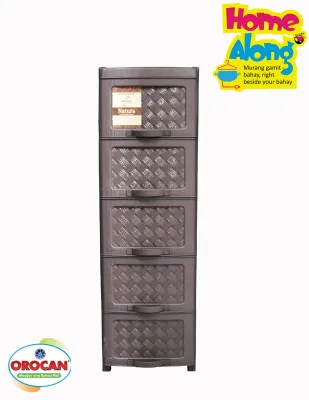


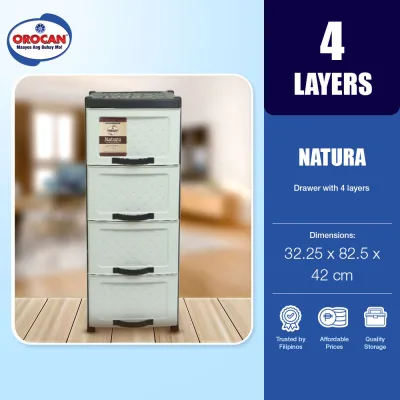
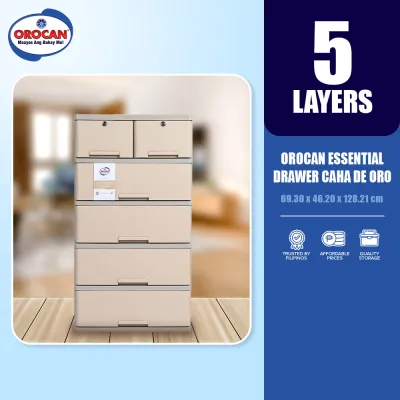
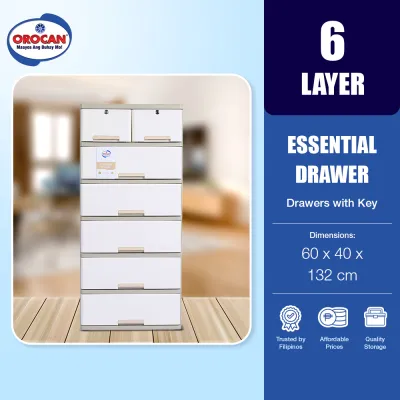
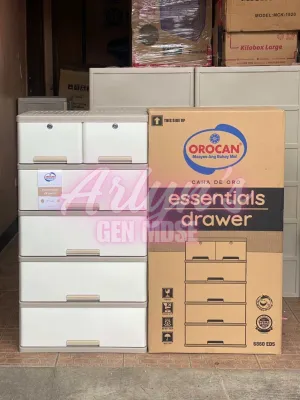
Prices are valid at publication and may change. Please refer to the product page for the latest price.
Additionally, you must look out for internal obstructions. Cabinet hinges, magnetic door catches, and low-hanging clothes rods can easily block a drawer from opening or prevent a plastic cabinet from sliding into a shelf compartment. Your primary storage goal should also guide your choice. For instance, storing bulky items like bedsheets or denim requires deeper, wider drawers, whereas organizing small accessories, undergarments, or t-shirts is much easier with slim, multi-tiered drawer units.
Selecting Orocan Drawer Configurations by Wardrobe Type
Integrating plastic drawers into your wardrobe is not a one-size-fits-all task. The structural differences between built-in, freestanding, and modular wardrobes require distinct approaches to ensure the drawers are stable, accessible, and do not interfere with the wardrobe’s doors or structural integrity.

Built-In Wardrobes: Maximizing Vertical and Deep Spaces
Built-in wardrobes often feature deep shelves that make it difficult to reach items stored at the very back. This deep-shelf configuration is highly compatible with deep plastic drawer units, which act as pull-out organizers that bring hidden items into plain view. When selecting drawers for these deep spaces, check the product specifications to ensure the drawer slides out smoothly to its full length without falling out of its frame.
Because built-in closets frequently utilize high ceilings, they offer excellent opportunities for vertical stacking. You can stack individual plastic drawer units to utilize the empty vertical space above eye level. However, stability is paramount when stacking units on high shelves. Always place the heaviest items, such as folded jeans or thick towels, in the bottom drawers to lower the center of gravity, and verify that the stacked units lock securely into one another.
Before finalizing your layout, inspect the interior of your built-in closet for sliding door tracks or internal lighting fixtures. Sliding tracks along the floor or ceiling can reduce the usable internal width by several centimeters. Similarly, low-voltage LED light strips or surface-mounted fixtures can be easily damaged if a tall plastic drawer unit is forced into a tight space.
Freestanding Wardrobes: Adapting to Fixed Shelves and Depths
Freestanding wardrobes typically have fixed, standardized depths that are shallower than custom built-in closets. When shopping for plastic drawers to place inside a freestanding cabinet, your primary task is matching the drawer’s exterior depth to the wardrobe’s internal shelf depth. If the drawer unit is even a centimeter too deep, the wardrobe doors will fail to close, exposing your clothes to dust and pests.
For compartments with limited vertical clearance between fixed wooden shelves, slim or medium-height drawer units are the most practical choice. These low-profile drawers allow you to categorize smaller items like socks, handkerchiefs, and activewear without wasting vertical space. Attempting to squeeze a tall drawer unit into a tight shelf compartment can warp the plastic frame, making the drawers difficult to slide open.
Weight distribution is another critical factor for freestanding wardrobes. Many mass-produced wooden wardrobes feature shelves made of particleboard or thin plywood, which can sag or crack under heavy loads. If you plan to use large, multi-drawer plastic units filled with heavy garments, place them directly on the floor of the wardrobe rather than on elevated shelves. This ensures the weight is supported by the floor, preserving the structural integrity of your wooden cabinet.
Modular Wardrobes: Flexible and Stackable Drawer Solutions
Modular wardrobes thrive on flexibility, making them the perfect match for stackable plastic drawer configurations. Because modular shelves can be adjusted up or down, you can easily reconfigure your storage layout as the seasons change or as your wardrobe grows. Stackable plastic drawers allow you to build a custom storage tower that fits perfectly beneath hanging rods or alongside open shelving.
When building a vertical stack in an open modular frame, you must ensure the base drawers are wide and stable enough to prevent tipping. When a top drawer is fully extended and loaded with clothes, it exerts forward leverage on the entire stack. To maintain balance, choose drawer units with a wide footprint for the base, and avoid stacking narrow, top-heavy units without securing them to the modular frame or the wall behind them.
To optimize accessibility in a modular setup, consider combining open plastic bins with closed drawer units. Use closed drawers to protect delicate fabrics, undergarments, and white clothing from dust and sunlight, which can cause yellowing over time. Meanwhile, open bins can be placed on higher or lower shelves for quick-access items like daily-use bags, hats, or laundry accessories.
Key Measurements and Clearance Checks Before Buying
To avoid the hassle of returning a plastic drawer unit that does not fit, you must perform a series of precise measurements before making a purchase. Start by measuring the internal width, depth, and height of the specific wardrobe compartment where the drawers will sit. Do not rely on the wardrobe’s external dimensions, as the thickness of the wooden panels, backboards, and door frames can significantly reduce the actual usable space inside.
When measuring, always subtract the necessary clearance for drawer handles, front lips, and pulling space. Many plastic drawers feature handles or decorative front panels that protrude beyond the main frame. If your wardrobe has tight swing doors, these small protrusions can prevent the doors from latching. Additionally, ensure there is at least a two-centimeter clearance on all sides of the plastic unit to allow for easy installation and removal.
Door swing radius and sliding door overlap are critical factors that are easily overlooked. For wardrobes with swing doors, measure the clearance near the hinges; the door panel itself or the metal hinge mechanism may block the drawer from pulling out fully if the unit is placed too close to the side wall. For sliding doors, slide the door completely to one side and measure only the visible, unobstructed opening. Your plastic drawers must be narrow enough to slide out through this opening without scraping against the edge of the sliding door panel.
Before placing loaded plastic drawers on elevated wooden shelves, verify the weight capacity of those shelves. Look for signs of bowing or weak shelf support pegs. Finally, always check the manufacturer’s stated exterior dimensions on the product label or online marketplace listing. Compare these exact figures against your internal wardrobe measurements to guarantee a perfect fit.
Material, Ventilation, and Weight Capacity Considerations
Plastic drawer units are highly valued for their durability, lightweight nature, and resistance to pests, but their performance still depends on proper selection and care. When evaluating different plastic drawers, assess the structural rigidity of the plastic frame. High-quality, thick plastic is essential if you plan to store heavier items like denim, jackets, or bed linens. Thin, flexible plastic frames can bow under heavy loads, causing the drawers to sag and stick when you try to open them.
In tropical climates, humidity is a constant challenge for clothing storage. High humidity can trap moisture inside closed plastic drawers, leading to musty odors, mildew, and damage to delicate fabrics. To combat this, look for plastic drawers that feature ventilation holes, woven-style patterns, or breathable designs that promote air circulation. If you prefer completely sealed drawers to protect against dust and insects, you must take extra precautions to manage moisture inside the unit.
Smooth operation is another key feature to check. Look for drawer units equipped with smooth gliding mechanisms and built-in drawer stoppers. Stoppers are crucial safety features that prevent the drawer from pulling completely out of the frame and spilling its contents onto the floor—a particularly important consideration if you have children or pets in the home.
To keep your plastic drawers in top condition, follow basic care and maintenance guidelines. Clean the plastic surfaces regularly using a soft, damp cloth and a mild dishwashing liquid; avoid abrasive scrubbers or harsh chemical cleaners that can scratch or degrade the plastic. Keep the drawers away from direct sunlight streaming through windows, as prolonged exposure to ultraviolet rays can cause the plastic to become brittle, warp, or fade over time.
Frequently Asked Questions (FAQ)
Can I stack Orocan drawers without them tipping over inside a wardrobe?
Yes, you can stack plastic drawers inside a wardrobe, but you must follow strict stability guidelines to prevent tipping. Always place the heaviest items in the bottom drawers to establish a low center of gravity. Many plastic drawer units are designed with interlocking grooves or nesting tops that help secure stacked units together; verify that these features are properly aligned during assembly. If you are stacking units higher than chest level, or if the stack feels unstable when a drawer is pulled out, you should anchor the top of the stack to the wardrobe frame or the back wall using heavy-duty adhesive strips or mounting brackets designed for furniture safety.
How do I prevent clothes from smelling musty in plastic drawers?
To prevent musty odors in plastic drawers, especially during the humid rainy season, you must ensure that all clothing is completely dry before placing it inside. Even a tiny amount of residual moisture can trap humidity and cause mildew. Place disposable moisture absorbers, silica gel packets, or hanging dehumidifiers inside the wardrobe or directly in the drawers. Additionally, avoid overpacking the drawers; leaving some empty space allows air to circulate freely. Periodically open the wardrobe doors and pull the drawers out slightly on dry, sunny days to let the storage system air out.

Community discussion
Share your experience or ask a question. Comments are reviewed before publication.