
Finding the right book shelves rack for a small condo in the Philippines requires balancing vertical height, floor footprint, and structural stability. In compact urban homes, the ideal shelving unit maximizes underutilized wall space, fits through tight elevator doors, and withstands tropical humidity without warping. By focusing on modular, corner, or tall-and-narrow configurations, condo dwellers can organize their books and decor without sacrificing valuable floor area.
Assessing Your Condo Space and Storage Needs
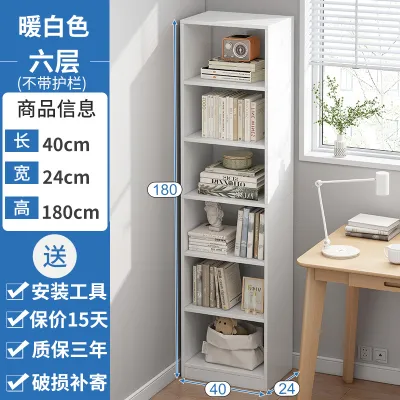
Before purchasing any book shelves rack, measure your actual floor area and compare it to the vertical clearance of your walls. In many Philippine condominiums, ceiling heights range from 2.4 to 2.8 meters, offering significant vertical real estate that often goes unused. Choosing a tall, narrow rack allows you to utilize this vertical space while keeping the footprint on your floor minimal.
Next, analyze what you plan to store to determine the ratio of open shelving to closed cabinetry. If you have a collection of pristine novels, decorative plants, or travel souvenirs, open shelves provide easy access and visual interest. However, if you need to store messy paperwork, office supplies, or household utilities, look for units that incorporate lower drawers or cabinet doors to hide clutter.
Products mentioned in this guide

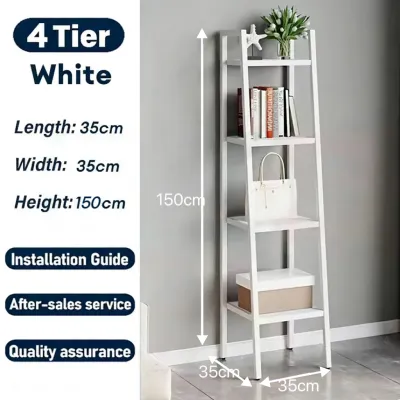
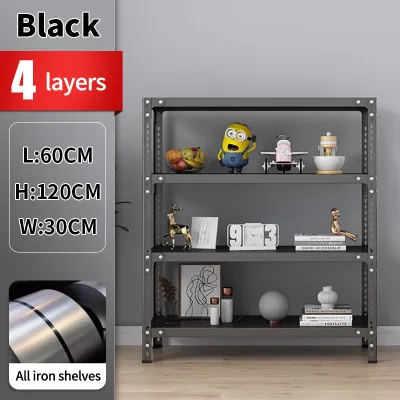
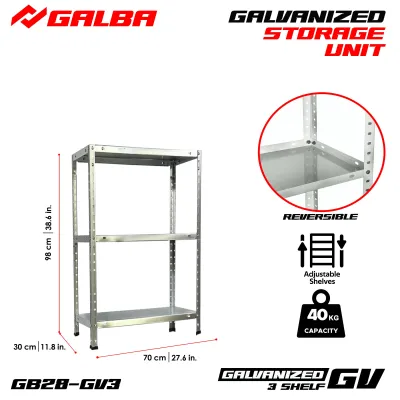
Prices are valid at publication and may change. Please refer to the product page for the latest price.
Consider the existing layout of your room, paying close attention to natural light sources and daily traffic paths. Placing a bulky shelving unit too close to a window can block natural light, making a small studio feel dark and cramped. Ensure there is enough clearance for cabinet doors to swing open fully without hitting your bed, sofa, or dining table.
Additionally, map out the flow of movement through the room to avoid creating bottlenecks. A shelf placed in a narrow hallway or right next to an entryway can disrupt the natural path of travel and lead to accidental bumps. Mark the proposed footprint on your floor using masking tape to visualize how the unit will affect your daily movement before making a final decision.
Space-Saving Book Shelves Rack Configurations
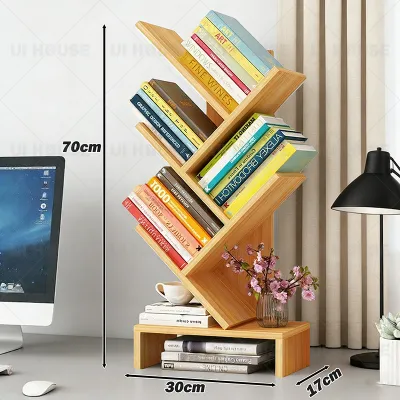
Selecting the right configuration is key to maximizing every square inch of your condo. Vertical and tiered racks are excellent for tight spaces because they taper upward, reducing visual weight while providing stable storage. These ladder-style or A-frame shelves lean or stand flush against the wall, offering deep lower shelves for heavy items and shallower upper shelves for smaller books.

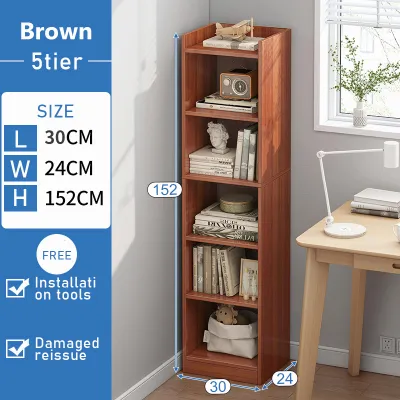
Corner shelving units are another highly effective option for reclaiming dead space. The corners of a room are frequently left empty or underutilized, especially near balcony doors or structural columns common in Philippine condo designs. A dedicated corner book shelves rack fits snugly into these ninety-degree angles, turning an awkward nook into a functional library.
For those who want to keep their floors completely clear, wall-mounted or floating shelves are a premier choice. By lifting the storage off the ground, you expose more floor area, which visually expands the room and makes cleaning much easier. This configuration is particularly useful above low-profile furniture like sofas, desks, or television consoles.
Multi-functional designs offer dual-purpose utility that is highly beneficial in studio apartments. Some shelving units feature integrated fold-out desks, allowing you to transition from a bookcase to a home office setup in seconds. Alternatively, a freestanding, open-backed book shelves rack can serve as a stylish room divider, separating your sleeping area from your living space without blocking light.
Stability, Weight Capacity, and Safety Checks
Ensuring the stability of your book shelves rack is critical to preventing accidents, especially in high-traffic areas or homes with children and pets. Always check the manufacturer’s specified weight capacity for both individual shelves and the entire unit. Overloading a shelf can cause it to sag, weaken the joints, or compromise the balance of the entire structure.
Anti-tip hardware is a vital safety feature that secures tall furniture directly to the wall. Because earthquakes are a reality in the Philippines, anchoring any shelving unit taller than one meter is highly recommended. Verify if the product package includes wall anchors, brackets, or safety straps, and be prepared to purchase compatible hardware if it is not provided.
Examine the base width and the overall center of gravity of freestanding models before loading them. Units with wider bases or heavier bottom shelves are inherently more stable and less prone to tipping forward when you pull a book from the top. When organizing your shelves, always place your heaviest books and items on the lowest levels to keep the center of gravity low.
Do not rely solely on material names like solid wood or engineered wood to judge durability and strength. Instead, inspect the physical joints, connection brackets, and the thickness of the shelves themselves. Look for reinforced metal brackets, dowel joints, or thick backing panels that prevent the unit from swaying or wobbling under a full load.
Measuring Clearances and Installation Constraints
A common mistake when buying furniture for a condo is failing to account for the delivery path. Before finalizing your purchase, measure the height and width of your condo building’s elevator doors, service stairwells, and your unit’s main entryway. If you are buying a pre-assembled book shelves rack, ensure it can physically navigate these tight corners and low ceilings to reach your room.
Once inside, verify that the unit’s placement will not interfere with essential home utilities. Avoid blocking electrical outlets, light switches, intercom systems, or air conditioning vents. In tropical climates, blocking the airflow from an air conditioner can lead to uneven cooling and cause moisture to accumulate behind the shelving unit, potentially damaging your books.
Identifying your wall type is crucial for choosing the correct mounting hardware. Many Philippine condos feature solid concrete walls, structural columns, or lightweight gypsum drywall partitions. Concrete walls require a masonry drill bit and heavy-duty plastic or metal expansion anchors, while drywall requires specialized toggle bolts or hollow-wall anchors to hold weight safely.
If you are unsure about drilling into your walls or if you suspect electrical wiring or water pipes run behind the plaster, stop and consult a qualified professional. Professional installers have the tools, such as stud finders and wall scanners, to locate safe drilling zones. Taking this precaution prevents costly damage to your condo’s infrastructure and ensures your shelving is mounted securely.
Frequently Asked Questions (FAQ)
Can I use a freestanding book shelves rack without anchoring it to the wall?
Using a tall, freestanding book shelves rack without anchoring it poses a significant safety risk, particularly in earthquake-prone regions like the Philippines. When heavy books are placed on upper shelves, the unit’s center of gravity shifts upward, making it highly susceptible to tipping forward if bumped or shaken. If you cannot drill into your walls due to rental restrictions, opt for low-profile, wide consoles or modular units that sit close to the ground and have a broad, stable footprint. If you do use a taller unit, always follow the manufacturer’s anchoring instructions and use the provided safety hardware to secure it.
How do I protect my walls from damage when moving or adjusting the rack?
To prevent scuffs, scratches, and dents on your condo walls, apply adhesive felt pads or rubber bumpers to the back edges and corners of the shelving unit that face the wall. These soft barriers absorb friction and prevent the hard frame of the rack from rubbing against the paint. Additionally, leave a small, intentional gap of about one to two centimeters between the back of the shelf and the wall. This gap not only prevents direct contact and scuffing during minor movements but also promotes healthy air circulation, which helps prevent mold growth in humid tropical environments.

Community discussion
Share your experience or ask a question. Comments are reviewed before publication.