
Selecting wall-mounted kitchen cabinets for small spaces in the Philippines requires finding options that maximize vertical storage without encroaching on limited floor space, specifically utilizing moisture-resistant materials and space-saving door mechanisms. In compact Filipino homes, such as condominiums or traditional townhouses, selecting a mounted cabinet requires balancing physical clearance, weight capacity, and resistance to high tropical humidity. By focusing on smart door designs, appropriate depths, and secure mounting techniques, you can transform a cramped cooking area into an organized, highly functional workspace.
Choosing the right wall-mounted storage involves evaluating your specific kitchen layout, understanding the structural limits of your walls, and selecting materials that can withstand daily cooking heat and moisture. Since space is at a premium, every centimeter counts. A well-planned installation not only keeps your essential cookware within arm’s reach but also ensures that your kitchen remains safe, open, and easy to navigate during busy meal preparations.
Assessing Your Kitchen Layout and Vertical Clearance
Before purchasing any mounted cabinet, taking precise measurements of your kitchen wall is the most critical step. Begin by measuring the total vertical distance from the countertop to the ceiling, as well as the horizontal width of the available wall space. It is essential to account for the height of your existing backsplash, which typically dictates where the bottom of the wall cabinet can safely sit.
Products mentioned in this guide
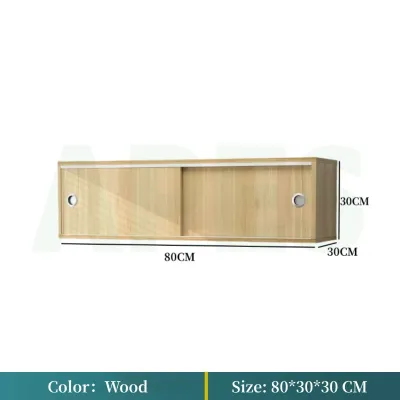
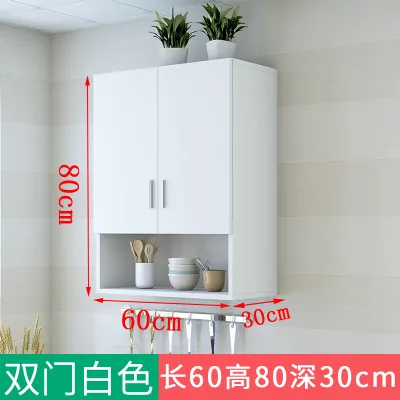
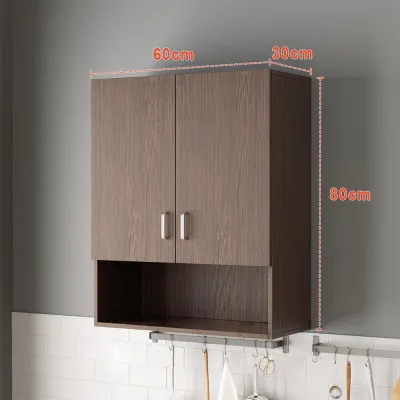
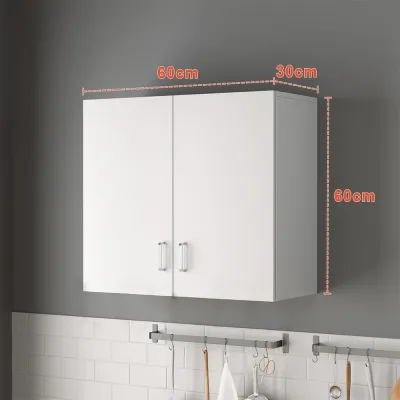
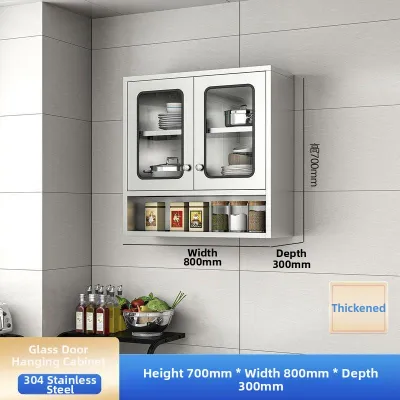
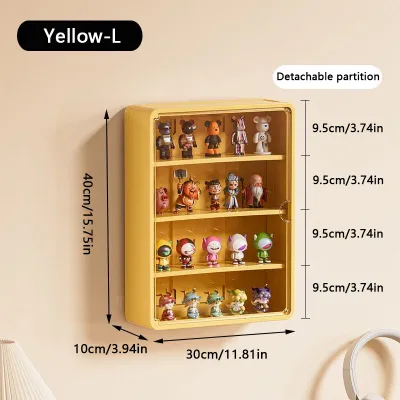
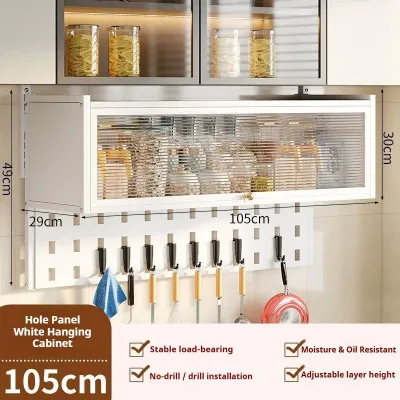
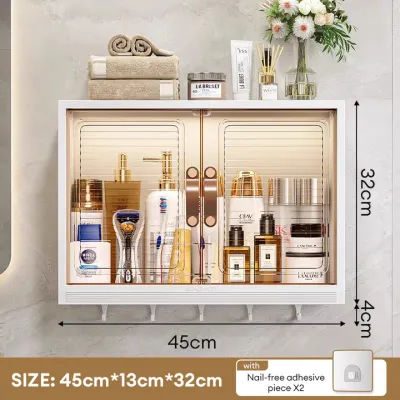
Prices are valid at publication and may change. Please refer to the product page for the latest price.
Physical obstacles often limit where you can mount cabinetry, so you must map out these constraints carefully. Look for windows, door frames, range hoods, light fixtures, and exposed plumbing or gas lines. Installing a cabinet too close to a window can block natural light, while placing it too near a range hood might restrict ventilation or expose the cabinet sides to excessive heat and grease.
Walkway clearance is another vital consideration in compact Philippine kitchens, where multiple family members might share the space. Measure the width of your kitchen aisle to ensure that cabinet doors can swing fully open without blocking traffic or hitting opposite walls. You must also verify that open cabinet doors will not collide with major appliances, such as refrigerator doors or microwave ovens, when both are in use simultaneously.
Space-Saving Features to Look For
When space is tight, the way a cabinet door opens can make a significant difference in your kitchen’s daily usability. Standard side-hinged doors require a clear swing radius, which can feel restrictive in narrow galley kitchens. To optimize accessibility, consider alternative door styles such as lift-up doors that swing upward and out of the way, or sliding doors that glide parallel to the cabinet frame. These designs allow you to keep cabinets open while cooking without creating physical hazards at head level.

Cabinet depth is another crucial factor that directly impacts both storage capacity and user comfort. Standard wall cabinets typically range from 30 to 35 centimeters in depth. Choosing a cabinet within this range prevents you from bumping your head while prepping ingredients on the countertop below. It also ensures that the unit does not cast deep shadows over your workspace, keeping the countertop bright and usable.
To truly maximize the vertical interior of your mounted cabinet, look for smart internal organization features. Adjustable shelving is highly beneficial, allowing you to customize the shelf heights to fit tall condiment bottles, stacked plates, or small appliances. Additionally, incorporating pull-down shelves, tiered spice racks, or vertical dividers can help you utilize every cubic centimeter of interior space, preventing cluttered piles and making items at the very top easily reachable.
Evaluating Materials and Wall Mounting Safety
The tropical climate of the Philippines introduces high humidity and ambient moisture, which can severely affect furniture longevity. When shopping for a mounted cabinet, check the manufacturer’s specifications for moisture-resistant finishes, sealed edges, and rust-resistant hardware. Materials like marine plywood, high-density fiberboard with water-resistant coatings, or aluminum are excellent choices for resisting warping, swelling, and mold growth over time.
Securing your cabinet safely to the wall depends entirely on matching the mounting hardware to your specific wall type. Many Philippine homes feature solid concrete walls or hollow concrete blocks, which require heavy-duty masonry anchors and concrete screws for a secure hold. If you are installing cabinets on drywall partitions or light wood studs, you must locate the structural studs and use specialized toggle bolts or wood screws to prevent the cabinet from pulling away from the wall.
Before loading your cabinets with heavy ceramic plates, glass jars, or small appliances, always review the manufacturer’s stated weight capacity. This limit includes both the weight of the cabinet itself and the items stored inside. To ensure long-term stability, distribute the weight evenly across all shelves, placing heavier items on the bottom shelf and lighter, less frequently used items near the top.
Common Sizing and Placement Mistakes to Avoid
One of the most frequent errors in kitchen planning is mounting wall cabinets too low. When cabinets are positioned too close to the countertop, they restrict your vertical workspace, block your sightlines, and make the entire kitchen feel dark and claustrophobic. Ideally, there should be a clearance of at least 45 to 60 centimeters between the top of the countertop and the bottom of the wall cabinets to allow for comfortable food preparation.
Overloading wall units beyond their structural limits is a dangerous mistake that can lead to catastrophic failure. Even if a cabinet is made of high-quality materials, using inadequate mounting screws or failing to anchor the unit into solid wall structures can cause the cabinet to pull loose and fall. Regularly inspect the joints, brackets, and wall connections for any signs of sagging, gaps, or loose screws to catch potential issues early.
Ignoring the required clearance above cooking appliances is another hazard that can damage your cabinetry and compromise safety. Wall cabinets installed directly above a gas stove or induction cooktop must have sufficient clearance—typically at least 65 to 75 centimeters—to prevent heat damage, warping, and grease accumulation. Failing to maintain this distance can also restrict the proper installation and operation of a range hood, trapping steam and moisture against the cabinet’s underside.
Frequently Asked Questions (FAQ)
Can I install wall-mounted cabinets on any type of wall?
No, you cannot install wall-mounted cabinets on just any wall without considering its structural integrity. Solid concrete walls and hollow concrete blocks offer excellent load-bearing capacity but require masonry drill bits and heavy-duty expansion anchors. Drywall or plasterboard partitions are much weaker and cannot support the weight of a fully loaded cabinet unless you anchor the mounting brackets directly into the wooden or metal wall studs behind the panels. If you are unsure about your wall’s composition, structural strength, or the location of hidden electrical wiring and plumbing, it is highly recommended to consult a qualified local contractor or professional installer.
How do I clean and maintain the bottom edges of wall cabinets?
To maintain the bottom edges of your wall cabinets, wipe them down regularly with a soft, damp microfiber cloth and a mild, non-abrasive dish soap to remove grease and cooking residue. Because the undersides of these cabinets are constantly exposed to rising steam from cooking and moisture from the sink, you must dry them thoroughly with a clean towel immediately after wiping. Avoid using harsh chemical cleaners, abrasive scrubbing pads, or excessive water, as these can degrade protective finishes, peel away edge banding, and weaken adhesives. Periodically inspect the bottom edges and joints for early signs of swelling, peeling, or moisture damage so you can address them before structural issues occur.

Community discussion
Share your experience or ask a question. Comments are reviewed before publication.