
Matching the right Megabox size to your belongings is the key to a smooth, damage-free lipat bahay. For heavy, dense items like books and kitchenware, smaller containers (typically around 10 to 30 liters) prevent the box from becoming too heavy to lift and protect the plastic from cracking. Medium-sized boxes (ranging from 40 to 70 liters) offer the ideal balance of space and manageability for fragile glassware, small appliances, and electronics, allowing ample room for protective padding. Large and extra-large boxes (80 liters and above) are best reserved for lightweight, high-volume items such as folded clothes, pillows, blankets, and plush toys that fill the space without exceeding safe lifting weights.
Using plastic storage boxes instead of traditional cardboard is highly practical in the Philippines, where sudden tropical downpours and high humidity can easily compromise paper-based packaging. By selecting the correct container volume and structural design for each category of household goods, you protect your investments from moisture, dust, and physical impact during transit. This guide breaks down how to evaluate box specifications, distribute weight safely, and pack efficiently for your next move.
Evaluating Megabox Dimensions and Safe Weight Limits
Before purchasing or packing any plastic storage containers, it is essential to understand how to read the manufacturer labels and specifications. Most plastic boxes display their capacity in liters, which indicates the internal volume but does not directly translate to the weight the box can safely carry. To plan your packing strategy, you must measure the external dimensions—length, width, and height—to ensure the boxes will fit through your doorways, narrow hallways, and into the moving vehicle.
Products mentioned in this guide
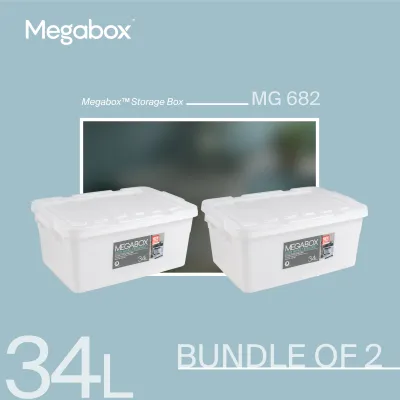
Prices are valid at publication and may change. Please refer to the product page for the latest price.
The structural integrity of a plastic box depends heavily on its material thickness and design features rather than volume alone. Look closely at the base and corners of the container for reinforced structural ribs, which distribute weight more evenly and prevent the plastic from bowing under pressure. A box with a flat, unreinforced bottom may sag when filled with heavy items, leading to cracks or lid failure when stacked.
Inspecting the physical features of each box before loading is a critical safety step for any move. Check that the locking latches or snap-on lids secure tightly to the rim, as loose lids can pop off during transport and expose your belongings to dust or moisture. Examine the handle attachments or molded grips to ensure they are smooth, deep enough for a secure handhold, and free of manufacturing defects that could cause them to snap under load.
Selecting Smaller Boxes for Heavy Items Like Books and Kitchenware
One of the most common moving mistakes is packing heavy, dense items into large plastic containers simply because they fit. Oversized boxes filled with books, hand tools, or cast-iron cookware quickly become impossibly heavy to lift, increasing the risk of personal injury and structural failure of the plastic. By restricting these dense items to smaller Megabox sizes, you ensure that each container remains manageable for a single person to carry safely.

When packing books, place them flat or spine-to-spine to prevent damage to the bindings, and distribute the weight evenly across the bottom of the box. Avoid leaving empty pockets of space, which can cause the contents to shift during transit and destabilize the container. If you have remaining space at the top of a small box, fill it with lightweight items like clean kitchen towels or crumpled packing paper to keep the contents secure without adding significant weight.
Before lifting a fully loaded small box, test the grip strength and handle ergonomics by lifting it slightly off the floor. If the plastic around the handles flexes excessively or if the grip hurts your hands, the box is overloaded and needs to be redistributed. Ensuring that each small box can be carried comfortably prevents accidental drops on steep staircases or wet driveways during the moving process.
Maximizing Large Boxes for Bulky Clothes and Bedding
Large and extra-large plastic containers are highly efficient when used for lightweight, voluminous household goods that take up significant space. Items such as folded blankets, bedsheets, pillows, winter coats, and curtains are ideal candidates for these spacious boxes. Assigning these bulky items to larger containers keeps your packing organized while keeping the overall weight of the box well within safe lifting limits.
To maximize the usable capacity of a large box, consider using vacuum storage bags or compression straps for your bedding and clothing before placing them inside. This technique removes excess air, allowing you to fit more items into a single container while keeping them clean and dry. When packing folded clothes directly into the box, place heavier fabrics like denim and canvas at the bottom, and layer lighter materials like cotton and silk on top.
Always verify that the lid of a large container snaps shut completely without forcing or putting undue stress on the plastic hinges. Overstuffing a large box can warp the side walls, preventing the lid from sealing properly and compromising the box’s ability to support another container stacked on top of it. If you must press down hard on the lid to lock it, remove a few items and transfer them to another box to maintain structural stability.
Sizing and Padding Boxes for Fragile Glassware and Electronics
Fragile items such as ceramic plates, wine glasses, picture frames, and small electronics require a dedicated packing strategy that prioritizes cushioning over volume. Medium-sized plastic boxes are generally the best choice for these delicate goods, as they provide enough space for protective wrapping without becoming too heavy to handle carefully. The rigid plastic walls of a Megabox offer excellent protection against external impacts, but internal movement must be completely eliminated.
Begin by lining the bottom of the medium box with a thick layer of bubble wrap, packing paper, or clean towels to act as a shock absorber. Wrap each fragile item individually, ensuring that delicate parts like glass stems or electronic screens have multiple layers of protection. Pack the items tightly together in the box, placing heavier pieces at the bottom and lighter, more delicate items on top, filling any remaining gaps with crumpled paper or foam peanuts.
Once the box is packed, perform a gentle shake test by lifting the container slightly and moving it side to side. If you hear or feel any shifting inside, open the lid and add more padding to the empty spaces until the contents are completely stationary. Clearly label these boxes as fragile on multiple sides using removable tape, and establish strict stacking rules so they are never placed underneath heavy boxes in the moving truck.
Avoiding Common Weight and Stacking Mistakes During the Move
A successful move relies on proper handling and stacking techniques to prevent damage to your belongings and the storage containers themselves. One frequent error is overfilling boxes past their designated fill lines, which prevents the lids from sitting flat. When lids are bowed upward, they cannot distribute the weight of stacked boxes correctly, leading to collapsed containers and broken items during transit.
Another critical mistake is carrying loaded plastic boxes by their lid rims or locking latches rather than supporting them from the base. While the handles are designed for lifting, carrying a very heavy box solely by its top edges can cause the plastic to tear or the lid to detach entirely. Always keep one hand underneath the bottom of the box when carrying it to provide extra support and ensure the load is distributed safely.
When loading the moving vehicle, apply a logical stacking system based on weight and density to maintain stability on the road. Place the heaviest, most compact boxes containing books and kitchenware at the very bottom to form a solid, unyielding foundation. Stack the medium-sized boxes with fragile items in the middle layers, and place the large, lightweight boxes containing bedding and clothes at the very top to prevent crushing.
Frequently Asked Questions (FAQ)
Can I use the same boxes for long-term storage after the move?
Yes, high-quality plastic boxes are excellent for transitioning from moving containers to long-term storage solutions in your home. However, you should check the manufacturer’s specifications to ensure the boxes offer adequate moisture resistance and pest deterrence, especially in humid tropical climates. If you plan to store the boxes in non-climate-controlled areas like garages, attics, or utility rooms, verify their temperature tolerance and keep them out of direct sunlight to prevent the plastic from becoming brittle over time.
How do I label plastic boxes effectively without leaving residue?
To keep your plastic boxes clean and reusable for future storage, avoid using permanent markers, duct tape, or heavy-duty packaging tape directly on the plastic surface. Instead, use high-quality painter’s tape or specially designed removable labels that peel off easily without leaving a sticky residue. Alternatively, you can write directly on the smooth plastic using dry-erase markers, or place a sheet of paper with your inventory list inside the box facing outward if the plastic is transparent.

Community discussion
Share your experience or ask a question. Comments are reviewed before publication.