
Selecting the right Megabox size for your lipat bahay journey depends entirely on the density of the items you are packing rather than their physical volume alone. A common mistake during a move is choosing container sizes based solely on what fits inside, which often leads to dangerously heavy boxes or cracked plastic. To ensure a smooth transition to your new home, the fundamental rule of packing is to place heavy, dense items in smaller boxes and reserve larger, high-capacity containers for lightweight, bulky goods. This simple strategy prevents the plastic from bowing under extreme stress, protects your belongings from crushing, and saves your back from severe strain during lifting and loading.
Before you begin packing, take a moment to assess the weight, shape, and fragility of each household category. High-density items like books, kitchenware, and tools exert concentrated downward pressure, which can easily split the seams or snap the handles of an oversized plastic container. Conversely, packing lightweight items like pillows or blankets into small boxes results in highly inefficient space utilization, requiring more trips to the moving vehicle. By matching the physical characteristics of your belongings to the structural limits of each box size, you create a stable, stackable system that can withstand the bumpy roads and humid conditions typical of a local move.
Which Box Sizes to Use for Common Household Items
Organizing your household goods into distinct categories based on weight and fragility is the most effective way to streamline your packing process. By grouping similar items together, you can systematically assign them to the most appropriate container sizes, ensuring that every cubic inch of space is used safely and efficiently.
Products mentioned in this guide
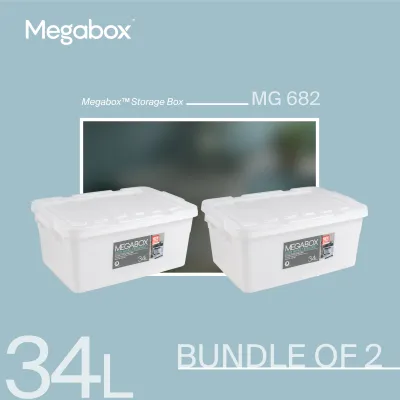
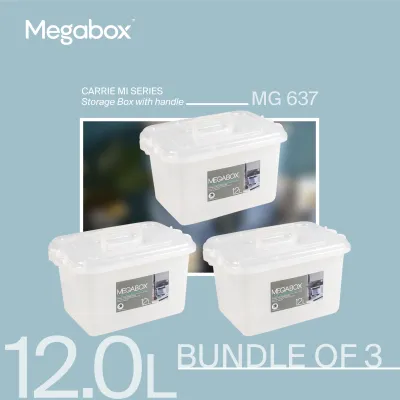
Prices are valid at publication and may change. Please refer to the product page for the latest price.
Heavy and Dense Items (Books, Tools, Kitchenware)
When packing high-density items such as heavy textbooks, kitchen pots, ceramic plates, and hand tools, you should strictly rely on smaller capacity plastic boxes. Smaller containers naturally limit the total weight you can pack inside, keeping the box at a manageable weight that a single person can lift safely without risking injury or dropping the container. Before loading these items, turn the box over to check the manufacturer’s molded markings or product label for the maximum load capacity, as exceeding this limit can cause the plastic base to bow or crack during transit.
To maintain the structural integrity of the box, always distribute the weight evenly across the bottom surface rather than stacking heavy items on one side. Place the heaviest items, such as cast-iron pans or thick reference books, flat at the very bottom, and fill any remaining small gaps with lighter packing paper or bubble wrap. This even distribution prevents localized stress points on the plastic base, ensuring the container remains stable when lifted and does not warp or split open while being carried down narrow stairwells or loaded onto a moving truck.
Bulky and Light Items (Clothes, Linens, Pillows)
For low-density, bulky items like bedsheets, thick blankets, pillows, winter jackets, and towels, larger capacity plastic boxes are the ideal choice. These items take up a significant amount of physical space but add very little weight, allowing you to utilize the full volume of a large container without making it too heavy to carry. Using large boxes for these items keeps your move organized, as it consolidates soft goods that would otherwise require dozens of smaller containers.
To maximize the interior space of these large containers, consider using space-saving techniques such as rolling your clothes tightly or utilizing vacuum-seal storage bags before placing them inside. This not only allows you to pack more items into a single box but also provides an extra layer of protection against tropical humidity and dust during transit. Always ensure that the contents do not protrude past the top rim of the container; the lid must be able to close completely flat and snap securely into its locking mechanisms without requiring force, which prevents the plastic latches from failing under pressure.
Fragile and Awkward Items (Electronics, Decor, Lamps)
Fragile and irregularly shaped items, such as small household electronics, decorative ceramic vases, and table lamps, require a careful balance of container size and protective cushioning. For these delicate goods, select medium-sized boxes that offer enough clearance around the items to accommodate thick layers of bubble wrap, packing paper, or foam peanuts. Choosing a box that is too large is a common hazard, as it leaves excessive empty space that allows fragile items to shift, slide, and collide with one another when the moving vehicle encounters bumps or sudden stops.
When packing glassware, porcelain cups, or delicate kitchen ornaments, use specialized cardboard dividers or wrap each piece individually before placing them snugly inside a medium-sized plastic box. The rigid walls of a quality plastic container offer excellent external impact protection, but the interior must remain completely immobile. Fill any remaining voids with crumpled paper or clean towels until there is absolutely no movement when you gently shake the closed box, ensuring your fragile valuables arrive at your new home intact.
How to Check Box Dimensions and Weight Limits Before Packing
Before you begin loading your belongings, it is crucial to verify the physical specifications and safety limits of the plastic boxes you plan to use. Start by inspecting the exterior of the box, looking closely at the manufacturer’s label or the molded text typically found on the underside of the base or lid. These markings often provide the exact external and internal dimensions, as well as the liquid volume capacity in liters, which helps you calculate how much space you have available for your items.

In addition to dimensions, check for any indicators of maximum load capacity and stackability limits, which dictate how many fully loaded boxes can be safely piled on top of one another. If you are using older boxes or containers that lack clear weight limit markings, perform a manual check by gently pressing on the center of the empty lid and base to assess the plastic’s thickness and flexibility. If the plastic feels thin or bends easily under light hand pressure, treat it as a light-duty container and avoid using it for heavy items or placing it at the bottom of a stack.
Finally, take physical measurements of the boxes and compare them to the actual spaces they must navigate during your move. Measure the width of your doorways, the interior dimensions of your residential elevator, and the cargo area of your moving vehicle or pickup truck. Knowing these measurements beforehand allows you to plan exactly how the boxes will be arranged, preventing frustrating delays on moving day when a box turns out to be too wide to fit through a narrow hallway or lift door.
Packing and Stacking Strategies for a Safe Move
Securing your packed containers properly is the final step to ensuring a damage-free move. Once a box is packed, press the lid down firmly until you hear the side latches click into place, confirming a secure seal. For added security during a bumpy transit, especially if you are transporting goods in an open-air vehicle exposed to sudden tropical downpours, wrap heavy-duty packing tape or adjustable luggage straps around the entire circumference of the box to keep the lid firmly locked.
When loading the moving vehicle, always stack your boxes systematically by placing the heaviest, smallest containers at the very bottom of the pile to establish a low, stable center of gravity. Stack the lighter, larger boxes containing linens and pillows on top, ensuring that the corners of the boxes align perfectly, as the vertical corners carry the majority of the structural load. To prevent the lids of the bottom boxes from cracking under the weight, leave a small gap of about one to two inches at the top of each box when packing, allowing the lid to flex slightly without pressing directly down onto the rigid items inside.
Once the stacks are arranged inside the vehicle, secure them using tie-down straps or ropes to prevent the containers from sliding or tipping over during sharp turns. Placing non-slip mats or sheets of cardboard between the stacks can also minimize friction and absorb road vibrations, keeping your plastic boxes secure and intact throughout the entire journey.
Frequently Asked Questions (FAQ)
Can I use the same Megabox size for all my belongings?
Using a single, uniform box size for all your household items is highly impractical and poses significant safety risks during a move. If you pack heavy items like books or kitchenware into large-capacity boxes, the total weight will quickly exceed safe lifting limits, potentially causing the plastic handles to snap or the base to fail entirely. Conversely, using small boxes for bulky items like blankets or pillows is highly inefficient, resulting in wasted space and requiring an excessive number of individual containers to transport your goods.
How do I prevent plastic boxes from cracking when stacked?
To prevent plastic boxes from cracking under pressure, always respect the manufacturer’s stackability guidelines and avoid building stacks that are excessively high or top-heavy. Ensure that all lids are fully seated and flat, as overfilled boxes cause the lids to bow upward, transferring the weight of the upper boxes directly onto the contents rather than the supportive outer rim. Always place the heaviest boxes at the base of the stack, align the corners of the containers precisely to maximize structural support, and avoid stacking boxes of wildly different dimensions on top of one another.

Community discussion
Share your experience or ask a question. Comments are reviewed before publication.