
Choosing the right Megabox storage box sizes for a lipat-bahay move is the secret to a smooth, organized transition. When preparing to relocate, many households make the mistake of buying identical containers, only to find them too heavy to lift or too small for bulky bedding.
To pack efficiently, you must match the box size to the weight and density of your belongings. Use small-capacity boxes for heavy items like books and canned goods, medium-sized boxes for fragile kitchenware and electronics, and large or extra-large boxes for lightweight, bulky items like clothes, pillows, and blankets.
This strategic approach prevents physical strain, protects your belongings from tropical humidity and dust, and optimizes space in the moving vehicle. By selecting the correct dimensions, you ensure that every container remains structurally sound throughout the journey to your new home.
Products mentioned in this guide
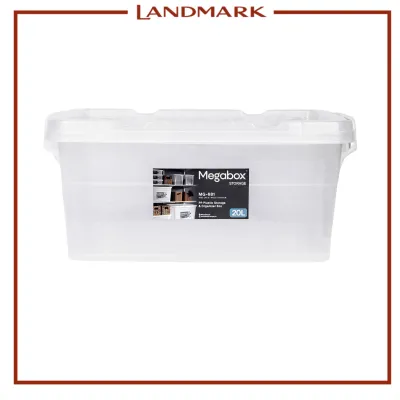
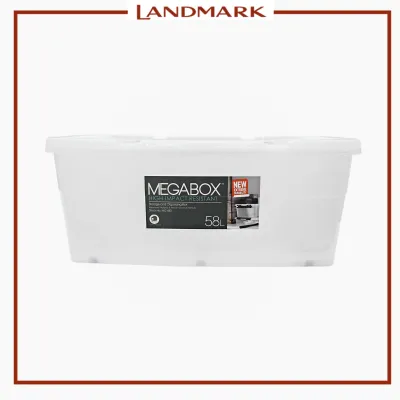
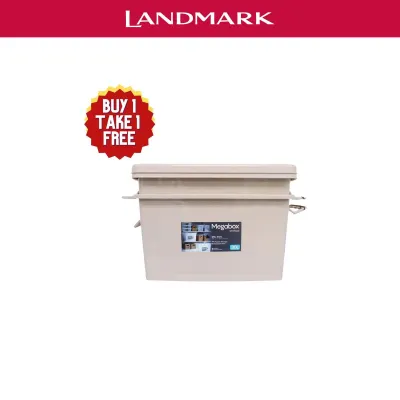
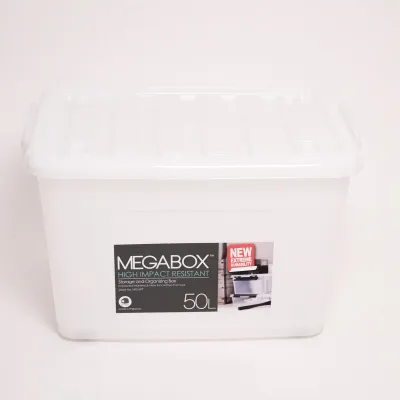
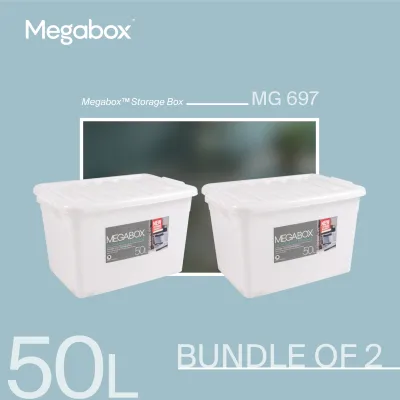
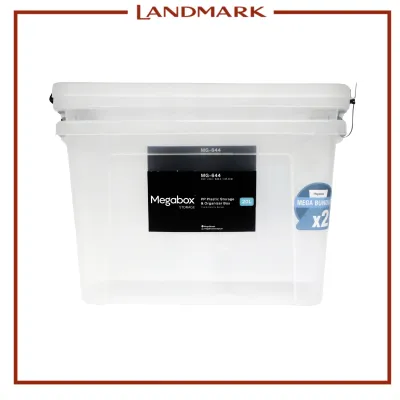
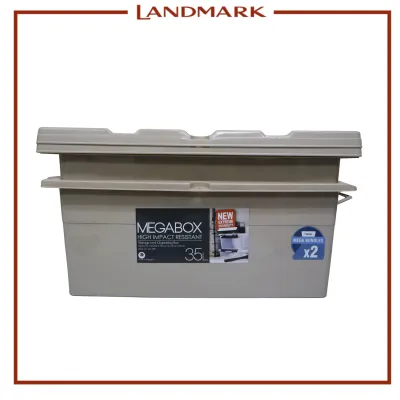
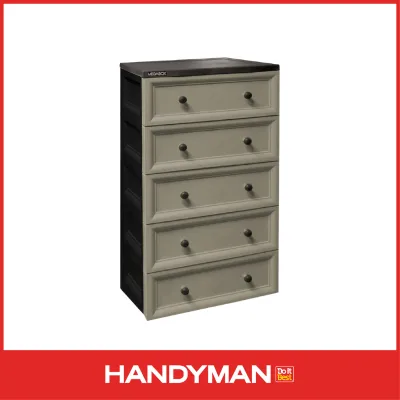
Prices are valid at publication and may change. Please refer to the product page for the latest price.
Quick Strategy: Matching Box Size to Item Weight and Volume
The fundamental physics of moving dictate that weight and volume must always exist in a careful balance. A common packing pitfall is assuming that a larger box is inherently better because it holds more items. In reality, filling a massive container with dense objects makes it virtually impossible to carry safely.
The golden rule of moving is simple: use smaller boxes for heavy items and larger boxes for light, bulky items. This distribution keeps the weight of each individual container manageable, reducing the risk of injury to yourself or your moving crew. It also prevents the plastic from warping or cracking under excessive stress.
Before you begin packing, check the manufacturer’s weight limits and volume specifications. These details are typically printed on the product label or molded directly into the plastic on the underside of the box. Verifying these specifications ensures you do not exceed the structural limits of the container.
Always perform a quick lift test as you pack. If a partially filled box already feels too heavy to lift comfortably, stop immediately. Redistribute the heavy items into smaller containers and fill the remaining space in the original box with lighter materials like packing paper or bubble wrap.
How to Match Megabox Sizes to Your Household Items
Heavy and Dense Items (Books, Tools, Canned Goods)
Dense household items accumulate weight much faster than most people realize. A stack of textbooks, a collection of hand tools, or a batch of canned pantry goods can easily overload a standard container. For these items, small-capacity boxes are absolutely essential.

Using small boxes prevents bottom blowouts, a common moving disaster where the base of the container fails under pressure. It also ensures that the handles do not tear or snap when the box is lifted. Keeping the volume small naturally limits the total weight of the packed container.
Before packing, inspect the physical characteristics of your chosen box. Check for a reinforced base with molded grid patterns, thick plastic walls, and sturdy handle cutouts. These structural features indicate that the container is designed to handle heavier, denser loads without flexing.
When packing, always leave a small margin of empty space at the top of the box. This gap allows the lid to snap shut and lock securely without pressing against the contents. If the items inside push upward against the lid, it compromises the structural integrity of the box when stacked.
Bulky and Light Items (Clothes, Linens, Pillows)
Lightweight, voluminous items present the opposite challenge during a move. Bedding, winter wear, towels, pillows, and soft toys take up a massive amount of physical space but add very little weight. For these belongings, large or extra-large storage boxes are the ideal choice.
Utilizing large containers allows you to consolidate these bulky items efficiently, reducing the total number of boxes you need to load and unload. This makes the moving process much faster and helps you keep track of your soft goods more easily.
However, even light boxes must be stacked in the moving vehicle. Check if the specific Megabox model you are using supports secure stacking. Look for lids with deep recessed channels that match the footprint of the box base, preventing the stacked containers from shifting during transit.
To maximize space in a tropical climate, consider using vacuum compression bags inside your large boxes. Compressing your clothes and linens reduces their volume significantly, allowing you to fit more items into a single box while protecting them from moisture and dust.
Fragile and Irregular Items (Kitchenware, Decor, Electronics)
Fragile and oddly shaped items require a delicate balance of space and protection. Items like ceramic plates, glassware, decorative vases, and small kitchen appliances are highly susceptible to damage from road vibrations and shifting loads.
For these items, medium-sized boxes are the most practical choice. They provide enough room to wrap each item in protective cushioning while keeping the overall weight light enough to handle carefully. A medium box also prevents you from packing too many fragile items together, which increases the risk of internal collisions.
Before packing, verify the internal dimensions of the box rather than relying on the external measurements. Ensure there is enough clearance for tall or wide items to sit comfortably without touching the plastic walls directly. You need to leave a buffer zone for wrapping materials.
A secure, interlocking lid design is crucial for fragile items. During transit, dust, humidity, and road debris can easily find their way into loosely sealed containers. A tight, latching lid keeps the interior clean and dry, ensuring your kitchenware and electronics arrive in pristine condition.
Pre-Packing Checks: Verifying Dimensions and Structural Limits
A successful move relies on precise preparation, which begins with verifying your boxes before they are loaded. One of the most common errors is assuming that the advertised external dimensions represent the actual usable space inside the container.
Because plastic storage boxes are often tapered to allow for nesting when empty, the bottom of the box is narrower than the top. Always measure the internal usable space to ensure your items will fit. This is especially important for rigid items like framed pictures or electronics that cannot bend.
Next, check the stacking weight limit indicated by the manufacturer. When loading a moving truck, L300 van, or utility vehicle, boxes are stacked on top of one another to maximize vertical space. Place the heaviest, sturdiest boxes at the bottom of the stack and the lightest ones on top.
Finally, ensure that your fully packed boxes can navigate the physical path of your move. Measure your doorways, narrow hallways, stairwells, and the entry points of your transport vehicle. A box that is too wide to fit through a doorway or too heavy to carry down a flight of stairs will cause major delays on moving day.
Common Sizing and Packing Mistakes to Avoid
Avoiding common packing mistakes can save you from damaged belongings, broken containers, and physical injuries. The most frequent error is overfilling large boxes with heavy items, which makes them dangerous to lift and highly prone to structural failure.
Another mistake is ignoring the manufacturer’s stated maximum load capacity. Many people rely on visual estimates, assuming a plastic box can hold whatever fits inside. Always check the weight limits to prevent the plastic from cracking when the vehicle encounters potholes or sudden stops.
Lastly, never fail to leave adequate space for cushioning materials. Packing fragile items tightly against the hard plastic walls without bubble wrap or packing paper transmits road vibrations directly to the items. Always leave a buffer zone to absorb shocks during transit.
Frequently Asked Questions (FAQ)
Can I use the same Megabox size for both long-term storage and moving?
Yes, you can use the same sizes, but the structural requirements differ. For moving, prioritize boxes with heavy-duty latching lids that lock the lid securely to the base, preventing accidental spills during transit. For long-term storage in a closet or under a bed, standard snap-on lids may suffice, but you must still check if the box material and seals are rated to withstand the high humidity and temperature fluctuations common in tropical environments.
How do I label different sized boxes efficiently for unpacking?
Use a clear, systematic labeling method. Apply color-coded stickers or write directly on masking tape stuck to the box. Assign a specific color to each room (e.g., blue for the kitchen, green for the bedroom). Write the destination room and a brief list of contents on at least two sides of the box, so the labels remain visible even when the boxes are stacked high in the moving truck or your new home.

Community discussion
Share your experience or ask a question. Comments are reviewed before publication.