
Selecting the right material for a customized foam mattress in a tropical climate requires balancing support with temperature regulation. In hot and humid weather, natural latex foam generally stays cooler than traditional memory foam. This temperature advantage comes from the open-cell structure of latex and the physical ventilation holes created during its manufacturing process.
Traditional memory foam is notorious for trapping body heat because it relies on your warmth to contour to your body shape. However, modern customized mattress configurations can offset this heat retention. By incorporating open-cell designs, gel infusions, or specialized phase-change covers, customized memory foam can perform much better in warm environments than standard options.
Ultimately, the cooling performance of your bed does not depend on the base material alone. The overall mattress configuration, the breathability of the outer cover, and your bedroom’s ventilation play equally critical roles. When designing a customized mattress, understanding how these materials interact with tropical heat and humidity will help you build a sleep surface that remains comfortable all night.
Products mentioned in this guide

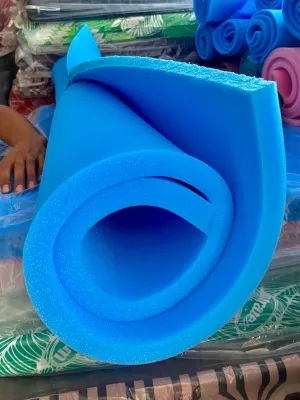




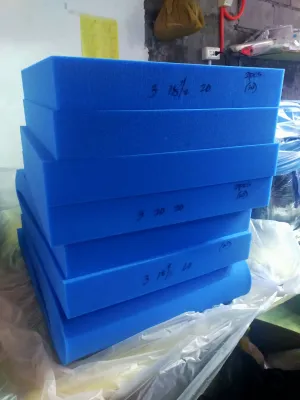
Prices are valid at publication and may change. Please refer to the product page for the latest price.
Understanding Heat Retention in Foam Materials
Foam materials retain heat primarily due to their internal cellular structure. Standard polyurethane and traditional memory foams consist of millions of tiny, closed cells that restrict air movement. When you lie on these materials, your body heat warms the air trapped inside these microscopic pockets, creating a warm microclimate directly beneath you.
Density plays a major role in how much heat a foam layer retains. High-density foams offer excellent contouring and durability, but their tightly packed structure leaves very little room for air to circulate. As a result, the heavier and more supportive the foam layer, the more likely it is to act as an insulator, trapping your body heat throughout the night.
In tropical regions, high ambient humidity compounds this heat-trapping effect. When the air is saturated with moisture, your body’s natural cooling mechanism—sweat evaporation—slows down. If your mattress cannot wick away this moisture or allow air to flow freely, the humidity becomes trapped against your skin, making the bed feel sticky and significantly warmer than it actually is.
Latex Foam: Structure, Airflow, and Humidity Resistance
Natural latex foam is highly regarded for its inherent breathability, which stems directly from how it is manufactured. During the production process, the liquid latex is poured into molds containing metal pins. These pins conduct heat to cure the foam, leaving behind a permanent grid of vertical channels known as a pin-core structure. This design allows air to flow freely through the mattress whenever you move.

The two primary manufacturing methods for latex foam, Dunlop and Talalay, result in slightly different cell structures. The Dunlop process typically produces a denser, more solid foam that is highly supportive. The Talalay process includes a vacuum step that creates a highly consistent, open-cell structure with greater airflow. When ordering a customized mattress, you should verify the specific cell structure and processing method with the manufacturer to match your firmness and cooling preferences.
Beyond airflow, latex foam possesses natural resistance to moisture and mold, which is a vital benefit in humid tropical climates. Because natural latex does not absorb moisture as easily as synthetic fibers or dense polyurethane foams, it resists the dampness that often leads to musty odors and allergen buildup. This resistance helps maintain a hygienic, fresh sleeping surface even during the wet season.
Memory Foam: Density, Cooling Treatments, and Limitations
Traditional memory foam, or viscoelastic foam, is designed to soften in response to body heat and pressure. While this characteristic provides exceptional pressure relief and motion isolation, it inherently leads to heat retention. As the foam absorbs your body heat to contour to your shape, it creates a warm cradle that can make sleeping uncomfortable in tropical weather.
To address this issue, manufacturers of customized mattresses offer various cooling modifications. You can look for gel-infused memory foam, which uses gel beads or layers to temporarily absorb and dissipate initial body heat. Other options include infusions of conductive materials like copper or graphite, as well as open-cell formulations designed to allow more air passage than traditional viscoelastic structures.
However, it is important to understand the limitations of these surface-level cooling treatments. Gel infusions can help the mattress feel cool to the touch initially, but they eventually reach thermal equilibrium with your body heat over several hours. Additionally, as memory foam warms up, it softens and allows you to sink deeper into the mattress, which increases the surface area of foam in direct contact with your body and can restrict air circulation further.
Comparing Cooling Performance and Tropical Durability
When designing a customized foam mattress for a hot, humid climate, comparing the physical properties of latex and memory foam helps clarify which material fits your environment. The table below outlines how these two materials compare across key performance areas.
| Performance Dimension | Latex Foam | Memory Foam |
|---|---|---|
| Inherent Airflow | High; supported by open-cell structure and pin-core ventilation channels. | Low to Moderate; relies on specialized open-cell formulations or cooling infusions. |
| Moisture Management | High; naturally resists moisture absorption and dries quickly. | Moderate; requires moisture-wicking covers to prevent humidity buildup. |
| Heat Dissipation Technology | Structural; relies on physical air channels and material elasticity. | Additive-based; utilizes gel, copper, or graphite infusions to manage heat. |
| Long-Term Humidity Durability | High; resists degradation, mold, and softening caused by high humidity. | Moderate; high humidity and sweat can accelerate the softening of polyurethane bonds. |
While the core foam material is crucial, the outer cover of your customized mattress heavily influences the surface temperature. You should check manufacturer specifications to ensure the cover is made from highly breathable, moisture-wicking fabrics such as organic cotton, bamboo-derived viscose, or specialized phase-change materials. A heavy, tightly woven polyester cover can block the airflow of even the most breathable latex core.
Firmness levels also play a significant role in temperature regulation. Softer mattresses allow your body to sink deeper into the comfort layers, wrapping the foam around your sides and trapping heat. Selecting a medium-firm or firm customized configuration keeps your body positioned on top of the mattress, maximizing the surface area exposed to ambient air and room ventilation.
Configuring Your Customized Mattress for Maximum Cooling
Designing a customized mattress allows you to select and layer components specifically to optimize temperature regulation. To prevent heat buildup, you should prioritize thin, breathable, and moisture-wicking covers. Avoid thick, heavily quilted tops filled with synthetic polyester batting, as these layers act as immediate heat barriers right beneath your body.
When choosing the internal layers, a smart configuration involves using a highly breathable comfort layer on top of a supportive base. For example, placing a two-inch layer of open-cell latex or highly ventilated gel memory foam on top of a high-density support core provides both pressure relief and a clear path for heat dissipation. This prevents your body from sinking into the denser, warmer support layers below.
The foundation supporting your customized mattress is just as important as the foam layers themselves. Placing your mattress on a slatted bed frame rather than a solid platform allows air to circulate underneath the bed. This underside ventilation is essential in tropical climates to prevent heat from becoming trapped in the lower layers and to stop moisture from condensing, which can lead to mold growth.
Before finalizing your order, always verify the exact thickness, density, and material specifications of each customized layer with the manufacturer. Ask for detailed information about the foam’s cell structure and any cooling technologies included. This verification ensures that the final product matches your expectations for both support and temperature control.
Decision Framework: Which Foam Fits Your Sleep Profile?
Choosing between latex and memory foam for your customized mattress depends on your personal comfort preferences and how you manage your sleeping environment.
Choose Latex if:
- You prefer a responsive, bouncy feel that allows you to move easily without feeling stuck.
- You want natural breathability and moisture resistance without relying on chemical cooling additives.
- You live in a highly humid area and want a material that naturally resists mold and dust mites.
Choose Memory Foam if:
- You require deep contouring, pressure relief for sensitive joints, and excellent motion isolation.
- You are willing to invest in premium, open-cell, or gel-infused variants to manage heat retention.
- You plan to use a breathable, specialized cooling cover to offset the material's natural tendency to trap warmth.
Verify First if:
- You are considering a hybrid customized build that combines foam comfort layers with a pocket spring base. In this case, ensure the coil system is designed to provide adequate cross-ventilation to help flush heat out of the upper foam layers.
Frequently Asked Questions (FAQ)
Does a cooling mattress topper actually lower the temperature of a memory foam bed?
A cooling mattress topper can improve the immediate surface feel of a warm memory foam bed by providing a temporary barrier and wicking away initial moisture. However, a topper cannot alter the underlying heat-trapping properties of a dense memory foam core. If you use a topper, ensure it is made of highly breathable materials like open-cell latex or ventilated gel foam, and verify that it does not block the existing airflow channels of your mattress.
How does room humidity affect the feel and temperature of a foam mattress?
High ambient humidity can cause memory foam to absorb moisture from the air, making it feel softer and more compliant than intended. This extra softness causes you to sink deeper into the mattress, increasing the surface contact with your body and trapping more heat. To maintain the intended firmness and breathability of your customized foam mattress, try to maintain good indoor airflow using fans, or use a dehumidifier in your bedroom during the wet season.

Community discussion
Share your experience or ask a question. Comments are reviewed before publication.