
Quick Answer: Which Foam Topper Sleeps Cooler?
When sleeping in a tropical climate, choosing between a memory foam and a latex foam topper is rarely a matter of finding a single, universally cooler material. Instead, temperature regulation depends heavily on specific product engineering, such as open-cell structures and aeration. Natural latex generally offers better inherent breathability due to its open-cell structure, which allows air to flow more freely through the material. Traditional memory foam, on the other hand, tends to trap heat because of its dense, body-conforming nature, unless it has been specifically modified with cooling technologies. Ultimately, the cooler sleep experience will depend on the specific cooling features integrated into the topper and the ambient environment of your bedroom.
How Memory Foam and Latex Manage Heat
To understand why these materials behave differently under tropical conditions, it is essential to look at their physical structures. Memory foam is a viscoelastic material known for its dense, closely conforming properties. When you lie on it, the foam reacts to your body heat and weight, softening to contour precisely to your shape. While this provides excellent pressure relief, it also creates a deep cradle that wraps around your body. This close contact restricts airflow around your skin and traps body heat within the dense foam structure. To mitigate this inherent heat retention, manufacturers often introduce gel infusions, copper particles, or open-cell formulations designed to facilitate heat transfer.

In contrast, latex foam is highly elastic and naturally resilient. Whether derived from natural rubber sap or synthetic blends, latex is manufactured using processes that create a highly porous, open-cell matrix. This structure does not rely on body heat to contour; instead, it compresses under weight and instantly springs back. Because it does not wrap closely around the sleeper, more of your skin remains exposed to ambient air. Furthermore, the open-cell design acts like a network of tiny air pockets, allowing heat to escape rather than building up directly beneath your body.
Products mentioned in this guide
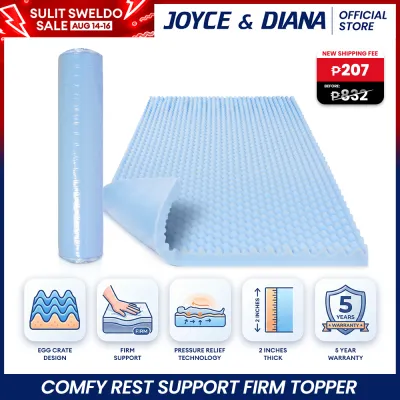
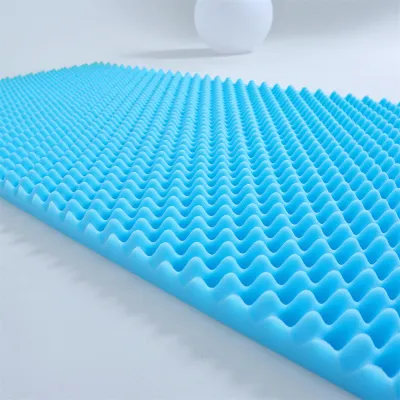
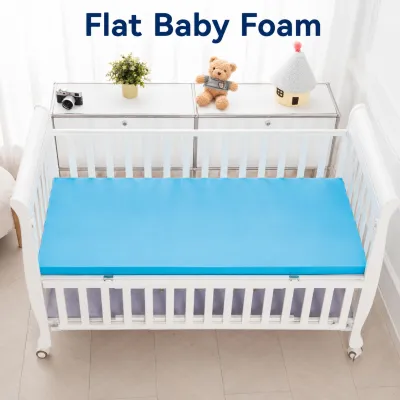
Prices are valid at publication and may change. Please refer to the product page for the latest price.
However, simply knowing the material name is not enough to guarantee a cool night’s sleep. A material name alone does not prove weather, moisture, or durability performance. Readers must verify the specific manufacturing process, structural design, and surface treatments of the exact product they are considering. A poorly ventilated latex topper can still feel warm, while a highly engineered, aerated memory foam topper with advanced cooling channels might perform surprisingly well. Always look beyond the generic material label to inspect the physical design of the topper and check the manufacturer’s care instructions to see how it handles humid environments.
Key Comparison Dimensions for Hot Sleepers
When evaluating a foam topper for temperature regulation in a warm climate, several key dimensions deserve close inspection. The first is airflow and breathability. Inherent structural breathability is often enhanced by engineered cooling channels, pin-core holes, or convoluted surfaces. Pin-core holes, which are standard in many latex toppers, are vertical channels created during the molding process that allow warm air to escape downward and outward. Convoluted surfaces on memory foam toppers create air gaps between the topper and your bed sheet, reducing the surface area in direct contact with your body.
Material density is another critical factor that directly influences heat retention. Higher density foams contain more material per cubic foot, leaving less space for air to circulate. While high-density memory foam offers superior durability and contouring, it also retains heat more intensely than lower-density alternatives. Conversely, lower-density foams or highly aerated structures allow for better ventilation, though they may wear down more quickly over time. Hot sleepers must balance the desire for long-lasting support with the practical need for a breathable, lower-density structure.
Cooling infusions and treatments are frequently marketed as solutions to heat retention, but they have distinct physical limitations. Infusions of gel, copper, graphite, or phase-change materials work by drawing heat away from your body through conduction. However, these materials have a specific thermal capacity. Once the infusion reaches thermal equilibrium with your body temperature, the cooling effect diminishes, and the foam may begin to retain heat. These treatments are most effective at helping you fall asleep initially rather than keeping you cold throughout a long, humid night.
Finally, the topper’s outer cover plays a vital role in overall moisture wicking and breathability. Even the most breathable foam will feel hot if encased in a synthetic, non-breathable cover. Look for covers made from natural fibers like organic cotton or bamboo-derived viscose, which naturally wick sweat away from the skin and allow air to reach the foam beneath. Some modern toppers feature specialized cooling fabrics engineered to feel cool to the touch, which can provide an immediate sensation of relief when you first lie down.
Evaluating Your Sleep Environment in the Philippines
Choosing the right foam topper requires a realistic assessment of your local sleep environment. The Philippines experiences high relative humidity and consistently warm temperatures throughout the year. High humidity slows down the evaporation of sweat from your skin, which is the body’s primary method of cooling itself. When humidity is high, a mattress topper that traps moisture can quickly feel damp and clammy. This makes moisture-wicking cover materials and highly breathable foam structures particularly important for maintaining comfort.
Your bedroom’s cooling setup also dictates how well a topper will perform. If you sleep in an air-conditioned room, a memory foam topper with gel infusions can perform exceptionally well, as the ambient air helps cool the gel back down. However, if you rely primarily on ceiling fans, wall fans, or natural cross-ventilation, the ambient room temperature will remain higher. In these non-air-conditioned environments, a highly breathable latex topper with pin-core ventilation is generally more reliable, as it does not depend on cold ambient air to release trapped heat.
Your personal sleep profile should also guide your decision. If you are a naturally hot sleeper or experience night sweats, you will require maximum ventilation and moisture management. Additionally, sleepers who tend to move around or sleep close to the edge of the bed should consider how the topper handles compression. A topper that compresses too deeply at the edges can restrict air movement around the sides of the bed, further trapping warm air in the center of the sleeping surface.
Decision Framework: Which Topper Should You Choose?
To make an informed decision, you can use a structured framework based on your specific sleep preferences and bedroom conditions.
- Choose a latex foam topper if: You prioritize natural breathability, responsive bounce, and a material that inherently resists heat buildup. Latex is ideal for those who sleep in rooms without consistent air conditioning, as its open-cell structure and pin-core holes allow for continuous passive ventilation. It is also the better option if you dislike the sinking feeling of memory foam and prefer to sleep on top of the bed rather than in it.
- Choose a memory foam topper if: You require deep pressure relief for your joints, appreciate a contouring, body-hugging sensation, and are willing to manage your bedroom temperature. If you select memory foam, prioritize models engineered with open-cell structures, cooling gel infusions, or convoluted designs. This choice is best suited for air-conditioned bedrooms where the ambient temperature can assist the foam's cooling technologies.
- Verify first if: You are uncertain about the specific cooling technologies used, the exact density of the foam, or the breathability of the cover material. Do not assume a topper will sleep cool simply because it is labeled cooling. Check the manufacturer's specifications for physical ventilation features, such as air channels or breathable cover fabrics, before making your purchase.
What to Check Before Buying a Foam Topper Online
Purchasing a foam topper from an e-commerce platform or brand website requires careful verification of physical specifications. First, verify the exact finished dimensions of the topper—including length, width, and thickness—to ensure it matches your current mattress. An ill-fitting topper can overhang the edges of your bed frame, leading to instability, slipping, and premature wear on the foam. Additionally, consider the thickness: a thicker topper (such as 3 inches or more) will contour more deeply, which can increase heat retention compared to a thinner 1-inch or 2-inch model. Make sure to check your doorway or lift access as well, as bulky packages can be difficult to maneuver through tight spaces.
Next, inspect the product label or technical specifications rather than relying on promotional keywords. Look for specific details regarding foam density and safety certifications. High-quality manufacturers will openly provide these details. Avoid products that make vague claims of instant cooling without explaining the physical mechanism, such as ventilation holes or open-cell construction, that makes the cooling possible.
Finally, carefully review the return policy, trial period, and warranty terms. Foam toppers are typically shipped compressed and vacuum-sealed in compact boxes. Once opened, they expand to their full size and cannot easily be repacked into their original packaging. Returning an expanded foam topper can be incredibly difficult and expensive, with return shipping fees sometimes costing upwards of ₱1,000 or more. Ensure you understand who covers the return shipping costs and whether the seller offers a risk-free trial period before finalizing your order.
Frequently Asked Questions (FAQ)
Does a cooling gel memory foam topper actually stay cool all night?
Cooling gel memory foam toppers do not remain cold indefinitely. The gel works by absorbing heat from your body when you first lie down, providing a temporary cooling sensation. However, as you sleep, the gel eventually reaches thermal equilibrium with your body temperature. Once this saturation point is reached, the foam’s ability to draw heat away decreases. In a warm, unventilated room, the topper may eventually begin to trap heat. To maximize the effectiveness of gel memory foam, it should be used in a room with active air circulation or air conditioning.
Can I use a regular bed sheet with a cooling foam topper?
You can use regular bed sheets, but the material of those sheets will significantly impact the topper’s cooling performance. Synthetic sheets, such as those made from polyester or microfiber, tend to trap heat and moisture, effectively blocking the airflow from an engineered cooling topper. To ensure the topper’s ventilation features work as intended, pair it with highly breathable, moisture-wicking sheets made from natural fibers. Materials like organic cotton, bamboo-derived viscose, or linen are excellent choices for tropical climates, as they allow air to pass through easily and help evaporate sweat.

Community discussion
Share your experience or ask a question. Comments are reviewed before publication.