
Selecting the right mattress in the Philippines requires careful consideration of local climate realities. With year-round high temperatures and intense relative humidity, your bed can easily become a heat trap if constructed from materials that do not allow heat to escape. The debate between memory foam and latex often centers on temperature regulation, as sleep quality directly correlates with how well a mattress manages body heat and moisture during warm tropical nights.
While latex is widely recognized for its open, breathable structure, and memory foam is known for its deep, pressure-relieving contouring, neither material offers a universal solution for every bedroom. The performance of each mattress type depends heavily on its specific manufacturing details, the design of its support layers, and the overall ventilation of your sleeping space. Understanding how these materials interact with heat and humidity is the first step toward securing a comfortable, sweat-free night of rest.
How Memory Foam and Latex React to Heat and Humidity
To understand how these materials behave under tropical conditions, it is essential to look at their physical structures. Traditional memory foam, or viscoelastic foam, is a synthetic polyurethane material designed to respond to both weight and temperature. When you lie down, your body heat softens the foam, allowing it to contour closely to your shape. However, this close contouring creates a seal around your body, while the dense, closed-cell structure of traditional memory foam naturally restricts airflow and traps heat.
Products mentioned in this guide
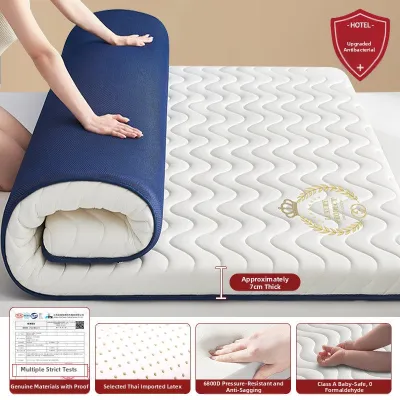
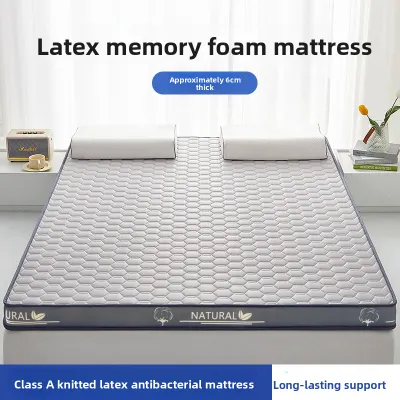
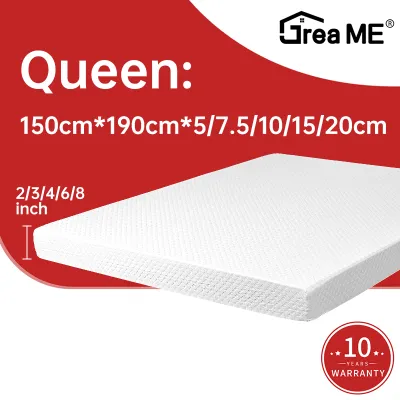
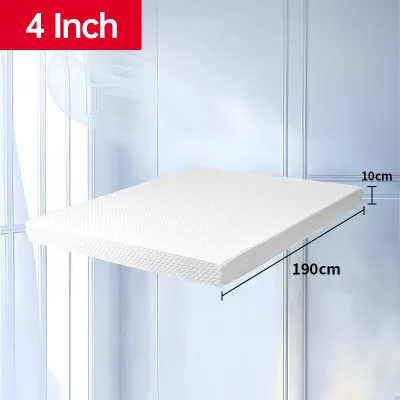
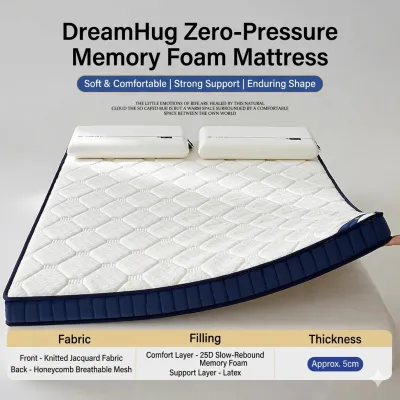
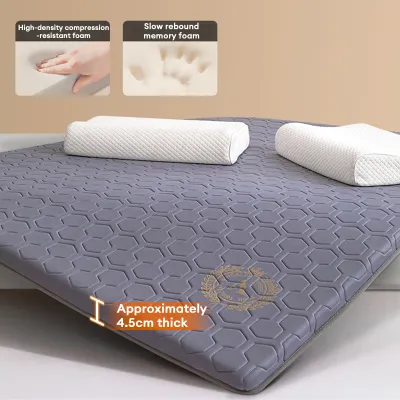
Prices are valid at publication and may change. Please refer to the product page for the latest price.
To address this inherent heat retention, manufacturers often modify memory foam. You will frequently find open-cell memory foam, which features slightly larger cell walls to allow air to pass through more freely. Other variations include gel-infused, copper-infused, or graphite-infused foams, which are designed to conduct heat away from the body. While these modifications can help mitigate initial warmth, their long-term cooling performance depends on how effectively the heat can escape from the deeper layers of the mattress.
In contrast, latex mattresses feature a highly responsive, springy structure that does not rely on body heat to contour. Natural latex is manufactured using either the Dunlop or Talalay process, both of which result in an open-cell material. During manufacturing, these cores are molded with a pattern of pinholes, which significantly enhances ventilation. This pinhole structure allows air to circulate continuously as you move, helping to disperse body heat and prevent moisture buildup.
However, it is important to distinguish between natural latex and synthetic latex blends. Synthetic latex, derived from petroleum-based chemicals, often lacks the same level of breathability and elasticity found in pure natural latex. Furthermore, the overall sleep temperature is not determined by the comfort layer alone. The entire mattress assembly—including the cover fabric, transition layers, support core, and even the bed base—plays a critical role in how effectively the system manages heat and humidity.
Crucial Mattress Features to Verify for Hot and Humid Conditions
When shopping for a mattress in the Philippines, relying solely on broad material categories is rarely enough. You must verify specific product specifications and labels to ensure the mattress can withstand high humidity and warm temperatures.

Cover Materials
The cover is the closest layer to your skin, making its material composition vital for temperature regulation. Look for breathable, moisture-wicking fabrics such as organic cotton, bamboo-derived rayon, or specialized cooling yarns. These materials help pull sweat away from your body and allow it to evaporate quickly. Avoid thick, tightly woven polyester or synthetic blends, which tend to trap moisture and create a humid microclimate right beneath your sheets.
Cooling Technologies
Examine the product specification sheet for active cooling technologies. Look for phase-change materials incorporated into the cover or top foam layers; these materials absorb and release heat to maintain a stable surface temperature. Additionally, check for aerated foam layers or channeled comfort zones that physically facilitate airflow. Be sure to verify these claims on the manufacturer’s official technical specifications rather than relying on vague marketing terms.
Base and Support
The support system of your bed significantly influences its overall ventilation. A mattress with a pocketed coil support core (a hybrid design) inherently allows for much greater airflow than a solid, all-foam base. If you choose an all-foam mattress, ensure it is paired with a slatted bed base rather than a solid platform. Slatted bases allow air to circulate underneath the mattress, preventing heat from pooling at the bottom and reducing the risk of moisture accumulation.
Warranty and Care
High humidity levels can accelerate the degradation of foam materials and encourage the growth of mold or mildew. Review the manufacturer’s warranty terms and care instructions carefully. Check if the warranty covers sagging caused by moisture absorption and look for specific guidelines regarding flipping or rotating the mattress. Regular rotation helps distribute wear and allows different sections of the mattress to air out periodically.
Comparing Memory Foam and Latex Mattress Specifications
To help you evaluate product labels during your search, the following table outlines the verifiable specifications and structural differences between memory foam and latex mattresses.
| Specification | Memory Foam Mattress | Latex Mattress | What to Check on the Label |
|---|---|---|---|
| Typical Density Range | 40 kg/m³ to 80+ kg/m³ | 60 kg/m³ to 95+ kg/m³ | Higher density generally indicates better durability but can retain more heat if not aerated. |
| Structural Design | Solid, closed-cell, or modified open-cell | Molded pinhole structure with open-cell matrix | Look for "open-cell" or "aerated" designations on foam layers. |
| Common Cover Pairings | Often paired with synthetic cooling yarns or polyester blends | Frequently paired with organic cotton or bamboo-derived covers | Verify the percentage of natural fibers versus synthetic polyester. |
| Required Bed Base | Slatted frame or solid platform (slatted preferred for airflow) | Slatted frame with specific gap limits to support weight | Check the manufacturer's manual for maximum allowable slat spacing. |
| Material Origin | Synthetic (polyurethane-based) | Natural (rubber tree sap), synthetic, or blended | Look for certifications verifying natural latex content if avoiding synthetics. |
Rather than declaring one material universally better, use these specifications to assess individual models. A high-quality memory foam mattress with an advanced open-cell structure and a bamboo cover may sleep cooler than a synthetic latex mattress wrapped in a thick polyester knit.
Decision Guide: Choosing the Right Mattress for Your Needs
Selecting the ideal mattress requires balancing your personal comfort preferences with the environmental realities of your home.
Choose Memory Foam if:
You prefer a “hugged” sensation, require deep pressure relief for sensitive joints, or share a bed and need excellent motion isolation to prevent waking your partner. If you opt for memory foam in a tropical climate, prioritize models that feature verified cooling covers, open-cell structures, or gel infusions to help mitigate heat retention.
Choose Latex if:
You prefer a responsive, “on-top-of-the-bed” feel that allows you to move and change positions easily. Latex is also highly suitable if you want a naturally aerated material with excellent durability. Be sure to check the product label to confirm whether the mattress uses 100% natural latex or a synthetic blend, as natural latex typically offers greater breathability and longevity.
Neither may fit if:
Your bedroom lacks adequate ventilation, ceiling fans, or air conditioning. In extremely hot and humid environments without active climate control, any foam material—including latex—can eventually absorb ambient heat and moisture, leading to discomfort. If your room runs exceptionally hot, a traditional innerspring or a hybrid mattress with a thick coil layer may provide the necessary airflow.
Verify first if:
You have specific respiratory allergies, skin sensitivities, or chronic back conditions. Before purchasing, consult the manufacturer’s material safety data sheets to check for potential allergens or chemical off-gassing. If you are managing a medical condition, seek guidance from a healthcare professional to determine the appropriate level of spinal support for your body.
Frequently Asked Questions (FAQ)
Does a cooling mattress topper help with a hot memory foam bed?
A cooling mattress topper can provide temporary surface relief, but its effectiveness depends on its material and thickness. If you place a thick, non-breathable topper over your memory foam bed, it may restrict airflow further and trap more heat. Look for thin toppers made from naturally aerated latex, open-cell gel foam, or breathable natural fibers like cotton or wool. Ensure the topper features a highly breathable cover to allow heat to transfer away from your body rather than pooling at the surface.
How can I prevent mold on my mattress in a humid climate?
Preventing mold in humid tropical regions requires consistent moisture management. Always use a breathable, water-resistant mattress protector to shield the bed from sweat and ambient humidity without blocking airflow. Ensure your mattress rests on a slatted wooden or metal bed frame rather than directly on the floor or a solid box spring, as underside ventilation is crucial. Additionally, open your bedroom windows or run a dehumidifier regularly, and allow your mattress to air out without sheets for a few hours during routine cleaning.
Is a hybrid mattress better for hot weather than all-foam?
Generally, hybrid mattresses offer more effective temperature regulation compared to solid, all-foam mattresses. The pocketed coil system in a hybrid mattress creates a large volume of open space, allowing air to circulate freely through the core of the bed. However, you must still evaluate the top comfort layers. If a hybrid mattress features a thick, dense layer of traditional memory foam directly beneath a heavy polyester cover, the surface may still feel warm despite the excellent airflow in the coils below.

Community discussion
Share your experience or ask a question. Comments are reviewed before publication.