
Choosing the right mattress in the Philippines requires careful consideration of how materials react to high temperatures and heavy humidity. While both memory foam and latex offer distinct comfort profiles, their physical structures handle tropical heat in fundamentally different ways. Latex mattresses naturally excel in warm environments due to their open-cell structure and ventilation channels, whereas traditional memory foam tends to retain body heat. However, modern memory foam designs with open-cell configurations or gel infusions can still provide a comfortable sleep surface, provided your bedroom setup and maintenance routines are optimized for the climate.
To make an informed investment, you must look beyond marketing buzzwords and evaluate how each material manages heat, resists moisture, and supports your body. Your choice will ultimately depend on your typical bedroom temperature, your desired feel, and your willingness to perform regular maintenance.
Evaluating Material Structures and Heat Retention
The core difference between memory foam and latex lies in how they are manufactured and how their internal structures handle airflow. Traditional memory foam is made from polyurethane treated with chemicals to increase its viscosity and density. This creates a dense, closed-cell structure that contours closely to your body by reacting to your body heat. While this contouring provides pressure relief, it also restricts airflow, trapping heat directly beneath your body.
Products mentioned in this guide
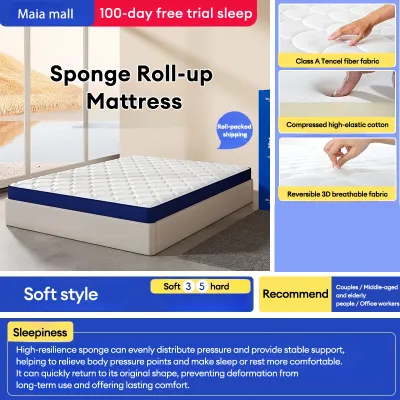
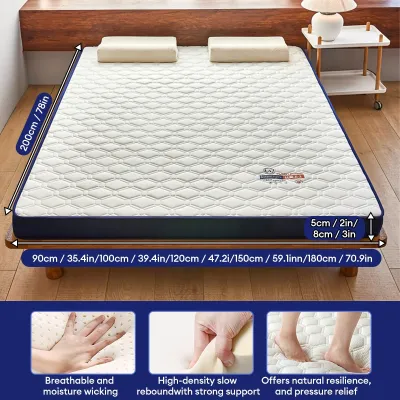
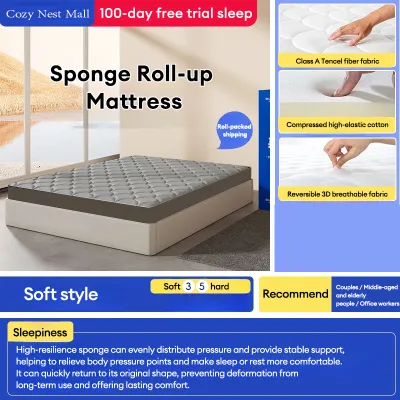
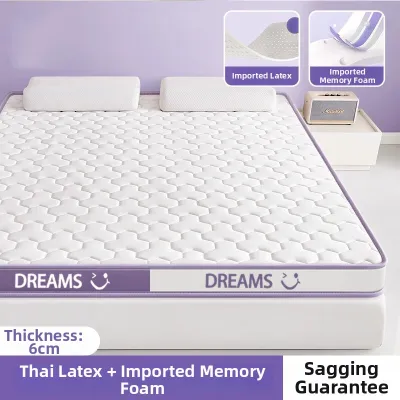
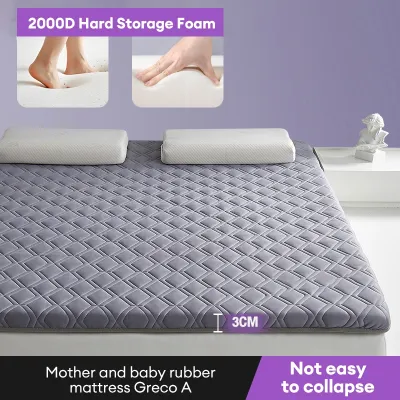
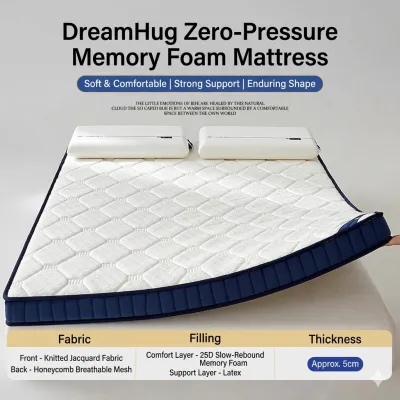
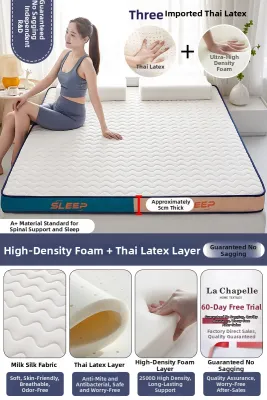
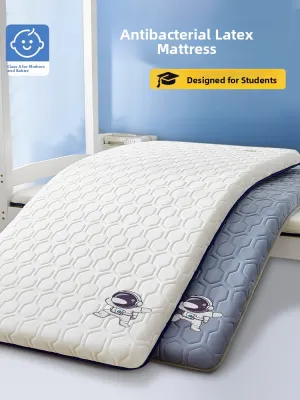
Prices are valid at publication and may change. Please refer to the product page for the latest price.
To mitigate this, manufacturers offer open-cell memory foam or gel-infused variations, which are designed to facilitate better heat dissipation. However, you should verify the manufacturer’s specific airflow ratings and cooling technology claims rather than assuming any gel-infused foam will automatically stay cool.
Latex, on the other hand, features a naturally breathable structure. Whether derived from natural rubber sap, synthetic polymers, or a blend of both, latex mattresses are manufactured with physical pinholes created during the molding process. These pinholes allow air to circulate freely throughout the mattress core, helping to prevent heat from building up during warm tropical nights. Natural latex typically offers high breathability, while synthetic and blended options may have slightly different thermal properties.
When comparing these materials, it is essential to check the product specifications for actual density and structural design. High-density memory foam generally retains more heat than low-density foam, but it also offers longer-lasting support. Rather than relying on generic material names, look for certified testing standards or detailed structural diagrams from the manufacturer that demonstrate how air flows through the mattress layers.
Managing Moisture, Humidity, and Long-Term Maintenance
In the Philippines, high relative humidity poses a constant challenge to mattress longevity and hygiene. Excess moisture from sweat and ambient air can easily seep into mattress layers, creating an environment ripe for mold, mildew, and dust mites. Neither memory foam nor latex is entirely immune to these issues, meaning your maintenance routine is just as important as the material you choose.

To protect your investment, use a clear checklist for moisture management before making a purchase. First, verify whether the mattress comes with a removable, washable cover made from breathable fibers like bamboo, Tencel, or cotton. A washable cover allows you to regularly clean the surface where sweat accumulates. Second, check if the fabric has been treated with moisture-wicking or antimicrobial finishes, which can help manage surface humidity.
Proper bedroom setup and routine care are critical to preventing moisture buildup. Always place your mattress on a breathable bed base, such as a slatted frame, to allow air to circulate underneath. Avoid placing mattresses directly on solid floors or unventilated box springs, as this traps moisture at the bottom of the bed.
Additionally, establish a regular rotation schedule—turning the mattress 180 degrees every three to six months—to ensure even wear and airflow distribution. Keep your bedroom well-ventilated by opening windows during dry days or using a dehumidifier or air conditioner to control indoor humidity levels. Remember to check the manufacturer’s warranty conditions, as some brands may void coverage if the mattress is damaged by mold resulting from improper ventilation or placement on an incompatible base.
Matching Comfort, Support, and Bedroom Conditions
Your sleep environment and physical preferences play a major role in determining which mattress material will feel most comfortable. Memory foam is famous for its slow-response, contouring feel. It cradles your joints, distributes body weight evenly, and minimizes motion transfer, making it a practical option if you share a bed and are easily disturbed by a partner’s movements. However, this deep sink-in sensation can feel restrictive and warm if your bedroom lacks active cooling.
Latex offers a highly responsive, buoyant support system. Instead of sinking into the mattress, you sleep on top of it, which makes it much easier to change positions throughout the night. This buoyant quality prevents you from feeling restricted and allows ambient air to circulate around your body more effectively. If you prefer a mattress that reacts instantly to your movements and keeps you positioned on a flat, supportive plane, latex is generally the more suitable choice.
Your bedroom’s cooling setup should heavily influence your decision. If you sleep in a room with consistent, all-night air conditioning, memory foam’s tendency to retain heat becomes less of an issue, and the material will maintain its intended softness and contouring properties. In contrast, if you rely on natural cross-ventilation or electric fans, a latex mattress’s inherent breathability will help keep your sleep surface cooler.
Additionally, consider the physical weight and mobility of the mattress. Latex is significantly heavier and more flexible than memory foam, making it more challenging to lift, rotate, or move during cleaning. If you live alone or have physical limitations that make heavy lifting difficult, the lighter weight of a memory foam mattress may be a practical advantage during routine maintenance.
Pre-Purchase Checklist and Decision Framework
Before finalizing your purchase on any online marketplace or at a local showroom, use this structured framework to ensure the mattress fits your home and lifestyle.
First, verify the finished dimensions of the mattress and compare them with your bed frame and bedroom space. Ensure you have adequate clearance through doorways, hallways, and stairwells, especially if you are purchasing a heavy, solid latex mattress that cannot be easily bent or compressed. Check the load capacity and stability of your bed frame to ensure it can support both the weight of the mattress and the sleepers.
Second, evaluate the manufacturer’s sleep trial periods and return policies. A sleep trial of at least 30 to 100 nights is highly beneficial, as it allows your body to adjust to the material in your actual home environment. Carefully read the return terms to confirm if the brand covers return shipping fees or if you are responsible for transporting the mattress back to a depot.
Use this decision framework to guide your final choice:
- Choose memory foam if you prioritize deep pressure relief, motion isolation, and sleep in a consistently air-conditioned room, and if you prefer a lighter mattress that is easier to rotate.
- Choose latex if you prefer a responsive, bouncy feel, require natural airflow structures to sleep cool without constant air conditioning, and do not mind managing a heavier mattress.
- Avoid both if your bedroom lacks proper ventilation, your bed frame does not allow under-bed airflow, and the product lacks a removable, washable cover.
- Verify first any marketing claims regarding "cooling" technologies by checking the actual material specifications, structural airflow designs, and user reviews regarding heat retention in tropical climates.
Frequently Asked Questions (FAQ)
Does a cooling cover make a memory foam mattress suitable for humid weather?
A cooling cover can provide temporary surface relief, but it does not change the core material’s physical properties. Many cooling covers use phase-change materials or specialized weaves that feel cool to the touch initially, but this effect can diminish once your body heat saturates the fabric. If the core of the memory foam mattress is dense and lacks open-cell structures or ventilation channels, heat will still build up over several hours of sleep. Additionally, you should check if the cooling cover is removable and washable; non-removable covers can trap sweat and moisture over time, leading to hygiene issues in humid climates.
How can I prevent mold and mildew on my mattress in a tropical climate?
To prevent mold and mildew, you must actively manage moisture and airflow around your mattress. Use a breathable, waterproof mattress protector to shield the core from sweat and ambient humidity without trapping heat. Ensure your mattress rests on a slatted bed frame with at least a few inches of clearance from the floor to promote continuous under-bed ventilation. Regularly dehumidify your bedroom, either by using an air conditioner’s dry mode or a dedicated dehumidifier, especially during the rainy season. Finally, always consult the manufacturer’s care guide before applying any liquid cleaners or spot treatments, as excess moisture left inside the foam or latex can accelerate mold growth.

Community discussion
Share your experience or ask a question. Comments are reviewed before publication.