
Sleeping comfortably in the Philippines requires a mattress that can handle both high ambient temperatures and intense relative humidity. When comparing memory foam and latex mattresses, latex generally sleeps cooler because of its natural open-cell structure and superior breathability. Traditional memory foam tends to retain body heat, but modern manufacturing advancements have introduced cooling technologies that help bridge this gap.
To make an informed decision, you must look beyond simple material labels. The overall cooling performance of any mattress depends on its specific layer construction, the breathability of its cover, and the type of bed frame supporting it. Understanding how these materials interact with a tropical climate will help you choose a bed that keeps you dry and comfortable night after night.
How Memory Foam and Latex Manage Heat
Traditional memory foam is engineered to contour closely to the body in response to heat and pressure. While this provides excellent pressure relief, the dense structure of the foam limits airflow, and the deep contouring wraps around your body, trapping heat close to your skin. In a warm room without continuous air conditioning, this can quickly lead to a sleeping environment that feels stifling and overly warm.
Products mentioned in this guide
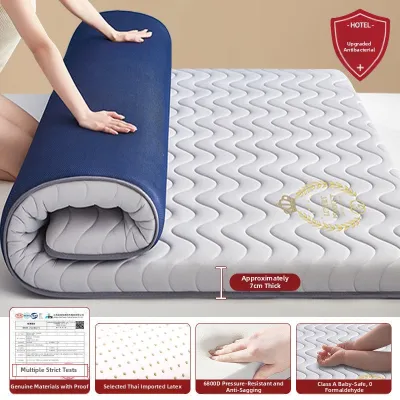
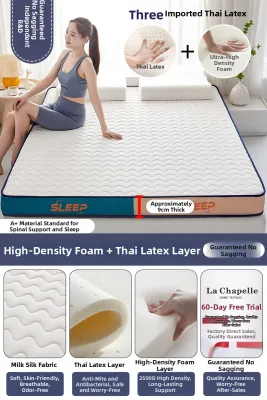
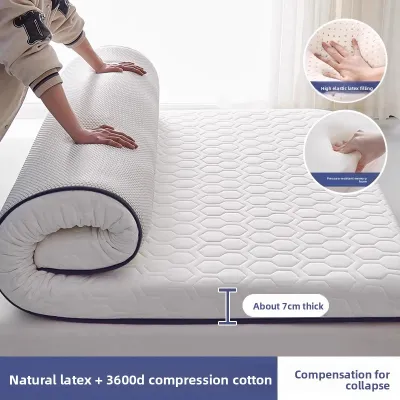
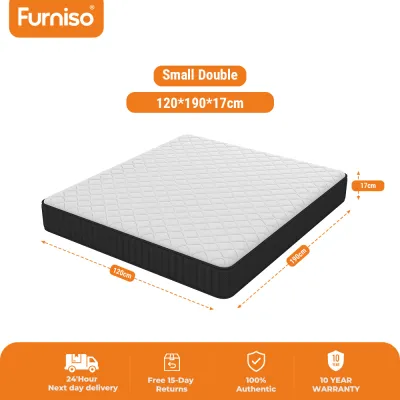
Prices are valid at publication and may change. Please refer to the product page for the latest price.
In contrast, latex mattresses—especially those made from natural or blended latex—possess a highly responsive, springy feel. Latex does not contour as deeply as memory foam, meaning you sleep on the mattress rather than in it. This keeps more of your body surface exposed to the ambient air. Furthermore, latex naturally features an open-cell molecular structure, which is often enhanced during manufacturing with molded ventilation pinholes that allow air to circulate freely.
However, relying solely on the base material name is not a reliable way to judge cooling. A poorly designed latex mattress with a thick, synthetic polyester cover can trap more heat than a high-quality memory foam mattress equipped with advanced ventilation channels and a breathable cover. You must evaluate the entire mattress assembly, including the comfort layers, transition layers, and the base support system, to understand how heat and moisture will dissipate.
Cooling Technologies and Features to Verify
To combat heat retention, manufacturers often incorporate cooling additives into memory foam. Gel infusions, copper particles, and graphite are common materials mixed into the foam layers to help conduct heat away from the body. While these additives can provide a cooler initial feel, their long-term effectiveness depends heavily on their concentration, the thickness of the layer, and how well the heat is transferred to the lower layers of the mattress.

In the humid Philippine climate, managing sweat is just as important as managing temperature. A mattress cover made from breathable, moisture-wicking fabrics is essential for comfort. Look for covers woven with natural cotton, linen, or bamboo-derived rayon. These materials allow air to pass through easily and help evaporate sweat, preventing that clammy, sticky sensation that often disrupts sleep during the humid rainy season.
Another critical feature to verify is the mattress’s core construction. Hybrid mattresses, which combine a foam or latex comfort layer with a base of pocketed coils, offer significantly better cooling than all-foam models. The open spaces between the pocketed coils act as a natural ventilation chamber, allowing heat to escape downward and outward. When shopping, check the specifications to see if the comfort layers are thin enough to let this airflow system function effectively.
Memory Foam vs Latex: Feature Comparison
To help you evaluate your options, the table below compares how memory foam and latex perform across key cooling and structural categories.
| Feature | Memory Foam (with cooling features) | Latex (Natural or Blended) |
|---|---|---|
| Base Structure | Dense, close-contouring; relies on artificial channels for airflow. | Open-cell, highly responsive; naturally ventilated with pinholes. |
| Cooling Modifications | Gel, copper, or graphite infusions; open-cell foam formulations. | Natural breathability; often requires fewer chemical cooling additives. |
| Motion Isolation | Exceptional; absorbs movement completely to prevent partner disturbance. | Moderate to high; responsive bounce but isolates motion well. |
| Humidity Maintenance | High risk of trapping moisture; requires a highly breathable protector. | Naturally resistant to dust mites; still requires ventilation to prevent mold. |
| Weight & Handling | Moderate weight; relatively easy to rotate and position on a bed frame. | Very heavy and flexible; requires significant effort to lift and rotate. |
When reviewing these features, remember that product labels claiming instant cooling must be verified against the actual specifications. Check the thickness of the comfort layers; a thick layer of dense memory foam will likely trap heat regardless of any gel infusions. Additionally, consider the physical handling of the mattress. Because latex is heavy and floppy, ensuring you have the physical strength or assistance to rotate it regularly is crucial for maintaining its shape and breathability.
Decision Framework: Which Mattress Fits Your Sleep Style?
Choosing between these two materials comes down to your personal comfort preferences, budget, and bedroom setup. You should choose a latex mattress if you prefer a buoyant, responsive sleeping surface and want to maximize natural airflow. Latex is highly suitable for those who tend to toss and turn, as it allows you to move freely without feeling stuck. It is also an excellent long-term investment if you have the budget for premium natural options that resist sagging in humid conditions.
On the other hand, you should choose a memory foam mattress if you require deep pressure relief for joint pain and prefer a cradling, contouring sensation. To ensure you stay cool, verify that the memory foam utilizes an advanced open-cell structure, gel infusions, or a convoluted design that promotes airflow. This option is often more budget-friendly and provides unmatched motion isolation if you sleep with a partner who moves frequently.
Before making a final purchase, verify the compatibility of your chosen mattress with your existing bed frame and bedroom space. If you are leaning toward a hybrid model, check that the top comfort layer is not excessively thick, as too much foam can block the cooling benefits of the pocketed coils underneath. Ensure the mattress dimensions match your bed frame precisely, and confirm that your doorways and stairwells can accommodate the delivery of a heavy latex or dense foam mattress.
Maintaining Your Mattress in a Humid Climate
Proper maintenance is vital to preserve the breathability and lifespan of your mattress in a tropical climate. Establish a regular rotation schedule, turning the mattress 180 degrees every three to six months. This prevents permanent body impressions from forming and allows different sections of the comfort layers to air out, reducing the accumulation of moisture from sweat.
Using a high-quality mattress protector is non-negotiable in humid environments. Select a protector that is both waterproof and highly breathable. Avoid cheap plastic covers that trap heat and create a noisy, sweaty sleeping surface. Instead, look for protectors featuring a breathable polyurethane membrane bonded to a soft cotton or bamboo fabric top, which guards against sweat and spills while maintaining airflow.
If your mattress does get wet or absorbs excess humidity, clean it promptly using safe, low-risk methods. Spot clean stains with a damp cloth and a mild, diluted detergent, taking care not to saturate the inner foam or latex core. Always allow the mattress to dry completely in a well-ventilated room with windows open or a fan running before putting the sheets back on. Never expose memory foam or natural latex to direct, intense sunlight, as extreme heat can degrade the material structure.
Frequently Asked Questions (FAQ)
Does a bed frame affect how cool a memory foam or latex mattress sleeps?
Yes, your bed frame plays a major role in temperature regulation. A slatted bed frame with slats spaced about two to three inches apart is ideal because it allows heat and moisture to escape from the bottom of the mattress. Solid platform bases, concrete bed structures, or placing your mattress directly on the floor can trap heat and moisture. In the Philippines’ humid climate, placing a mattress directly on the floor is highly discouraged, as the lack of under-bed ventilation creates a breeding ground for mold, mildew, and dust mites.
Can a cooling mattress topper fix a hot memory foam mattress?
A cooling mattress topper, such as one made of ventilated natural latex or open-cell gel foam, can provide a temporary cooler surface barrier. However, it cannot completely resolve the heat retention of a thick, dense memory foam mattress underneath. Over time, your body heat will still penetrate the topper and become trapped in the dense base layers. If you decide to use a topper, verify that it has a highly breathable cover and a thickness of no more than two to three inches to avoid adding excessive insulation to your bed.

Community discussion
Share your experience or ask a question. Comments are reviewed before publication.