
Selecting a space-saving bed in a tropical climate requires balancing convenience with temperature control. When choosing a trifold foam single mattress for warm, humid nights, the core material determines whether you sleep comfortably or wake up drenched in sweat. Latex foam naturally sleeps cooler than traditional memory foam due to its open-cell structure and minimal body sinkage. However, modern memory foam enhanced with cooling technologies offers a viable alternative if you prefer a contouring feel. Understanding how these materials behave under high ambient temperatures will help you make an informed decision for your home.
Understanding Foam Structures and Heat Retention
To understand why these materials perform differently in tropical weather, it helps to look at how they are made. Traditional memory foam is viscoelastic, meaning it responds to both weight and body heat to contour closely to your shape. While this provides excellent pressure relief, the deep contouring creates a hugging effect. This close fit wraps around your body, reducing the surface area exposed to ambient air and trapping heat directly against your skin. In a warm room without continuous air conditioning, this heat accumulation can quickly become uncomfortable.
Latex foam, by contrast, possesses a highly resilient, springy structure that does not rely on body heat to compress. Whether derived from natural rubber sap or synthetic polymers, latex features an inherent open-cell matrix. This structure acts like a network of tiny, interconnected air passages. When you move, the foam compresses and rebounds, actively pushing warm air out and drawing cooler air in. Because you sit on top of the latex rather than sinking deep into it, more of your body remains exposed to circulating room air.
Products mentioned in this guide
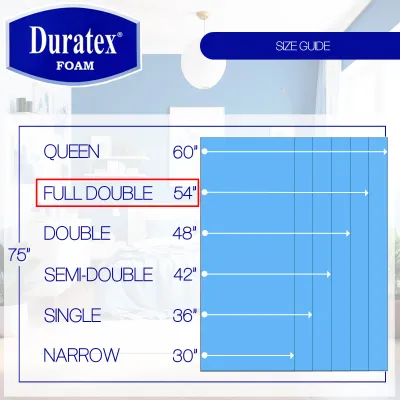
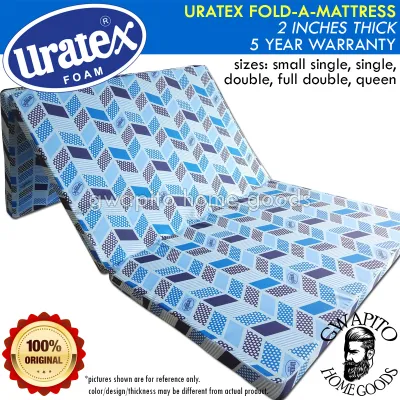
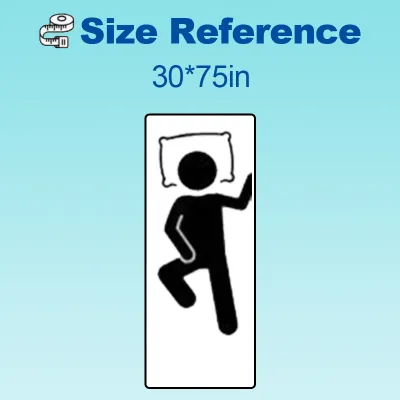
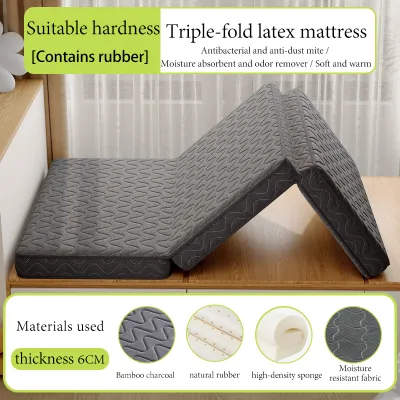
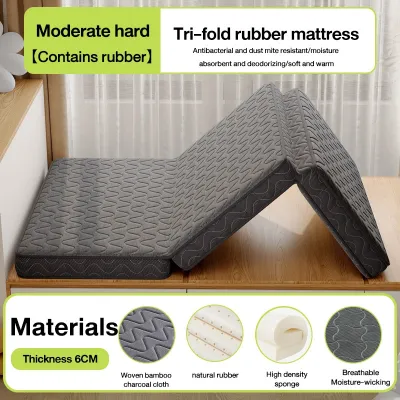
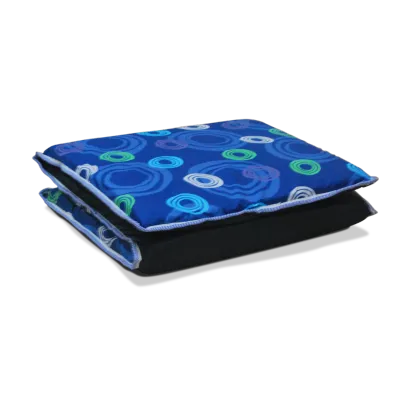
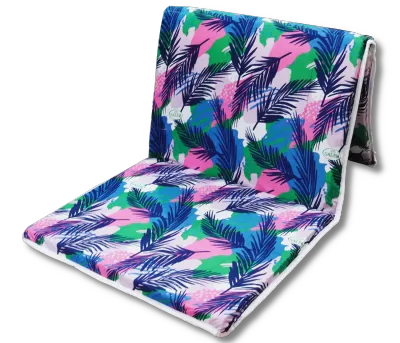
Prices are valid at publication and may change. Please refer to the product page for the latest price.
The trifold design itself introduces unique airflow dynamics that you must consider. A folding mattress relies on fabric hinges and segmented foam blocks to fold into a compact shape. These seams and hinge points can create localized pockets where air circulation stalls. If the mattress rests directly on a non-breathable surface in a humid room, moisture from sweat and ambient humidity can pool in these joints. Over time, this trapped moisture not only degrades the foam but also increases the perceived humidity of your sleeping surface, making it feel warmer.
Key Cooling Features to Check Before Buying
When shopping for a trifold foam single mattress, you cannot rely solely on the generic material name. Manufacturers use various engineering techniques to improve temperature regulation, and you should verify these features on the product specification sheet.

For memory foam options, look closely for cooling infusions designed to offset heat retention. Gel-infused memory foam is a common upgrade where liquid gel or gel beads are swirled into the foam to absorb and dissipate initial body heat. Other advanced models incorporate conductive additives like copper or graphite, which help draw warmth away from the sleeping surface. Additionally, check if the manufacturer specifies an open-cell or reticulated memory foam formulation, as these designs allow significantly more airflow than legacy viscoelastic foams.
If you are leaning toward a latex trifold mattress, inspect the core construction details. High-quality latex mattresses typically feature an aerated pinhole design, often referred to as pin-core latex. These physical holes are molded into the foam during production, creating vertical channels that dramatically boost ventilation. You should also verify whether the latex is natural, synthetic, or a blend. Natural latex generally offers the highest breathability due to its organic cellular structure, whereas synthetic blends may retain slightly more heat but often come at a lower price point.
The outer cover of the trifold mattress plays an equally critical role in keeping you cool. Even the most breathable foam will feel hot if wrapped in a tight, synthetic polyester cover. Look for covers woven from breathable, moisture-wicking fibers such as bamboo-derived viscose, tencel, or high-grade cotton. A removable, zippered cover is highly recommended for tropical climates, as regular washing removes accumulated sweat, body oils, and dust mites that can clog the fabric weave and restrict airflow.
Finally, consider the relationship between mattress thickness and density. A thicker, high-density foam mattress provides superior support and longevity, but it also contains more material to absorb and hold heat. For a portable trifold single mattress, a thickness of three to four inches often strikes the ideal balance. This profile provides sufficient cushioning for most sleepers without causing you to sink so deeply that airflow is cut off around your body.
Daily Use and Maintenance in Humid Climates
Owning a trifold mattress in a humid tropical environment requires active maintenance to preserve its cooling properties and prevent structural damage. High humidity combined with body heat creates a breeding ground for mold, mildew, and dust mites if moisture is allowed to linger.
Establishing a routine airing practice is the most effective way to keep your folding mattress fresh. Instead of leaving the mattress flat on the floor or bed frame all day, fold it into an accordion shape or stand it upright on its side when not in use. Doing this exposes the bottom surfaces and the hinge seams to room airflow, allowing trapped moisture to evaporate. If possible, place the mattress near an open window or in a room with a running fan for a few hours each week to accelerate drying.
Moisture management also involves protecting the foam core from direct sweat absorption. While you want to maximize airflow, using a bare mattress is unhygienic and leads to rapid foam degradation. Invest in a lightweight, breathable mattress protector. Avoid heavy, plastic-backed waterproof protectors that trap heat and create a noisy, hot sleeping surface. Instead, look for protectors utilizing breathable polyurethane membranes paired with natural fiber topsheets that shield the foam while allowing air to circulate.
When cleaning becomes necessary, always consult the manufacturer’s care label first. The foam core itself should never be soaked in water or put in a washing machine, as moisture trapped deep inside foam can take days to dry, leading to internal mold growth. Instead, spot-clean spills immediately using a damp cloth and a mild, diluted detergent, then allow the area to dry completely in a well-ventilated, shaded space. Direct sunlight can degrade both natural latex and memory foam, so avoid leaving the bare foam core under intense midday sun.
Decision Framework: Which Material Fits Your Needs?
Choosing between a latex and a memory foam trifold single mattress ultimately depends on your personal comfort preferences, physical requirements, and budget.
You should choose a latex trifold mattress if your primary goal is maximum cooling and you prefer a responsive, buoyant sleeping surface. Latex is ideal for sleepers who dislike the feeling of being stuck in bed and want to change positions easily. It is also a highly durable option that resists sagging over years of folding and unfolding. However, keep in mind that latex is naturally heavier than memory foam, which may make folding and transporting the mattress slightly more challenging if you plan to move it daily.
You should choose a memory foam trifold mattress if you require deep pressure relief for your joints and prefer a cradling, body-conforming sensation. If you opt for memory foam, make sure to verify that the model includes active cooling features, such as gel infusions or an open-cell structure, to mitigate heat retention. Memory foam trifold singles are generally lighter and easier to fold, making them highly convenient for temporary guest beds or travel.
Before making your final purchase, verify the pricing and weight specifications of your shortlisted models. In the local market, high-quality latex trifold mattresses carry a premium price tag, often ranging from ₱6,000 to over ₱15,000, whereas budget-friendly memory foam options can be found starting around ₱2,500 to ₱5,000. Evaluate current listings on trusted online marketplaces or local furniture showrooms to determine if the long-term cooling and durability benefits of latex justify the higher initial investment for your specific sleeping arrangements.
Frequently Asked Questions (FAQ)
Does a trifold mattress need a special bed frame for better airflow?
While you can use a trifold mattress directly on the floor, elevating it on a slatted bed frame significantly improves cooling and hygiene. A solid platform or direct floor placement blocks air from escaping through the bottom of the mattress, leading to heat buildup and moisture accumulation. A frame with spaced wooden or metal slats allows air to circulate freely beneath the bed, helping to dissipate body heat and keep the foam dry. If you must use the mattress on the floor, make sure to lift and air it out daily to prevent moisture from getting trapped between the foam and the floor surface.
Can I use a cooling mattress topper on a trifold foam mattress?
Adding a separate cooling mattress topper to a trifold mattress is generally impractical because it interferes with the folding mechanism. A thick or rigid topper cannot easily fold along with the mattress segments, forcing you to store and transport two separate, bulky items. Instead of a heavy topper, look for lightweight cooling accessories that do not compromise portability. Breathable bamboo sheets, specialized cooling mattress pads with elastic corner straps, or thin, washable cooling blankets are much more effective solutions for enhancing temperature regulation without affecting the convenience of your folding bed.

Community discussion
Share your experience or ask a question. Comments are reviewed before publication.