
Sleeping comfortably in a tropical climate requires careful consideration of how your bedding handles heat and humidity. When choosing a single foam banig to stay cool during warm nights, no single material guarantees a sweat-free sleep without the right structural design. While natural latex generally offers inherent breathability through its open-cell structure, modern memory foam and regular polyurethane foam can also regulate temperature effectively if they feature gel infusions, physical perforations, or breathable covers. Ultimately, the cooling performance depends on the specific product’s density, airflow design, and outer fabric rather than the base material name alone.
In many households across the Philippines, the traditional woven mat has evolved into the modern foam-backed alternative to provide a balance of traditional style and cushioned comfort. However, adding foam to a banig introduces insulation properties that can trap body heat if you do not select the right material. Understanding how these materials interact with ambient temperature and body moisture is the first step toward securing a restful, cool night of sleep.
Understanding Foam Heat Retention in Tropical Climates
Foam materials are inherently insulating because they consist of millions of tiny microscopic cells that trap air. In high-density foams, these cells are packed tightly together, leaving very little space for air to move through the material. When you lie down on a high-density foam banig, your body heat radiates into the mattress, warming the trapped air. Because the air has no path of escape, the foam begins to act like an insulator, reflecting your own body heat back toward your skin.
Products mentioned in this guide
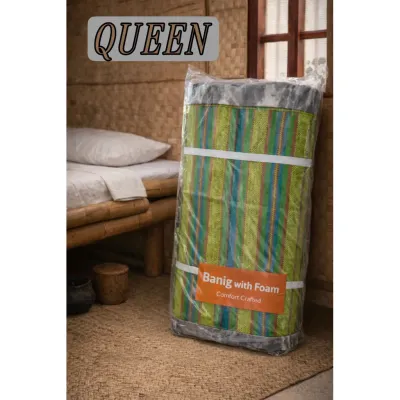
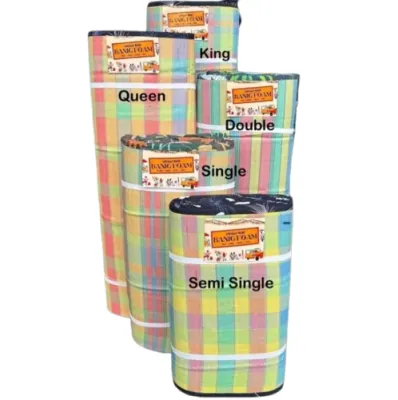
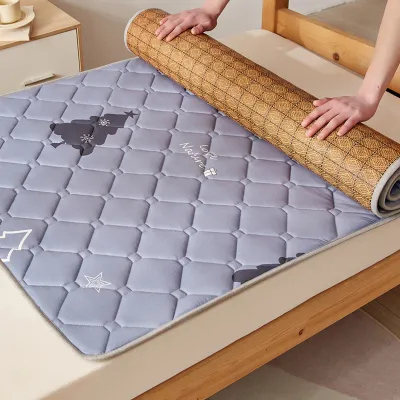
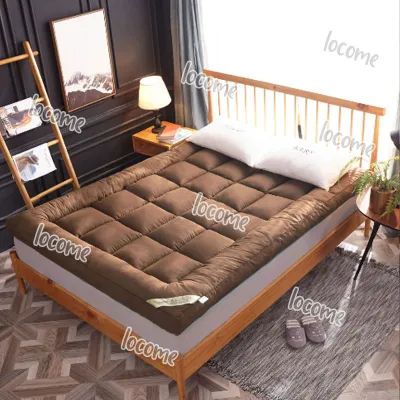
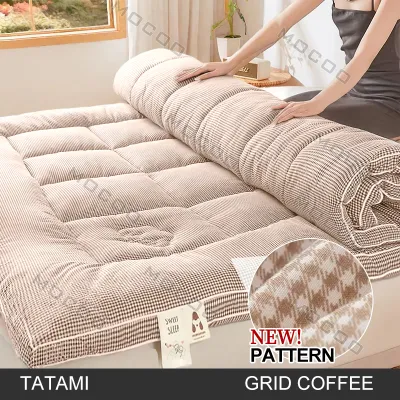
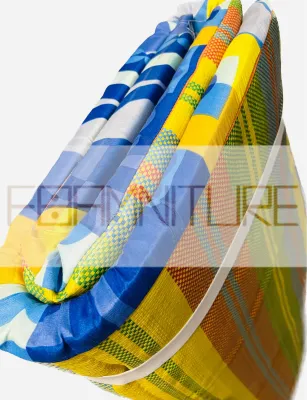

Prices are valid at publication and may change. Please refer to the product page for the latest price.
This heat retention is further compounded by body contouring. Highly conforming foams wrap closely around your body, increasing the surface area of contact between your skin and the bed. This close contact leaves very little of your skin exposed to ambient air currents, preventing natural heat dissipation. As your body temperature rises, you begin to sweat, which introduces moisture into the sleeping environment.
In a tropical climate characterized by high ambient humidity, this moisture cannot evaporate efficiently. When sweat remains trapped between your body and a closed-cell foam surface, it creates a hot, humid microclimate. This lack of evaporation prevents your body’s natural cooling mechanisms from working, making the mattress feel significantly warmer than the actual room temperature. To combat this, a foam banig must either feature an open-cell structure that allows air to pump through the core or utilize physical design modifications that actively disperse heat and moisture.
Comparing the Three Foam Types for Cooling
To find the right single foam banig, it helps to compare how memory foam, natural latex, and regular polyurethane foam handle heat and airflow. Each material possesses a distinct cellular structure that dictates how much heat it retains and how well it supports your body in a warm room.

Memory Foam Banig: Density and Gel Infusions
Traditional memory foam, or viscoelastic foam, is notorious for trapping heat because of its high density and pressure-sensitive nature. It relies on your body heat to soften and contour to your physical shape. While this contouring provides excellent pressure relief for your joints, it also creates a deep cradle that wraps around your body, severely restricting lateral airflow and trapping heat directly beneath you.
To address this inherent limitation, manufacturers introduce various cooling technologies into the foam mixture. Gel infusions are the most common modification, where liquid gel or gel beads are mixed into the polyurethane compound to absorb initial body heat. Other advanced options include conductive additives like copper or graphite, which help draw heat away from the surface, or convoluted “egg-crate” cuts that create physical air channels beneath the cover.
When shopping for a gel-infused memory foam banig, it is crucial to verify the product specifications rather than relying on the name alone. Check the product label to confirm if the foam features an open-cell formulation or physical ventilation holes. Without these structural pathways, gel infusions can only absorb heat for a limited time before they saturate and match your body temperature, rendering the cooling effect temporary.
Latex Banig: Natural Pinhole Structure
Natural latex is derived from the sap of rubber trees and processed to create a highly resilient, bouncy foam. During the manufacturing process, the material naturally forms an open-cell structure that is far more breathable than traditional synthetic foams. This open-cell matrix allows air to flow through the material rather than remaining trapped inside individual pockets.
Furthermore, molded latex cores are typically manufactured with a grid of physical pinholes. These vertical channels run through the entire thickness of the foam, acting as a natural ventilation system. Every time you move or shift your weight during the night, the compression of the latex pumps warm air out through these pinholes and draws cooler ambient air in, maintaining a lower surface temperature.
While natural latex offers excellent inherent breathability, synthetic or blended latex variants may not perform at the same level due to differences in cell consistency. Additionally, you must check if the latex layer is encased in a non-breathable waterproof liner or a heavy synthetic cover. A plasticized or tightly woven polyester barrier will completely block the airflow of the pinhole structure, neutralizing the natural cooling benefits of the latex core.
Regular Polyurethane Foam: Airflow and Firmness
Regular polyurethane foam, often referred to as standard polyfoam, is the most common material used in budget-friendly single foam banigs. Because it is typically manufactured at a lower density than memory foam, it features larger, more irregular cell structures. This lower density allows for better baseline air circulation through the foam core, as air can pass through the larger gaps more freely.
Another cooling advantage of regular polyfoam is its firmness. Firmer regular foam does not contour deeply to your body, meaning you sleep on top of the banig rather than sinking into it. By keeping your body elevated, the foam minimizes the surface area of contact, allowing room air to circulate around your skin and facilitate sweat evaporation.
However, there is a clear trade-off between this initial breathability and the material’s long-term structural durability. Low-density regular foam is highly susceptible to sagging and softening over time, especially when subjected to the high humidity and warmth of a tropical climate. Once the foam loses its support and begins to sag, you will sink deeper into the depression, which ultimately increases heat retention and reduces comfort.
Key Specifications to Check Before Buying a Single Foam Banig
When searching for a single foam banig that will keep you cool, you should look past basic marketing claims and evaluate the physical specifications of the product. Use this practical checklist to verify a product’s actual cooling capabilities before making a purchase:
- Cover Fabric Composition: The cover is the only barrier between your skin and the foam. Prioritize breathable, moisture-wicking materials such as bamboo-derived rayon, organic cotton, or specialized cool-touch mesh. Avoid thick, tightly woven synthetic polyester blends, which trap moisture and heat regardless of the foam quality underneath.
- Physical Airflow Design: Inspect the foam core for visible ventilation features. Look for convoluted egg-crate designs, molded air channels, or perforated pinholes. These physical pathways are highly effective at promoting continuous air circulation beneath your body.
- Thickness and Density Balance: For a single foam banig, a thickness of 2 to 3 inches is often ideal for floor or slatted bed use. A thinner, firmer profile prevents deep body sinkage while still providing adequate cushioning. If you prefer a thicker mattress, ensure it features high-density support foam paired with a dedicated ventilated comfort layer.
- Removable and Washable Covers: High humidity leads to increased perspiration, which can seep into the foam and degrade its structure. Ensure the banig comes with a removable, zippered cover that can be easily washed. Regular washing removes salt and moisture buildup, keeping the sleeping surface fresh and breathable.
- Finished Dimensions and Storage: Measure your sleeping area and bed frame to ensure the single size fits perfectly. If you plan to roll or fold the banig during the day, verify that the foam is flexible enough to handle repeated folding without cracking or losing its shape.
Decision Framework: Which Foam Banig Fits Your Sleep Style?
Selecting the right foam banig depends on your personal comfort preferences, budget, and how hot you sleep. Use this framework to match your specific needs to the correct material:
- Choose Latex if: You prioritize natural breathability, prefer a responsive and bouncy sleeping surface, and want a durable material that resists sagging. This is the ideal choice if you dislike the feeling of being hugged by your mattress and want to invest in a long-lasting, naturally cool option.
- Choose Memory Foam if: You require deep pressure relief for joint pain or back discomfort, but only if the product explicitly features gel infusions, open-cell technology, or physical ventilation channels. Ensure you pair it with a highly breathable cover to offset the material's natural tendency to retain heat.
- Choose Regular Foam if: You are shopping on a budget, prefer a firm sleeping surface that keeps you elevated, and want decent baseline airflow without a high price tag. This option is excellent for temporary guest setups or daily use, provided you check the foam's firmness to prevent premature sagging.
- Verify First if: The product listing lacks clear details about the cover fabric, foam density, or cooling features. If a seller simply labels a product as a "foam banig" without specifying the materials or ventilation design, it is highly likely to contain standard closed-cell foam that will sleep hot in humid weather.
Maintenance and Care to Prevent Heat and Moisture Buildup
Proper maintenance is essential to preserve the cooling properties and structural integrity of your foam banig, especially in humid tropical environments. Without regular care, moisture from perspiration and ambient air can accumulate within the foam cells, leading to mold growth and accelerated material degradation.
To prevent moisture buildup, establish a routine of airing out your banig. If you place your banig directly on the floor, lift it up every morning and prop it against a wall or hang it in a well-ventilated indoor area. This allows air to circulate around the bottom surface, drying out any trapped condensation. Additionally, flip the banig end-to-end and top-to-bottom every few weeks to ensure even wear and prevent permanent body impressions.
When drying or airing out your foam banig, keep it out of direct sunlight. High ultraviolet (UV) radiation breaks down the chemical bonds in both polyurethane and natural latex, causing the foam to become brittle, crumble, and lose its supportive qualities. Always air dry your mattress in a shaded, breezy indoor or covered outdoor space instead.
If the outer cover is removable, wash it regularly according to the manufacturer’s instructions. Ensure the cover is completely dry before zipping it back over the foam core. Putting a damp cover back on the foam will trap moisture inside the dark, warm cells, creating an ideal environment for mold and mildew. If the foam itself ever gets wet, blot it immediately with a dry towel and use a fan to dry the area thoroughly.
Discontinue use and consult the manufacturer or replace the banig if you notice a persistent musty odor, visible dark spots of mold on the foam core, or significant structural collapse where the foam no longer recovers its shape. Sleeping on moldy or severely sagged foam can compromise your respiratory health and lead to poor spinal alignment.
Frequently Asked Questions (FAQ)
Does a thicker foam banig sleep hotter than a thinner one?
Yes, a thicker foam banig can sleep hotter if the material is soft and lacks proper ventilation. Thicker foam allows your body to sink deeper into the surface, which wraps the insulating material around your sides and traps your body heat. Thinner, firmer foam banigs keep you positioned on top of the mattress, maximizing your exposure to ambient air currents and keeping you cooler throughout the night.
Can I use a cooling mattress topper on a regular foam banig?
Adding a cooling mattress topper, such as a thin gel-infused memory foam pad or a ventilated latex topper, can improve the immediate surface temperature of a regular foam banig. However, this is only a surface-level solution. If the underlying regular foam banig is dense and lacks ventilation, heat can still build up in the lower layers over several hours of sleep. For the best results, ensure both the topper and the base foam have breathable designs.
How do I know if a foam banig is suitable for a humid climate?
To determine if a foam banig is suitable for a humid climate, look for specific design indicators rather than generic marketing terms. Check for a breathable cover material like bamboo or cotton, visible ventilation holes or convoluted channels in the foam core, and an open-cell structure. Additionally, look for user reviews from buyers living in tropical regions, as their experiences will provide practical insights into how the product performs under real-world humidity.

Community discussion
Share your experience or ask a question. Comments are reviewed before publication.