
Quick Answer: Which Mattress Sleeps Cooler in a Tropical Climate?
When shopping for a new foam mattress in the Philippines, temperature regulation is often the most critical factor to consider. The combination of high ambient temperatures and intense tropical humidity can turn a comfortable bed into a heat trap, leading to restless nights and night sweats. If you are trying to decide between memory foam and latex, natural latex is the clear winner for sleeping cooler. Natural latex possesses an inherent open-cell structure that allows air to circulate freely, preventing body heat from becoming trapped within the core of the bed.
While traditional memory foam is known for retaining heat due to its dense, viscoelastic composition, modern manufacturing has introduced several innovations to address this issue. Today, you can find memory foam mattresses engineered with gel infusions, graphite particles, open-cell formulations, and specialized phase-change covers designed to dissipate heat. However, even with these advanced cooling technologies, memory foam typically only manages to narrow the thermal gap rather than surpass the natural breathability of latex. For sleepers in the Philippines who do not run air conditioning continuously throughout the night, a natural latex mattress remains the more reliably cool and ventilated option.
Heat Retention vs. Airflow: The Core Material Differences in a Foam Mattress
To understand why these two popular mattress materials perform so differently in tropical weather, it is essential to examine their physical structures and thermal properties. Every foam mattress relies on its internal cell configuration to support your body, but the way these cells interact with air and heat varies dramatically between synthetic viscoelastic polyurethane (memory foam) and natural rubber sap (latex).
Products mentioned in this guide
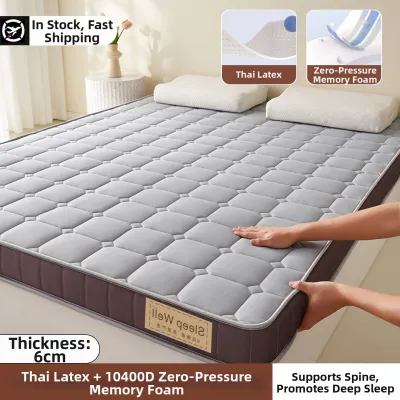
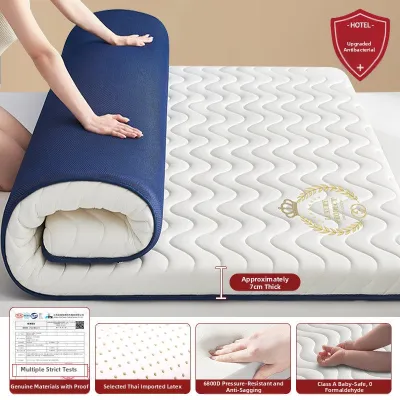
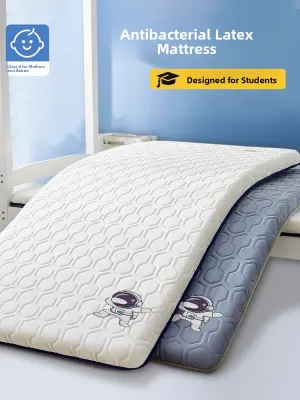
Prices are valid at publication and may change. Please refer to the product page for the latest price.

Memory Foam: Dense Contouring and Heat Trapping
Memory foam is a synthetic material engineered to react to both pressure and temperature. When you lie down on a memory foam mattress, your body heat softens the chemical bonds within the polyurethane structure, allowing the bed to conform precisely to your physical shape. This deep contouring provides exceptional pressure relief for the shoulders, hips, and lower back, creating a supportive “hug” that many sleepers find comforting.
However, this contouring effect comes with a significant thermal trade-off. Because memory foam requires your body heat to soften and mold to your shape, it naturally acts as an insulator. The dense, viscoelastic structure of the foam consists of millions of tightly packed, closed cells that restrict lateral airflow. As your body sinks deeper into the mattress, the material wraps around you, increasing the surface area of contact and trapping heat directly against your skin. In the warm Philippine climate, this heat-trapping cycle can quickly lead to an uncomfortable buildup of thermal energy, especially if your bedroom relies solely on an electric fan rather than active air conditioning.
Latex: Open-Cell Structure and Natural Breathability
In contrast, latex foam is highly breathable due to its manufacturing process and natural composition. Harvested from the sap of rubber trees, natural latex is processed into foam using either the Dunlop or Talalay method. Both methods produce a material with a highly porous, open-cell structure that does not rely on body heat to contour to your shape. Instead, latex reacts instantly to pressure alone, providing a buoyant, responsive sensation that keeps you positioned on top of the mattress rather than sinking deep into it.
The structural difference between the two materials is highly noticeable during warm nights. Talalay latex, in particular, undergoes a vacuum and flash-freezing process during manufacturing that creates an exceptionally aerated, consistent cell structure with thousands of tiny pathways for air to move. Dunlop latex, while slightly denser and more supportive at the base, still retains a highly porous matrix compared to synthetic foams. This open-cell network allows air to circulate continuously as you shift positions, dissipating body heat and allowing ambient air to cool the mattress surface. Furthermore, natural latex does not soften or change its support characteristics when exposed to high ambient room temperatures, ensuring consistent comfort throughout the humid seasons in the Philippines.
Beyond the Foam: Cooling Gels, Infusions, and Mattress Covers
While the core material of your mattress establishes its baseline temperature regulation, modern bedding manufacturers use various additives and surface treatments to modify how heat is transferred. When evaluating a foam mattress, it is important to distinguish between temporary surface-level cooling features and permanent structural breathability.
Gel-Infusions, Copper, and Graphite Additives
To combat the natural heat retention of viscoelastic polyurethane, many memory foam manufacturers infuse the material with cooling gel beads, liquid gel, copper particles, or graphite. These conductive materials are mixed directly into the liquid foam before it cures. The primary goal of these additives is to increase the thermal conductivity of the mattress, allowing it to pull heat away from your body more rapidly than standard foam.
While these infusions do help a memory foam mattress feel cooler when you first lie down, they have physical limitations. Gels and minerals work by absorbing and transferring heat away from the body, but once the additives reach thermal equilibrium with your body temperature, their cooling effect diminishes. Without a path for air to escape, the accumulated heat remains trapped within the lower layers of the mattress. Therefore, while a gel-infused foam mattress is a significant upgrade over traditional, non-infused memory foam, it still cannot match the continuous, passive airflow provided by a naturally ventilated latex core.
The Critical Role of Mattress Covers and Ticking
The fabric cover wrapping your mattress plays an equally vital role in how cool you sleep. Even the most breathable latex core can feel hot if it is encased in a thick, tightly woven synthetic polyester cover that blocks airflow. Conversely, a high-quality, breathable cover can significantly enhance the performance of a gel-infused memory foam bed.
When shopping for a mattress in the Philippines, look for covers made from natural, moisture-wicking fibers. Organic cotton and bamboo-derived viscose are highly recommended for tropical climates because they allow air to pass through easily and help evaporate sweat. Some advanced mattresses also feature phase-change materials woven into the ticking, which actively absorb, store, and release heat to maintain a balanced sleep surface. Before finalizing your purchase, always check the manufacturer’s specifications to ensure the cover is highly breathable, and verify if it is removable and washable to help maintain hygiene in humid conditions.
Managing High Humidity: Mold Resistance and Longevity in the Philippines
The tropical climate of the Philippines presents unique challenges for mattress maintenance. With relative humidity levels frequently exceeding 80% during the monsoon season, mattresses are constantly exposed to moisture from both the air and human sweat. Choosing a material that can withstand these humid conditions is crucial for protecting your investment and ensuring a healthy sleep environment.
Dense memory foam mattresses are highly susceptible to moisture retention. When you sweat at night, the moisture can seep into the tight, closed-cell structure of the foam. If the mattress is placed on a solid platform bed frame or directly on the floor without adequate ventilation, this trapped moisture cannot evaporate. Over time, the warm, damp interior of a memory foam bed can become a breeding ground for mold, mildew, and dust mites, which can trigger allergies and cause the foam to degrade prematurely.
Natural latex, on the other hand, is highly resilient in humid environments. The natural rubber proteins present in organic latex make the material inherently antimicrobial, hypoallergenic, and resistant to mold and dust mites. Because air flows freely through its open-cell structure, moisture from sweat evaporates much more rapidly, keeping the interior of the mattress dry. This natural resistance to moisture and microbial growth is one of the primary reasons natural latex mattresses are exceptionally durable, often lasting twice as long as synthetic foam alternatives in tropical regions.
To maximize the lifespan of either mattress type in the Philippines, implement these low-risk, practical maintenance steps:
- Ensure proper base ventilation: Use a slatted bed frame with slats spaced 2 to 3 inches apart to allow continuous airflow underneath the mattress. Avoid solid board foundations or placing the mattress directly on the floor.
- Maintain indoor humidity: Use a dehumidifier or run your air conditioner on the "dry" mode during the rainy season to keep bedroom humidity levels below 60%.
- Protect against spills and sweat: Use a highly breathable, waterproof mattress protector to shield the inner foam from sweat while still allowing air to circulate.
- Avoid direct sunlight: While airing out a mattress is beneficial, never expose natural latex to direct sunlight, as ultraviolet (UV) rays will rapidly break down the natural rubber polymers and ruin the mattress. Always air it out in a shaded, well-ventilated room instead.
- Consult the care label: Always check the manufacturer's specific care instructions before attempting to spot-clean or rotate your mattress, as improper cleaning agents can damage the foam structure.
Final Verdict: How to Choose the Right Foam Mattress for You
Selecting the ideal mattress ultimately depends on finding the right balance between temperature regulation, support preferences, and budget. Both materials offer distinct advantages, and understanding how they compare side-by-side can help you make an informed decision for your bedroom.
| Feature | Memory Foam Mattress | Latex Mattress |
|---|---|---|
| Airflow & Cooling | Moderate to low (improves with gel/PCM) | Exceptionally high (natural open-cell) |
| Contouring Feel | Deep, slow-response "hug" | Buoyant, instant-response bounce |
| Humidity & Mold Resistance | Moderate (requires active ventilation) | High (inherently antimicrobial) |
| Motion Isolation | Outstanding (absorbs movement fully) | Good (responsive but dampens vibration) |
| Average Lifespan | 7 to 10 years | 12 to 15+ years (natural latex) |
| Best For | Side sleepers, joint pain, motion isolation | Hot sleepers, back/stomach sleepers, natural materials |
To help narrow down your choice, consider these specific scenarios and sleeping styles:
Choose Latex If:
- You prioritize natural materials and maximum airflow to stay cool in tropical weather.
- You prefer a responsive, buoyant feel that makes it easy to move or change positions.
- You want long-term durability and resistance to the mold and dust mites that thrive in high humidity.
Choose Memory Foam If:
- You need deep pressure relief for joint pain and prefer a contouring sensation that cradles your body.
- You share a bed and require superior motion isolation to block partner movement.
- You sleep in an air-conditioned room where you can comfortably manage ambient temperatures.
Verify First If:
- You are purchasing online. Always check the return policy and trial period to ensure you can test the mattress in your own home.
- You are checking delivery access. High-density foam and latex mattresses are heavy and flexible. Ensure your doorways, stairwells, and lifts can accommodate the dimensions before ordering.
- You are assessing the frame requirements. Verify that your existing bed frame is sturdy and provides adequate slatted support to prevent sagging and promote airflow.
Frequently Asked Questions (FAQ)
Is a hybrid mattress cooler than an all-foam mattress?
Yes, a hybrid mattress generally sleeps cooler than an all-foam mattress. Hybrid models combine a foam comfort layer (either memory foam or latex) with a support core made of individually pocketed steel coils. Because the coil layer is mostly open space, it allows air to flow freely through the center of the mattress. This structural ventilation helps dissipate heat much more effectively than a solid, high-density foam base, making hybrid mattresses an excellent alternative for hot sleepers who still want the pressure relief of foam.
Does mattress thickness affect how hot it sleeps?
Yes, the thickness of a mattress—specifically the depth of its comfort layers—can influence how hot it sleeps. Thicker mattresses often feature deeper comfort layers designed to allow your body to sink further into the bed. When you sink deeply into thick memory foam layers, the material wraps around more of your body, creating an insulating envelope that traps body heat. If you prefer a thicker mattress profile, choosing a model with a latex comfort layer or advanced cooling covers is highly recommended to counteract this heat-trapping effect.
Can I use a cooling mattress topper to fix a hot memory foam bed?
An active cooling mattress topper can help mitigate the surface temperature of a hot memory foam bed, but it may not completely solve the underlying issue. Adding a thin topper made of breathable natural latex, open-cell gel foam, or moisture-wicking wool creates a comfortable thermal barrier between your body and the heat-retaining memory foam core. However, because the dense memory foam base beneath the topper still restricts overall airflow, the mattress as a whole may still retain some heat. For the best results, ensure the topper is paired with highly breathable sheets made of cotton or bamboo.

Community discussion
Share your experience or ask a question. Comments are reviewed before publication.