
Quick Answer: Which Foam Suits Your Family-Size Banig?
Selecting the right banig with foam family size depends heavily on your sleeping environment, budget, and physical comfort needs. There is no single material that works perfectly for every household in a tropical climate, so your choice should align with your daily routine and room setup.
If your primary concern is staying cool during warm, humid nights and you want a highly durable, responsive surface, latex foam is the ideal choice. It naturally resists heat retention and provides excellent support, though it comes with a higher price tag and heavier weight.
For households prioritizing portability, easy storage, and affordability, regular polyurethane foam is the most practical option. It is lightweight enough to fold and put away every morning, making it perfect for shared living spaces.
Products mentioned in this guide
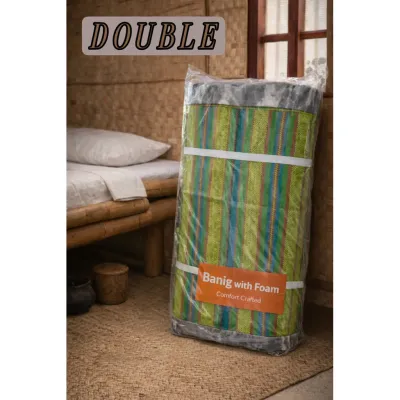
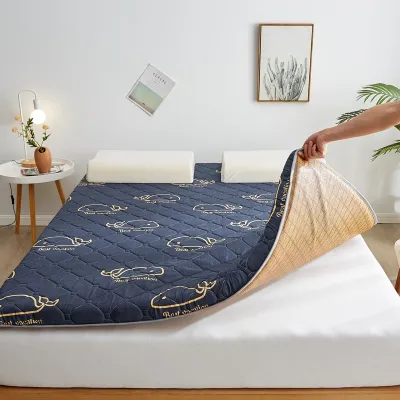
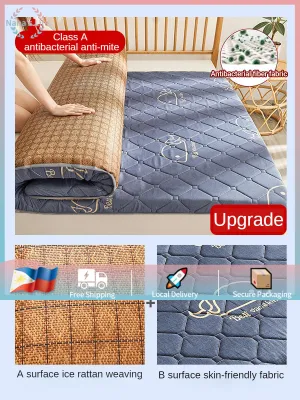
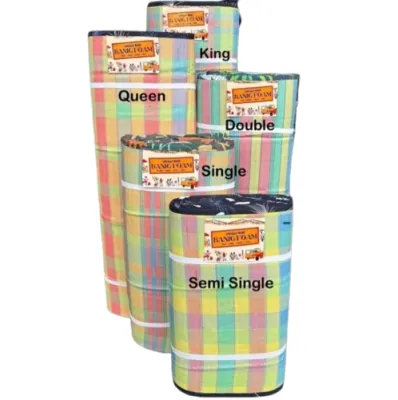
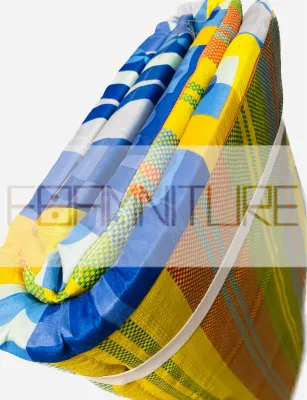

Prices are valid at publication and may change. Please refer to the product page for the latest price.
If you require deep pressure relief for joint pain, memory foam is highly contouring, but you must carefully check the product specifications for cooling gel infusions or open-cell structures to prevent excessive heat trapping.
Comparing Foam Types for a Tropical Banig
A traditional banig is celebrated for its breathability, but adding a foam layer introduces new variables to your sleeping climate. When choosing a banig with foam family size, you must balance the traditional cooling properties of woven mats with the physical characteristics of the underlying cushioning.

The primary challenge in a tropical climate is heat retention, as dense materials tend to trap body heat and moisture. Additionally, because family-size mats are often moved, folded, or stored during the day to maximize floor space, the weight and flexibility of the foam are just as important as its comfort.
Support is another critical factor, especially when multiple family members share the same sleeping surface. The foam must distribute weight evenly to prevent sleepers from sinking directly onto the hard floor beneath.
Memory Foam: Contouring and Heat Management
Memory foam is famous for its ability to cradle the body, distributing weight evenly and relieving pressure on the shoulders, hips, and lower back. This contouring effect can make a family-size banig feel incredibly luxurious, especially for side sleepers who need extra cushioning.
However, standard memory foam is highly dense and reacts to body heat to soften, which naturally leads to heat retention. In a room without consistent air conditioning, this material can create a warm “sleeping pocket” that traps sweat and ambient humidity.
To counter this issue, you must inspect the product specifications before purchasing. Look for labels indicating open-cell memory foam, which allows better airflow, or infusions such as cooling gel or copper designed to dissipate heat.
Another practical consideration is the weight of the material. High-density memory foam is significantly heavier than standard foam, which makes folding and lifting a large family-size mat a strenuous daily chore.
Latex: Natural Breathability and Resilience
Latex foam is highly regarded for its natural elasticity and open-cell structure, which makes it exceptionally breathable. Unlike memory foam, latex does not rely on body heat to conform to your shape, meaning it stays cool and responsive throughout the night.
Most high-quality latex foams feature a pinhole pattern created during the manufacturing process (such as the Dunlop or Talalay methods). These physical channels allow air to circulate freely under the woven banig layer, helping to evaporate sweat and moisture quickly.
When shopping, it is important to verify whether the latex is natural, synthetic, or a blend by checking the manufacturer’s tags and certifications. Natural latex offers superior durability and resistance to dust mites, which thrive in humid tropical conditions.
The main trade-offs for a latex banig with foam family size are its weight and cost. Latex is a dense, heavy material that can be difficult to roll or fold, and it typically represents a substantial financial investment compared to other foam types.
Regular Polyurethane Foam: Lightweight and Budget-Friendly
Regular polyurethane (PU) foam, often referred to as standard or high-resilience foam, is the most common cushioning material used in traditional Filipino households. Its popularity stems from its excellent balance of utility, comfort, and affordability.
Standard PU foam naturally features an open-cell structure that provides a baseline level of breathability, allowing heat to escape more easily than in solid, non-infused memory foam. It also recovers its shape quickly when you stand up, preventing deep body impressions.
To ensure a family-size mat does not bottom out under the weight of multiple sleepers, you must check the density rating on the product label. Low-density utility foams may feel soft initially but will quickly flatten, leaving you sleeping directly on the hard floor.
The standout advantage of regular PU foam is its lightweight nature. A family-size banig made with this foam can be easily folded, carried, and stored by a single person, making it highly compatible with dynamic, multi-use living rooms.
Key Decision Factors for Hot and Humid Climates
Your choice of foam must match the specific microclimate of your home. If your bedroom is equipped with continuous air conditioning, memory foam becomes a viable option because the ambient air temperature helps regulate the foam’s warmth and keeps the sleeping surface comfortable.
For rooms that rely on natural ventilation, ceiling fans, or open windows, latex or high-density regular foam are far more suitable. These materials do not trap heat as aggressively, allowing you to benefit from whatever breeze is available in the room.
High ambient humidity is another critical factor to consider in the Philippines. Dense, poorly ventilated foams can trap moisture from both the air and sweat, creating an ideal breeding ground for mold, mildew, and musty odors.
Where you place your banig also dictates the type of foam you should choose. Placing a foam mat directly on a tiled or wooden floor restricts airflow to the underside, whereas using it on an elevated, slatted bed frame allows moisture to escape from both sides of the mattress.
How to Verify Foam Quality and Specs Before Buying
To avoid relying on vague marketing terms like “orthopedic” or “ultra-cooling,” you should learn to read the manufacturer’s specifications. Look for the density rating, which is measured in kilograms per cubic meter (kg/m³); higher density generally indicates better durability and support.
Another useful metric is the Indentation Load Deflection (ILD) rating, which measures the firmness of the foam. A higher ILD means a firmer foam, which is often preferred for floor-sleeping banigs to prevent the body from sinking completely through the cushion.
The cover material of the banig is just as important as the foam core. Inspect the fabric to ensure it is made of breathable, moisture-wicking fibers such as cotton, bamboo-derived rayon, or high-quality traditional woven banig materials like buri or pandan leaves.
Always check if the banig cover is removable and machine-washable. In a hot climate where sweat and dust accumulate quickly, being able to unzip and wash the outer cover is essential for maintaining hygiene and preventing odors.
Maintenance and Care for Foam Banigs
Proper maintenance is essential to protect your investment and prevent the foam from degrading prematurely in humid conditions. Regularly airing out your banig is the most effective way to eliminate trapped moisture and keep the materials fresh.
When sunning your mat, check the manufacturer’s care instructions first, as direct ultraviolet (UV) rays can cause natural latex and memory foam to oxidize, crumble, and lose their structural integrity. If direct sunlight is discouraged, air the mat in a shaded, well-ventilated indoor area with a fan running.
To prevent permanent creases or tears in a family-size mat, always follow the recommended folding or rolling directions. Forcing a thick foam mat into a tight fold that it was not designed for can rupture the internal cell structure of the foam.
For spills or sweat stains, spot-clean the affected area immediately using a damp cloth and mild detergent. Avoid saturating the foam core with water, as deep moisture is incredibly difficult to dry out completely and will almost certainly lead to mold growth inside the mat.
Frequently Asked Questions (FAQ)
Can I use a family-size foam banig directly on the floor?
Yes, you can use a family-size foam banig directly on the floor, but doing so requires extra care due to tropical humidity. When placed flat on a tile or wood floor, the underside of the foam cannot breathe, which traps body heat and condensation.
To prevent mold and mildew, it is highly recommended to place a breathable barrier, such as a thin woven mat or a slatted wooden base, underneath the foam. If you must use it directly on the floor, lift and air out the banig daily to let the underside dry completely.
How do I clean a foam banig if it gets sweaty or damp?
If your foam banig becomes damp from sweat or high humidity, you should focus on cleaning the outer cover rather than wetting the foam itself. Unzip and wash the removable cover according to the manufacturer’s instructions.
For the inner foam core, gently blot any damp spots with a dry towel and apply a light mist of a fabric-safe sanitizing spray if needed. Always allow the entire banig to air-dry completely in a well-ventilated room or shaded outdoor area before folding or sleeping on it again.

Community discussion
Share your experience or ask a question. Comments are reviewed before publication.