
Selecting the right office chair in the Philippines directly impacts your daily productivity, physical health, and comfort. With the tropical climate bringing high humidity and warm temperatures throughout the year, traditional leather or heavy fabric chairs often trap heat, leading to discomfort during long working hours. This makes a breathable mesh chair an excellent investment for home offices and study spaces alike. However, navigating the wide range of options available on local online marketplaces can be overwhelming, especially when prices span from entry-level budget models to premium ergonomic setups.
Finding a reliable mesh chair that fits within a specific budget requires balancing essential ergonomic features against material quality and adjustability. Whether you are looking to spend ₱3,000, ₱5,000, ₱10,000, or ₱15,000, understanding what each price point offers allows you to make an informed decision. This guide outlines what to expect at these key price tiers, helping you prioritize core comfort, verify structural safety, and avoid common quality traps without overspending on unnecessary marketing gimmicks.
Setting Realistic Expectations for Mesh Chair Budget Tiers
When shopping for a mesh chair, your budget dictates the materials, structural integrity, and level of customization you can expect. At the entry-level tiers of ₱3,000 and ₱5,000, chairs typically feature a hybrid design consisting of a mesh backrest paired with a high-density foam seat cushion. The mesh used in these lower-priced models is often a basic polyester blend, which provides decent breathability but may stretch over time. Adjustability in this range is generally limited to basic seat height and a simple tilt-lock mechanism, while the armrests are usually fixed to the frame or backrest, offering little to no customization for different arm lengths or desk heights.
Products mentioned in this guide
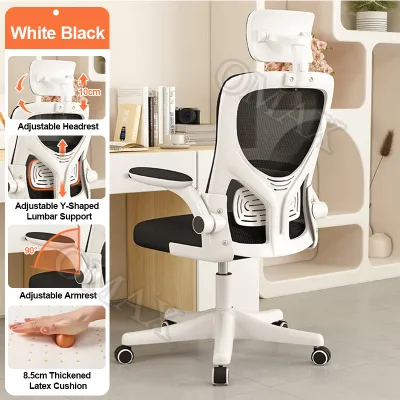
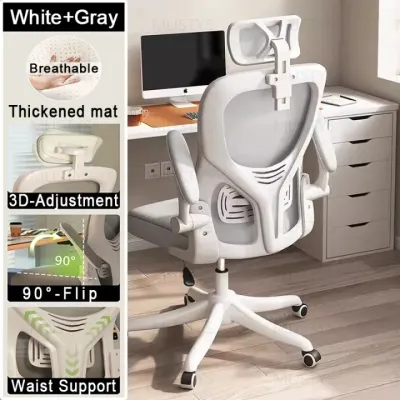
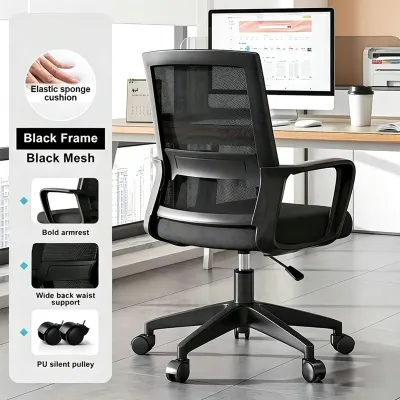
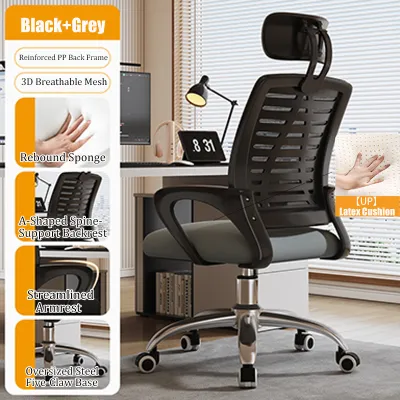
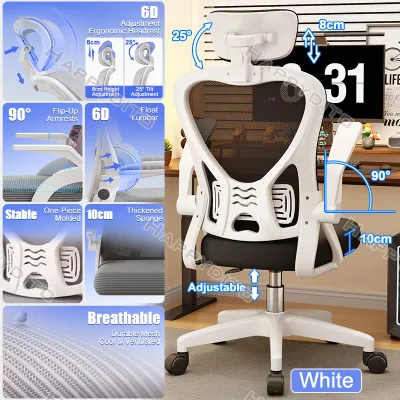
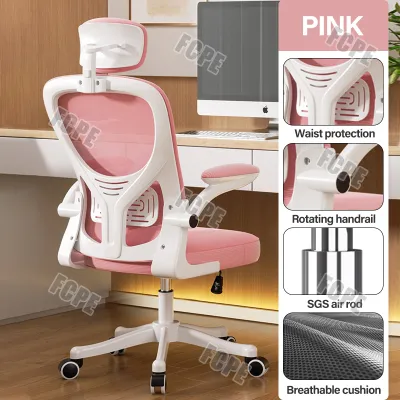
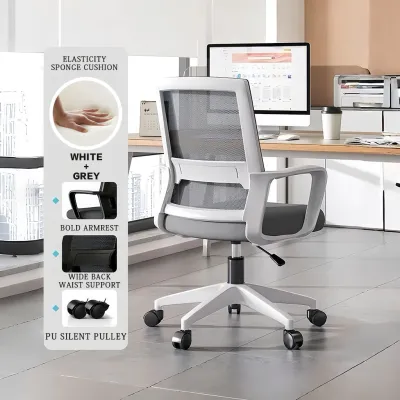
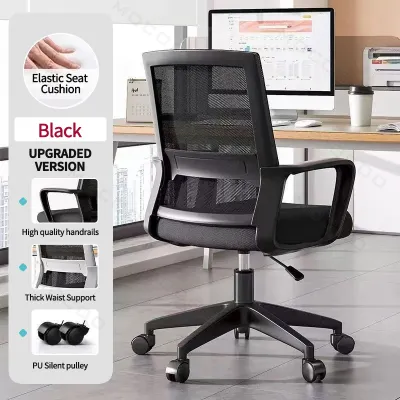
Prices are valid at publication and may change. Please refer to the product page for the latest price.
As you transition to the mid-range and premium tiers of ₱10,000 and ₱15,000, the design and material quality improve significantly. In these brackets, you will find fully meshed chairs where both the backrest and the seat pan utilize high-tensile elastomeric mesh. This material offers superior weight distribution, eliminates pressure points, and maximizes airflow from all angles. Furthermore, these higher-tier chairs replace basic nylon or plastic bases with heavy-duty reinforced nylon or polished aluminum alloy bases, which greatly enhances overall stability. Adjustability also becomes highly sophisticated, introducing multi-dimensional armrests (adjustable in height, angle, and depth) and advanced tension controls that adapt to your body weight.
Identifying Non-Negotiable Ergonomic Features
Regardless of how much you plan to spend, certain core ergonomic elements must be present to ensure basic comfort and long-term posture support. The most critical of these is lumbar support. In entry-level chairs, lumbar support is often a fixed plastic curve built into the backrest frame, which may or may not align with your natural spinal curve. If you are purchasing a budget chair, look for models that at least offer a height-adjustable lumbar pad, allowing you to position the support directly against your lower back.

Another non-negotiable feature is a reliable seat height adjustment range. To maintain proper posture, your feet must rest flat on the floor while your thighs remain parallel to the ground, keeping pressure off your lower thighs and promoting healthy blood circulation. Ensure the chair’s pneumatic cylinder allows you to lower or raise the seat to match your desk height perfectly. Additionally, verify the presence of basic tilt tension controls and a secure recline locking function. A chair without adjustable tilt tension can either feel like a rigid wall or recline too quickly, posing a tipping hazard when you lean back.
Maximizing Value in the ₱3,000 and ₱5,000 Tiers
When shopping within the ₱3,000 to ₱5,000 price range, the key to maximizing value is prioritizing structural safety and basic material durability over complex, fragile features. Many budget chairs attempt to attract buyers by offering footrests, extreme recline angles, or built-in massage vibrators. However, at this price point, these extra components are often made of cheap plastics and weak joints that are prone to breaking under daily use. Instead, focus your budget on a chair with a certified Class 3 or Class 4 gas lift cylinder, which ensures safe and smooth height adjustments over several years.
Before finalizing a purchase on any online marketplace, inspect the product listings carefully for reinforced wheelbases and verified weight capacity labels. A wide, heavy-duty nylon base with a diameter of at least 60 centimeters provides the necessary stability to prevent the chair from tipping over. It is also highly recommended to review the retailer’s return policy and warranty coverage. Look for sellers who offer at least a six-month to one-year warranty specifically covering moving parts, such as the gas lift, caster wheels, and tilt mechanism, as well as protection against premature mesh tearing.
Evaluating Upgrades in the ₱10,000 and ₱15,000 Tiers
Stepping up to the ₱10,000 and ₱15,000 tiers allows you to invest in a chair designed for intensive, full-day professional use. One of the most significant upgrades in this range is the synchro-tilt mechanism. Unlike basic tilt mechanisms where the backrest and seat tilt back at the same angle, a synchro-tilt mechanism reclines the backrest at a faster rate than the seat (typically a 2:1 ratio). This keeps your feet flat on the floor and maintains proper spinal alignment even when you stretch back. You will also find seat depth sliders in this price bracket, which allow you to adjust the seat pan forward or backward to accommodate different thigh lengths, preventing the edge of the seat from cutting off circulation behind your knees.
Durability is another area where these higher-end chairs excel. The mesh used in ₱10,000+ chairs is typically woven with high-density elastomeric polymers that resist sagging, even after years of supporting your body weight in a humid environment. The frame construction is often reinforced with fiberglass or aluminum, providing a solid, squeak-free sitting experience. Additionally, these models feature multi-directional armrests (often referred to as 3D or 4D arms) that can be adjusted upward, downward, forward, backward, and angled inward or outward. This level of customization ensures your shoulders and neck remain relaxed, regardless of whether you are typing, writing, or using a controller.
Finalizing Your Purchase: Space, Assembly, and Hidden Costs
Before clicking the buy button, it is essential to verify the physical logistics of your workspace to avoid costly return processes. Start by measuring your desk clearance, specifically the height from the floor to the underside of the desk drawer or frame. This ensures that the chair’s armrests can slide underneath the desk when not in use, saving valuable floor space in smaller rooms or condominiums. Additionally, check the width of your doorways, hallways, and elevator doors to guarantee that the shipping box or the fully assembled chair can easily pass through during delivery.
Assembly is another practical factor to consider. Most mesh chairs purchased online are shipped flat-packed to reduce shipping costs. Review the product description to confirm whether the package includes all necessary assembly tools, such as an Allen wrench, and clear, multi-step instructions. Some premium sellers offer pre-assembled delivery or professional assembly services for a small fee, which can save you time and ensure the chair is put together safely. Finally, account for potential shipping fees, as large, heavy furniture items can incur high delivery charges depending on your location in the Philippines. Always verify the e-commerce platform’s specific conditions for returning bulky items, ensuring you won’t be left responsible for expensive return shipping costs if the chair does not meet your expectations.
Frequently Asked Questions (FAQ)
Is a full mesh seat better than a mesh back with a foam cushion?
Choosing between a full mesh seat and a hybrid design depends largely on your personal comfort preferences and working environment. In the hot and humid climate of the Philippines, a full mesh seat offers unparalleled breathability, allowing air to circulate freely under your thighs and preventing sweat buildup during long working hours. However, full mesh seats require high-quality, high-tensile mesh to prevent sagging; cheap mesh seats can stretch over time, causing your thighs to press against the hard plastic frame. A hybrid design with a high-density foam cushion provides a more traditional, plush feel and immediate pressure relief, but it can retain body heat and may gradually degrade or flatten after years of continuous use.
How do I verify the weight capacity of an online mesh chair listing?
Verifying the weight capacity of a mesh chair on an online marketplace requires looking beyond the marketing text, which often lists generic or exaggerated weight limits. Instead, scroll down to the technical specifications and look for the classification of the pneumatic gas lift cylinder. A certified Class 3 gas lift typically supports up to 120 to 150 kilograms, while a Class 4 gas lift is designed for heavier loads, often supporting up to 150 to 200 kilograms. If the product description lacks clear technical specifications or certification details, it is highly advisable to contact the seller or manufacturer directly to ask for the specific gas lift class and the maximum recommended weight limit before making your purchase.

Community discussion
Share your experience or ask a question. Comments are reviewed before publication.