
Choosing a metal frame sofabed for a large family of three to five members in the Philippines requires looking beyond aesthetic appeal to focus on structural integrity, spatial footprint, and actual sleeping dimensions. In many Filipino households, the living room serves as a multi-generational hub where family members gather to watch television, study, or host overnight guests. A metal frame offers the robust support needed for daily high-traffic use, but finding the right model involves verifying specific engineering details, mechanism safety, and spatial clearance. This guide provides a comprehensive evaluation framework, structural checks, and a pre-purchase verification checklist to help you make an informed decision when browsing online furniture stores or visiting local showrooms.
Assessing Seating and Sleeping Capacity for 3-5 Members
When shopping for a sofabed, it is crucial to understand that a “3-seater” or “5-seater” sofa label refers only to upright seating capacity, not sleeping capacity. A standard three-seater sofa typically translates to a double or queen-size sleeping surface when unfolded. For a family of three to five, a single sofabed will rarely accommodate everyone for sleeping simultaneously; instead, it serves as a primary bed for one or two adults, or multiple children, while providing ample seating during the day.
Examine the correlation between seating width and mattress dimensions. A true queen-size sleeping surface requires an interior frame width of at least 150 centimeters, which usually dictates a sofa exterior width of over 180 centimeters once armrests are factored in. If you have a larger family of five, you may need to look at L-shaped sectional sofabeds or modular configurations that offer extended seating wings while still converting into a comfortable sleeping area.
Products mentioned in this guide
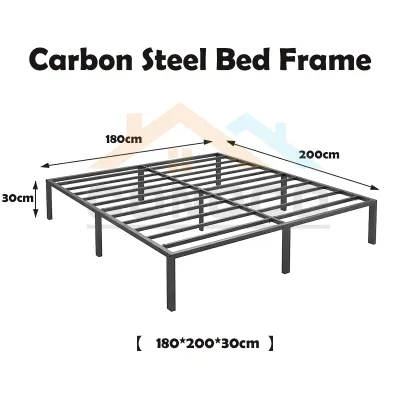
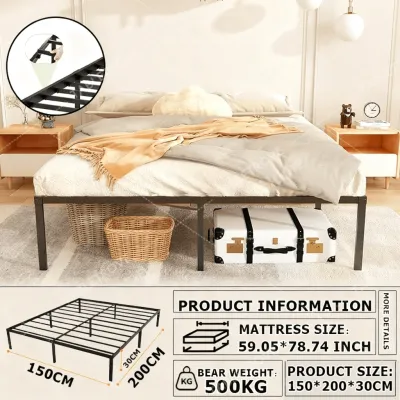
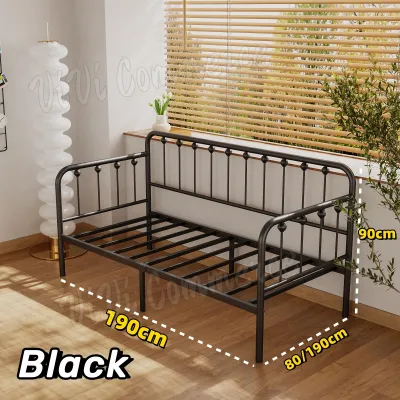
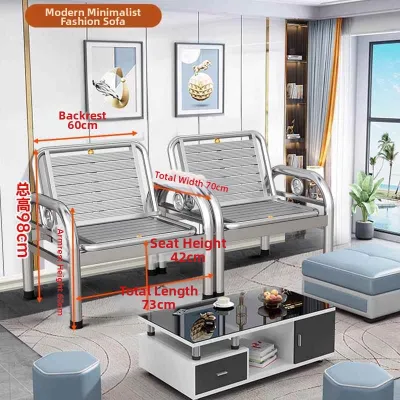
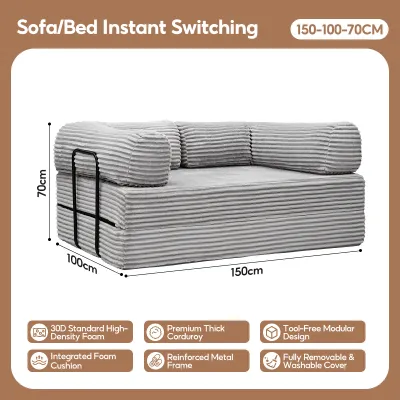
Prices are valid at publication and may change. Please refer to the product page for the latest price.
Consider the spatial transition from day to night. When fully extended, the sofabed projects forward into the room, often requiring an additional 120 to 150 centimeters of clear floor space. This expansion can temporarily block pathways to the kitchen, bathroom, or main exit. Map out this footprint to ensure that family members can still move safely around the room during the night without tripping over the extended frame.
Mattress thickness and support are critical for comfort and longevity. Metal frames often utilize either a metal mesh grid, wooden slats, or a canvas deck to support the mattress. For regular use by adults or older children, look for a mattress thickness of at least 10 to 12 centimeters to prevent sleepers from feeling the underlying metal support bars. Thinner mattresses may bottom out under heavier weight loads, leading to disrupted sleep and accelerated wear on both the foam and the frame.
Evaluating Metal Frame Durability and Structural Integrity
The durability of a metal frame depends heavily on its construction methods rather than its visual bulk. Welded joints generally offer superior rigidity compared to purely bolted connections, as bolts can gradually loosen under the dynamic forces of sitting, jumping, or folding. When inspecting a sofabed in a showroom or reviewing specifications online, look for clean, continuous welds at key stress points, particularly where the legs meet the main support perimeter.

If the frame relies on bolted assembly, check if the hardware includes locking washers or nylon-insert lock nuts, which resist loosening over time. Tube thickness, often specified in millimeters or gauge, determines the frame’s resistance to bending. A wall thickness of 1.2 millimeters or greater is typically recommended for residential furniture subjected to heavy daily use by multiple family members.
Weight capacity is a vital safety metric that must be verified through official product documentation. A reliable sofabed designed for large families should specify a static weight limit, often ranging from 200 to 300 kilograms for multi-seater models. This capacity must accommodate the combined weight of multiple seated individuals during the day or two sleeping adults at night. Avoid assuming a high weight capacity based solely on the presence of metal; always verify the manufacturer’s rated limit.
The tropical climate of the Philippines introduces high humidity levels that can accelerate rust and corrosion on unprotected metal surfaces. Inspect the frame’s finish to ensure it features a durable powder-coated or electroplated protective layer. Powder coating provides a thick, baked-on barrier that resists moisture, scratches, and chipping far better than standard liquid paint, preserving the structural integrity of the steel underneath.
The folding mechanism must operate smoothly without binding, grinding, or requiring excessive physical force. Test the transition several times to observe how the hinges and glide tracks behave. A high-quality mechanism should feature safety locks or positive engagement points that prevent the frame from accidentally folding or collapsing when weight is applied to the edges.
Choosing the Right Configuration: L-Shaped vs. Modular Designs
L-shaped sectional sofabeds are highly popular in Filipino living rooms because they maximize corner spaces and provide a natural gathering layout. These designs typically feature a stationary chaise lounge paired with a pull-out or fold-down main section. While they offer generous seating for five or more people during the day, the unfolding mechanism is often restricted to one side, meaning the sleeping area is fixed in a specific orientation.
When evaluating an L-shaped model, verify whether the chaise section contains built-in storage. This hidden compartment is highly practical for storing extra pillows, blankets, and bedsheets, keeping the living room tidy. However, ensure the lifting mechanism of the chaise is assisted by gas struts or heavy-duty springs, allowing you to access the storage space safely without straining.
Modular sofabeds offer a highly flexible alternative, consisting of individual seating units that can be rearranged to fit different room layouts or family activities. This modularity is particularly beneficial for irregular living room shapes or homes where furniture must be moved frequently. Weight is distributed across separate smaller frames, making individual pieces easier to lift and clean around.
A key consideration for both configurations is the flatness of the sleeping surface once fully converted. Many sofabeds suffer from unevenness or noticeable gaps between the cushions, which can cause discomfort during extended sleep. Check how tightly the cushions butt together when the bed is open, and consider using a thick mattress topper to bridge any gaps and create a uniform, supportive sleeping plane.
Pre-Purchase Verification and Space Planning
Before finalizing any purchase on an online marketplace or at a local furniture store, precise physical measurements are mandatory. Use a measuring tape to map out the exact footprint of the sofabed in both its fully folded (sofa) and fully extended (bed) states. Leave a minimum clearance of 60 centimeters around the extended bed to allow for comfortable walking paths and to prevent blocking doors or cabinets.
Logistical access is a frequently overlooked bottleneck when purchasing large furniture. Measure the width and height of all entry doors, narrow hallways, staircase turns, and elevator cabins through which the sofabed must pass during delivery. Many metal frame sofabeds are delivered partially assembled in large, heavy boxes; verify the packaged dimensions with the seller to ensure the boxes can physically navigate your home’s entry points.
The weight of a heavy metal frame, combined with the weight of several family members, exerts significant localized pressure on your flooring. If your living room features delicate surfaces like vinyl planks, laminate, or soft wood, the metal feet can cause deep scratches or indentations. Plan to install heavy-duty felt pads, rubber cups, or a thick area rug beneath the frame’s contact points to distribute the weight and prevent sliding.
Always review the seller’s return policies, assembly requirements, and warranty terms before committing to a purchase. Metal sofabeds can be complex to assemble, often requiring specific tools and two people to align the heavy frame components safely. If the retailer offers professional assembly services within your area, utilizing this service can prevent assembly errors that might void the warranty or compromise the structural safety of the mechanism.
Maintenance and Long-Term Care for Metal Frames
Establishing a routine maintenance schedule is essential to preserve the smooth operation and appearance of your metal frame sofabed. Every six months, perform a thorough inspection of all structural connections. Use the appropriate wrench or screwdriver to gently tighten any bolts or screws that may have vibrated loose during daily use, taking care not to over-tighten and strip the threads.
To clean the metal frame, wipe it down with a soft, dry microfiber cloth to remove dust and sweat residues. If a deeper clean is necessary, use a slightly damp cloth with a mild, pH-neutral soap solution, and immediately dry the surface with a clean towel. Avoid using abrasive scrubbing pads, bleach, or harsh chemical cleaners, as these can scratch or degrade the protective powder coating, exposing the raw metal to atmospheric moisture.
Listen closely for early warning signs of wear, such as squeaking joints or resistance when operating the folding mechanism. Squeaking is usually caused by friction between moving metal parts and can often be resolved by applying a small amount of silicone-based lubricant to the hinges and pivot points. Avoid using heavy oils or WD-40, which can attract dust and create a sticky residue that jams the mechanism over time.
If you observe severe structural issues—such as bent metal tubes, cracked welds, or a mechanism that refuses to lock securely—discontinue using the sofabed immediately. Attempting to force a jammed mechanism or weld a broken frame without professional equipment can result in sudden collapse or injury. Contact the manufacturer’s customer service or a qualified furniture repair professional to assess and repair the damage safely.
Frequently Asked Questions (FAQ)
Are metal frame sofabeds noisy when converting or sleeping?
Noise in metal frame sofabeds typically originates from loose connections, worn hinges, or direct friction between unprotected metal components. During the selection process, look for models that incorporate silent washers, nylon bushings, or rubber-padded contact points at the pivot joints. These small components act as buffers, preventing metal-on-metal grinding when you shift weight or convert the unit. Regularly checking and tightening the assembly bolts also prevents the frame from shifting and squeaking under load.
How do I prevent the metal frame from rusting in a humid climate?
Preventing rust in the humid climate of the Philippines requires a combination of proper material selection and environmental care. Choose a sofabed with a high-quality powder-coated finish, which provides a robust barrier against moisture. Maintain good indoor ventilation by opening windows during dry days or using ceiling fans and dehumidifiers to keep indoor humidity levels balanced. When cleaning, never leave the frame damp; always dry it immediately with a clean microfiber cloth, and avoid using harsh chemical cleaners that can strip away the protective coating.

Community discussion
Share your experience or ask a question. Comments are reviewed before publication.