
Finding the right metal hanging cabinet for a compact Philippine kitchen requires balancing physical dimensions, weight capacities, and protective surface treatments. In typical urban condominiums, townhouses, or traditional apartments where space is limited, wall-mounted metal cabinets offer a durable, pest-resistant alternative to wood. However, selecting the ideal unit is not about finding a universal winner, but rather verifying specific structural details, door configurations, and anti-rust finishes that can withstand high tropical humidity and daily culinary activities.
In the Philippines, kitchens often face unique environmental challenges. High ambient humidity, salt-laden air in coastal regions, and the steam generated from daily cooking can quickly degrade poorly finished furniture. Traditional wooden cabinets are susceptible to swelling, warping, and termite infestations, which makes metal an increasingly popular choice for modern households. To ensure your investment stands the test of time, you must approach the purchase with a clear understanding of your kitchen’s layout, wall structure, and storage needs.
This guide provides a practical framework to help you evaluate metal hanging cabinets before making a purchase. By focusing on verifiable product specifications, structural compatibility, and smart installation practices, you can maximize your kitchen’s storage capacity without compromising safety or workflow efficiency.
Products mentioned in this guide
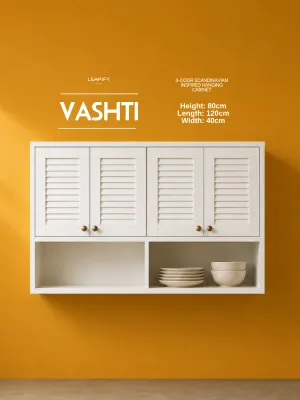
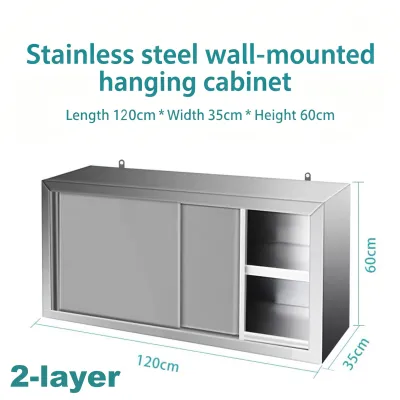
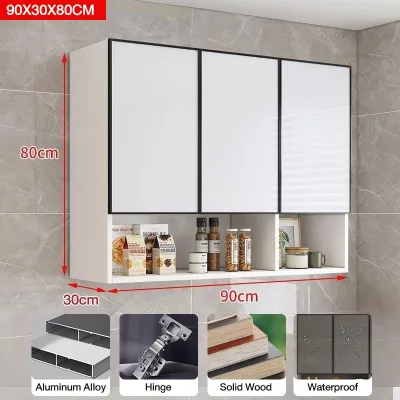
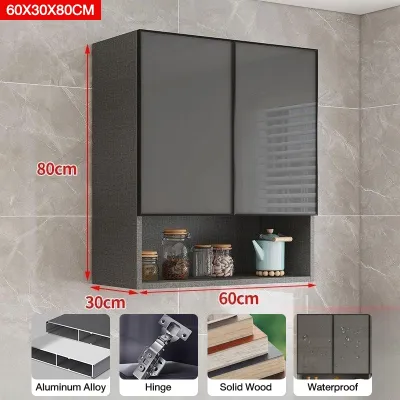
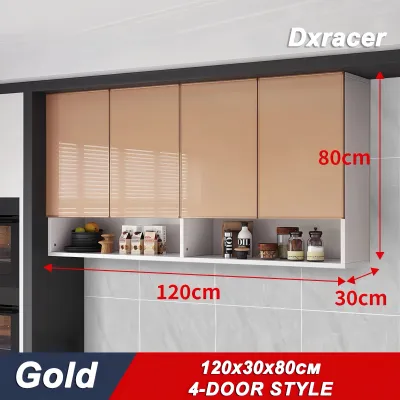
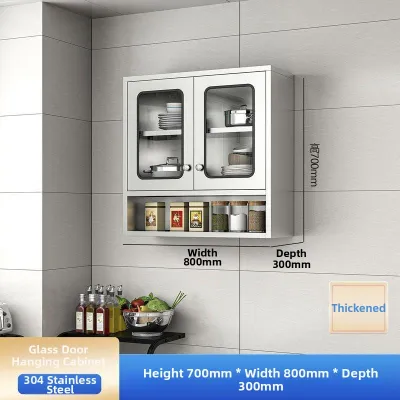
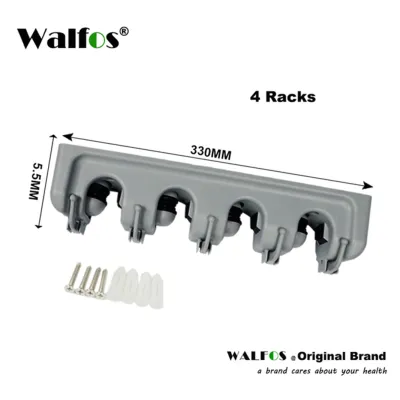
Prices are valid at publication and may change. Please refer to the product page for the latest price.
Sizing and Door Mechanisms for Compact Layouts
Before browsing online marketplaces or visiting local home improvement centers, you must obtain precise measurements of your kitchen’s wall space. Begin by using a reliable steel tape measure to record the width, height, and depth of the intended installation area. It is crucial to measure the distance from the ceiling to the top of your countertop, as well as the clearance around existing fixtures like window frames, light switches, and electrical outlets. Don’t forget to account for the swing path of adjacent appliance doors, such as your refrigerator, microwave, or wall-mounted fan, to prevent costly structural interference after installation.
The choice of cabinet door mechanism plays a significant role in maintaining an efficient workflow within a narrow kitchen aisle. Traditional swing doors require a clear radius equal to the width of the door panel to open fully. In tight galley kitchens or single-wall studio layouts, an open swing door can completely block the passage, forcing you to step aside constantly while cooking. If your kitchen aisle is narrow, sliding doors are a highly practical alternative. Because sliding doors operate entirely within the cabinet’s physical footprint, they do not obstruct the walkway, allowing you to access your stored items without disrupting the flow of movement.
Another critical feature to verify is the presence of adjustable internal shelving. Kitchen storage needs in Filipino households are highly diverse, ranging from tall rice cookers and stockpots to small condiment jars, canned goods, and stacks of plates. Fixed shelves often result in wasted vertical space, as you may be forced to store short items on shelves with high clearance. Look for metal cabinets that feature multiple pre-drilled peg holes or adjustable track systems along the inner walls. This design allows you to customize the shelf heights to match your specific cookware, maximizing every cubic centimeter of internal storage.
Checking Surface Treatments for Humid Kitchens
In the tropical climate of the Philippines, where relative humidity levels can routinely exceed 80 percent, standard untreated metal will quickly succumb to rust and corrosion. Therefore, you must look beyond generic material names like “steel” or “iron” on product listings. Instead, search the product specifications for high-quality surface treatments such as powder coating or galvanization. Powder coating involves electrostatically applying a dry plastic powder to the metal surface and curing it under high heat to create a thick, durable, and non-porous barrier that resists moisture, scratches, and chemical exposure.

Galvanized steel is another excellent option for humid environments. This material has undergone a chemical process where a protective layer of zinc is applied to the steel, preventing oxygen and water from reaching the underlying metal. When reviewing product descriptions, look for terms like “electro-galvanized” or “hot-dip galvanized” steel. Avoid purchasing cabinets that are simply described as “painted metal” without any mention of powder coating or rust-prevention treatments, as standard liquid paint is highly prone to chipping, cracking, and peeling under the influence of kitchen heat and humidity.
Even with a high-quality powder coat, the joints and edges of a metal cabinet remain vulnerable to moisture entry if they are not properly finished. When inspecting a cabinet in person or analyzing close-up product photos, pay close attention to the welded joints and sheet metal edges. High-quality cabinets feature smooth, continuous welds that leave no gaps for steam or water droplets to penetrate. If you notice rough, spot-welded joints with visible gaps, or raw, unpainted metal edges along the back panels, these are potential rust points that could compromise the cabinet’s structural integrity over time.
To preserve the protective finish of your metal cabinet, you must adhere strictly to the manufacturer’s care and maintenance instructions. Avoid using abrasive scrubbing pads, steel wool, or harsh chemical cleaners containing bleach, ammonia, or strong acids, as these substances can micro-scratch or chemically strip the protective powder layer. Instead, clean the cabinet surfaces using a soft microfiber cloth dampened with a mild solution of dishwashing liquid and warm water. Always follow up with a dry towel to remove any residual moisture, especially after heavy cooking sessions that generate significant steam.
Verifying Wall Compatibility and Weight Limits
Installing a heavy metal cabinet on a wall requires careful consideration of the wall’s structural composition. In Philippine residential construction, interior partition walls are commonly built using concrete hollow blocks (CHB), while structural load-bearing walls are typically made of solid poured concrete. Some modern condominiums also utilize drywall or fiber cement boards on light metal frames for interior partitions. You must identify your wall type before purchasing mounting hardware, as each material requires a completely different anchoring system to ensure stability and prevent catastrophic failures.
Solid concrete walls offer excellent load-bearing capacity and are highly compatible with standard metal expansion bolts or sleeve anchors. These anchors expand tightly against the solid concrete when tightened, providing a secure hold for heavy metal cabinets. In contrast, concrete hollow blocks contain large air pockets inside. If you attempt to use standard expansion bolts in a hollow block wall, they may expand into empty space and fail to grip securely. For hollow block walls, you must use specialized toggle bolts, sleeve anchors designed for hollow masonry, or chemical anchors that fill the internal cavities to create a solid bond.
Before loading your cabinet with heavy kitchenware, locate the manufacturer’s stated maximum load capacity on the product specification sheet. This limit is typically expressed in kilograms and represents the maximum weight the cabinet can safely support when properly mounted. Remember that the total load includes the weight of the cabinet itself plus all stored items. Metal cabinets are significantly heavier than their wooden counterparts, meaning they exert a continuous dead load on your wall even when completely empty. Never exceed this stated limit, and always maintain a conservative safety margin.
To ensure long-term stability and prevent the cabinet from pulling away from the wall, plan your storage distribution strategically. Place your heaviest items, such as cast-iron pans, ceramic dinnerware, and large bags of rice, on the lowest shelves of the cabinet or, preferably, in your floor-standing base cabinets. Reserve the upper shelves of the hanging cabinet for lightweight items like plastic food containers, dry spices, packaged snacks, and paper towels. This storage strategy keeps the center of gravity low and minimizes the pulling force exerted on the top mounting brackets, reducing stress on your wall anchors.
Building Your Shortlist: Pre-Purchase Verification
When compiling a shortlist of potential metal hanging cabinets from online marketplaces or local furniture retailers, you must verify the exact contents of the package before finalizing your order. Many manufacturers ship cabinets as flat-pack units to reduce shipping costs, which requires you to assemble and mount the cabinet yourself. Ensure that the product description explicitly states that all necessary mounting hardware, including heavy-duty wall plugs, brackets, screws, and a comprehensive, illustrated assembly manual, are included in the box.
If you plan to assemble the cabinet yourself, review the assembly instructions beforehand if they are available online. A poorly written manual or missing hardware can lead to assembly errors, such as misaligned panels or loose joints, which can severely compromise the cabinet’s structural integrity and load capacity. If you are not confident in your DIY skills, check if the seller offers professional assembly and installation services for a reasonable fee, as professional installers have the specialized tools and experience to mount the cabinet securely on various wall types.
Another critical step in the pre-purchase phase is cross-referencing the fully assembled exterior dimensions of the cabinet with your home’s delivery pathway. Many urban Filipinos live in high-rise condominiums, multi-story townhouses, or apartments with narrow corridors, tight stairwells, and small elevator cabins. Even if the cabinet fits perfectly on your kitchen wall, it will do you no good if the delivery team cannot maneuver the box or the pre-assembled unit through your front door or up the stairs. Measure all doorways, hallway turns, and elevator clearances before placing your order.
Finally, carefully review the seller’s return policy, warranty coverage, and after-sales support procedures. Metal panels can occasionally suffer dents, scratches, or bent corners during transit, especially when shipped over long distances. Ensure the seller has a clear policy for replacing damaged or missing parts upon delivery. Look for products that come with a structural warranty, and verify how to contact their customer service department if you encounter any issues during assembly or installation. A reputable seller should provide prompt support and readily available replacement hardware.
Mounting Heights and Workflow Optimization
Optimizing the mounting height of your metal hanging cabinet is essential for creating a comfortable and safe working environment in a compact kitchen. The standard clearance between a kitchen countertop and the bottom of a hanging cabinet typically ranges from 45 to 60 centimeters. This height provides sufficient space for daily food preparation tasks while keeping the cabinet’s contents within easy reach for an average-height user. However, you should adjust this clearance based on your personal height and the specific appliances you plan to place on your countertop.
If you use tall countertop appliances that release heat or steam, such as rice cookers, electric kettles, or countertop ovens, you must ensure there is adequate vertical clearance to prevent damage to the cabinet’s underside. Continuous exposure to hot steam can accelerate the degradation of even high-quality powder coatings, leading to localized rust over time. If space permits, consider installing a range hood or an exhaust fan nearby to draw steam and grease away from your hanging cabinets, preserving both the finish of the metal and the quality of your indoor air.
You can also maximize the utility of your metal hanging cabinet by utilizing its exterior surfaces for additional storage. Because the cabinet is constructed from steel, the underside and sides are highly compatible with magnetic accessories. You can attach magnetic spice racks, magnetic knife strips, or adhesive utility hooks to the bottom of the cabinet to hang frequently used cooking utensils like ladles, spatulas, and measuring cups. This clever space-saving technique frees up valuable internal shelf space and keeps your countertop clear of clutter, making your small kitchen feel much more organized.
Lastly, ensure that the placement of your hanging cabinet does not obstruct natural lighting or ventilation paths. In a compact kitchen, natural light from a window can make the space feel larger and more inviting, while cross-ventilation is crucial for dispersing cooking odors and heat. Avoid mounting large, bulky cabinets directly adjacent to windows where they might block incoming light or restrict airflow. Additionally, make sure the cabinet does not interfere with existing range hood ducting or ventilation grilles, as a well-ventilated kitchen is your primary defense against humidity-related wear.
Frequently Asked Questions (FAQ)
Can metal hanging cabinets be installed on hollow block walls?
Yes, metal hanging cabinets can be installed on concrete hollow block (CHB) walls, but you must use specialized mounting hardware. Standard plastic wall plugs and expansion bolts are designed for solid concrete and will not hold securely in the hollow cavities of a CHB wall. Instead, you must use heavy-duty toggle bolts, sleeve anchors designed specifically for hollow masonry, or chemical anchoring systems that expand and lock within the hollow spaces. Because metal cabinets are heavy and will carry a significant load of kitchenware, it is highly recommended to consult a qualified carpenter or structural professional to ensure the wall can safely support the weight before proceeding with the installation.
How do I maintain the finish in a kitchen without an exhaust fan?
In a kitchen without an exhaust fan, steam, grease, and moisture from cooking will naturally accumulate on your cabinet’s surfaces, increasing the risk of rust. To protect the metal finish, establish a habit of wiping down the cabinet exterior with a dry, soft microfiber cloth immediately after every cooking session. Keep nearby windows open to promote natural cross-ventilation and reduce indoor humidity levels. Avoid using abrasive scrubbing pads, steel wool, or harsh chemical cleaners containing bleach, ammonia, or strong acids, as these can scratch or strip the protective powder coating. Instead, use a mild mixture of dishwashing liquid and warm water for routine cleaning, and always dry the surfaces thoroughly afterward.

Community discussion
Share your experience or ask a question. Comments are reviewed before publication.