
Quick Answer: Metal or Wood Shelves Rack for Your Study?
Choosing between metal and wood for your home study is not about finding a single, universally superior material. Instead, it is about matching your storage volume, aesthetic preferences, and room conditions to the right structural support. A high-quality shelves rack serves as the functional backbone of an organized workspace, but its performance depends heavily on how it interacts with its environment.
Metal shelving is the practical champion for heavy-duty storage. If you own a massive collection of heavy textbooks, law volumes, or technical manuals, or if your study is located in a high-moisture area of the home, metal is often the safer choice. Its structural integrity remains uncompromised by heavy loads, provided the rust-resistant coating remains intact.
Wooden shelving is the aesthetic and psychological favorite. It excels at creating a warm, quiet, and deeply focused reading environment. When properly sealed and loaded within reasonable limits, wood is highly durable and brings a touch of organic beauty that metal cannot easily replicate.
Products mentioned in this guide
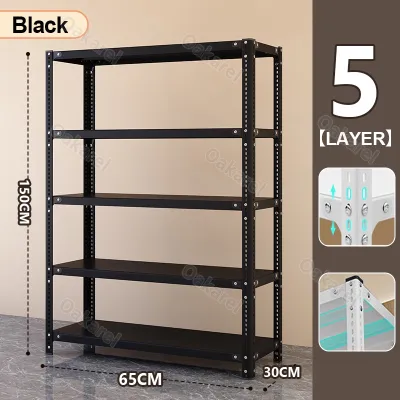
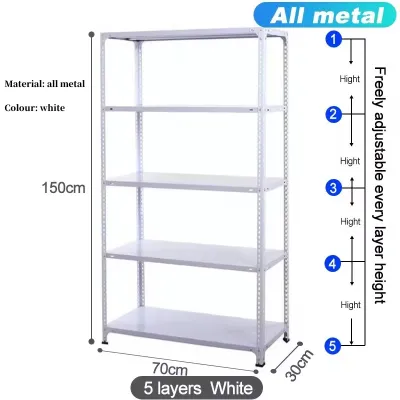
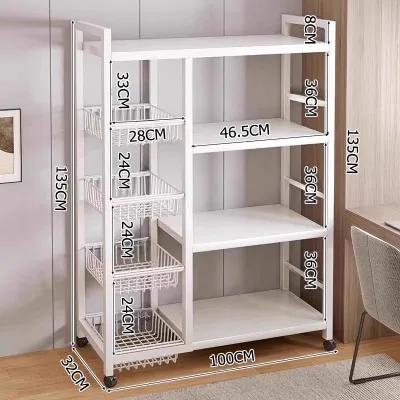
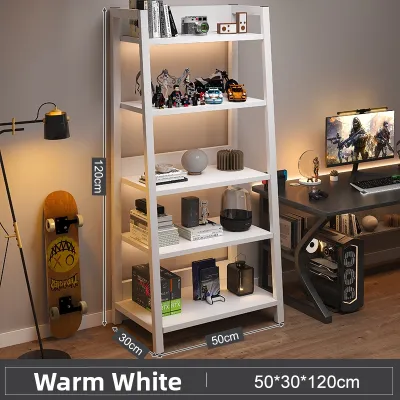
Prices are valid at publication and may change. Please refer to the product page for the latest price.
For many homeowners in the Philippines, a hybrid solution—combining a sturdy metal frame with wooden platforms—offers the ideal balance of heavy-duty support and visual warmth.
Durability and Load-Bearing Capacity for Heavy Books
Storing a dense collection of books exerts continuous, long-term physical stress on any shelving system. Over months and years, this constant downward force can cause shelves to sag, warp, or fail entirely if the material is poorly matched to the load.

Industrial-grade metal shelves offer exceptional load capacity per tier. Most heavy-duty steel racks utilize cold-rolled steel, which provides high tensile strength with a relatively thin profile. When evaluating a metal shelves rack, pay close attention to the steel gauge; a lower gauge number indicates thicker, stronger metal. Additionally, look for structural reinforcements such as welded support channels underneath each shelf and diagonal cross-bracing on the back frame to prevent lateral swaying.
Wooden shelves present a more complex durability profile because performance varies dramatically across wood types. Solid hardwoods, such as local tanguile (often called Philippine mahogany), acacia, or imported oak, possess dense grain structures that resist bending. However, even solid wood will bow over time if the span between supports is too wide. As a general rule, solid wood shelves should not exceed a span of 80 to 90 centimeters without an intermediate support bracket.
Engineered wood options, including Medium-Density Fiberboard (MDF), plywood, and particleboard (chipboard), are highly popular due to their flat surfaces and cost-effectiveness. Plywood offers reasonable strength because of its cross-laminated veneer layers. MDF and particleboard, however, are made of compressed wood fibers or chips bonded with synthetic resins. These materials have significantly lower structural strength and are highly prone to permanent sagging under heavy, concentrated loads. If you choose engineered wood for heavy books, limit the shelf span to 60 centimeters or less, and ensure the boards are at least 18 to 25 millimeters thick.
Before purchasing any shelving system, perform a basic weight calculation. An average shelf filled completely with hardcover textbooks or binders can easily weigh 25 to 35 kilograms per linear meter. Compare this estimate against the manufacturer’s certified weight capacity per shelf. Never assume a shelf can hold heavy books simply because it feels heavy or looks solid; always verify the structural design and rated limits.
Handling Tropical Humidity and Climate Conditions
The tropical climate of the Philippines, characterized by high temperatures and relative humidity levels that frequently exceed 80 percent during the wet monsoon season, presents a harsh environment for furniture. Both metal and wood react to atmospheric moisture, but they do so in fundamentally different ways.
For metal shelving, the primary threat is oxidation, commonly known as rust. If moisture and oxygen reach the raw iron or steel beneath, electrochemical reactions will gradually compromise the metal’s integrity. The durability of a metal shelves rack in a humid room depends entirely on the quality of its surface treatment. Powder coating—where a dry polymer powder is electrostatically applied and cured under heat—creates a dense, continuous, and highly resilient barrier compared to standard wet spray paint.
When inspecting a metal shelf, pay close attention to the joints, welds, and screw holes. These are the areas where the protective coating is most likely to be thin, uneven, or chipped during assembly. Any exposed metal in these crevices will quickly attract condensation, initiating localized rust that can spread beneath the surrounding paint.
Wood is a hygroscopic material, meaning it naturally absorbs and releases moisture to maintain equilibrium with the surrounding air. In a humid study room, raw or poorly sealed wood will swell as it absorbs water vapor, and then contract as the air dries out (such as when an air conditioner is turned on). This continuous cycle of expansion and contraction puts immense stress on joints, which can cause glue lines to fail, screws to loosen, and the wood itself to warp, cup, or split.
To prevent warping, solid wood furniture must be constructed from properly kiln-dried timber and sealed on all sides with a high-quality protective finish, such as polyurethane, lacquer, or marine varnish. If you are opting for engineered wood like MDF or particleboard, the threat is even more severe. These materials rely on intact edge banding to keep moisture out. If the thin plastic (PVC) or veneer edge strip peels or cracks, humid air will penetrate the porous core, causing the wood fibers to swell permanently, bubble, and crumble.
Managing the indoor climate of your home study is crucial for preserving either material. Ensure the room has adequate cross-ventilation to prevent stagnant, humid air from settling in corners. Avoid placing your shelves directly flush against exterior concrete walls, which can transmit moisture from heavy tropical rains; instead, leave a clearance gap of at least 5 centimeters. If the room remains consistently damp, consider using a dehumidifier or running an air conditioner regularly to maintain relative humidity levels between 45 and 60 percent.
Aesthetics and Study Room Integration
A home study is more than just a storage room; it is a space designed for cognitive focus, creative thinking, and productivity. The materials you surround yourself with have a direct psychological and visual impact on the room’s atmosphere.
Wooden shelves bring a timeless, warm, and comforting presence to a workspace. The natural variation in wood grain, the rich tones of stains, and the soft reflection of matte finishes create a classic library feel. This organic aesthetic is closely linked to biophilic design principles, which suggest that incorporating natural elements indoors can reduce stress levels, lower blood pressure, and improve concentration during long working hours.
Wood also offers distinct acoustic advantages. It is a naturally porous material that helps absorb and diffuse sound waves. If your study room has hard tile or polished concrete floors, wooden bookcases can act as highly effective acoustic panels, reducing echo and reverberation. This makes the room significantly quieter and improves the audio quality of your voice during virtual meetings and video calls.
Metal shelves, on the other hand, deliver a clean, modern, and minimalist aesthetic. They are highly compatible with industrial, contemporary, or Scandinavian interior design styles. Because metal is structurally strong in thin profiles, metal shelving units often feature open-back frames and slender supports. This airy construction allows light to pass through, preventing a small or cramped study room from feeling dark and enclosed.
For homeowners torn between these two styles, hybrid shelving units offer an excellent compromise. These designs typically feature a rigid, powder-coated steel frame paired with solid wood or high-quality veneered shelves. The metal frame provides structural stability, slim lines, and high load capacity, while the wooden platforms introduce the visual warmth, tactile comfort, and acoustic benefits of natural timber.
Maintenance, Care, and Long-Term Value
Evaluating the true cost of your study room furniture requires looking beyond the initial purchase price. Understanding the daily maintenance requirements and the long-term repairability of each material will help you determine which option offers the best value over its lifespan.
Metal shelving is exceptionally low-maintenance. Daily care generally involves nothing more than dusting with a dry microfibre cloth or wiping with a slightly damp rag to remove fingerprints. It is highly resistant to staining from spilled ink or water cups. However, you must avoid using abrasive scrubbing pads, steel wool, or harsh acidic cleaners, as these can scratch or degrade the protective powder coating, exposing the steel to potential rust.
Wooden furniture requires a more deliberate maintenance routine. Dust should be removed regularly, and any liquid spills must be wiped up immediately to prevent the formation of permanent water rings or stains. Wood should be kept out of direct, intense sunlight from windows, as prolonged UV exposure can fade stains, dry out finishes, and cause cracking. Depending on the finish, solid wood may benefit from occasional applications of specialized furniture wax or oil to maintain its luster and moisture resistance.
When it comes to repairability, wood holds a clear advantage over metal. If a wooden shelf suffers a deep scratch, gouge, or water stain, it can often be restored. The damaged area can be lightly sanded, filled with color-matched wood putty, and spot-finished with varnish or wax. Conversely, if a metal shelf frame becomes severely dented or bent under an excessive load, it is extremely difficult to restore to its original shape without compromising structural safety. Minor scratches on metal, however, can be easily touched up with a rust-inhibiting paint matching the original color.
From a financial perspective, price bands vary widely in the local market. Budget-friendly shelves are typically constructed from thin engineered wood or lightweight, unreinforced metal, often priced under ₱3,000. Mid-range options, including high-density MDF with premium laminates or sturdy medium-duty steel racks, generally range from ₱4,000 to ₱10,000. Premium investments, such as solid hardwood bookcases or commercial-grade modular steel shelving systems, can exceed ₱20,000 but offer exceptional durability. Always review the manufacturer’s warranty, paying specific attention to clauses covering structural sagging, joint failure, and finish defects.
Decision Framework: Which Shelf Should You Choose?
To make your final decision, systematically evaluate your specific study room conditions, storage needs, and long-term expectations. There is no single correct answer, but matching your priorities to the correct material will ensure your shelving remains functional and attractive for years to come.
Choose metal shelves if:
- You need to store exceptionally heavy items, such as law books, thick medical textbooks, or heavy printers and computer towers.
- Your study room is located in a high-humidity area of the house, such as a ground floor or basement, and you can verify the unit has a high-quality, continuous powder-coated finish.
- You prefer a modern, industrial, or minimalist visual style with slim profiles that maximize visual space.
Choose wooden shelves if:
- You want to create a cozy, warm, and traditional library atmosphere that minimizes echoes and promotes deep concentration.
- Your book collection consists of standard novels, light paperbacks, and decorative items that do not exceed moderate weight limits.
- You can maintain a relatively stable indoor climate with consistent ventilation, low dampness, or regular air conditioning.
Choose a hybrid system if:
- You require the high load-bearing capacity and structural rigidity of a steel frame but refuse to sacrifice the visual warmth and acoustic dampening properties of wooden surfaces.
Before finalizing any purchase, take precise measurements of your available floor space and wall height. Check the clearances of your doorways, hallways, and stairwells to ensure the flat-pack boxes or fully assembled units can be safely delivered into your home. Finally, always read and follow the manufacturer’s specific assembly and anchoring instructions to guarantee a safe setup.
Frequently Asked Questions (FAQ)
Can I use wooden shelves in a room without air conditioning?
Yes, you can successfully use wooden shelves in a non-air-conditioned room, but you must take specific precautions to protect the material from the tropical climate. Choose solid wood that has been thoroughly kiln-dried, or ensure that any engineered wood has high-quality, completely sealed edge banding on all sides. Position the shelves away from direct sunlight and at least 5 centimeters away from exterior concrete walls to prevent moisture transfer. Ensure the room has excellent daily cross-ventilation to keep humidity from pooling around the furniture.
How do I prevent metal shelves from rusting in a humid climate?
To prevent rust on metal shelving in high-humidity environments, start by thoroughly inspecting the powder coating or paint finish during assembly for any chips, scratches, or thin spots. Wipe up any liquid spills immediately using a dry microfibre cloth, and never use abrasive scrubbing pads or harsh chemical cleaners that can compromise the protective seal. If you discover any scratches that expose the bare metal beneath, apply a manufacturer-approved rust-inhibiting touch-up paint immediately to seal the area before oxidation can begin.
What is the best way to anchor tall shelves in a home study?
To ensure a safe environment, any tall shelving unit—whether made of wood, metal, or a hybrid of both—must be securely anchored to the wall to prevent accidental tipping. Always use the anti-tip safety hardware provided by the manufacturer. If you are mounting to a solid concrete or masonry wall common in Philippine homes, use high-quality wall plugs (tox) and masonry screws. If you are mounting to a drywall or hollow block wall, ensure you anchor directly into the wooden or metal studs, or use heavy-duty toggle bolts. If you are unsure of your wall structure or do not have the proper tools, consult a qualified local professional to handle the installation.

Community discussion
Share your experience or ask a question. Comments are reviewed before publication.