
Choosing between a metal and a wooden storage rack for your home office comes down to balancing your room’s environmental conditions, the weight of your items, and your personal design style. In tropical climates like the Philippines, where high humidity can affect furniture longevity, metal racks offer excellent resistance to moisture and heavy loads, while wooden racks provide unmatched aesthetic warmth and a classic study atmosphere. The right choice depends on whether you prioritize industrial durability or traditional design, alongside the specific physical constraints of your workspace.
Key Factors to Evaluate Before Choosing a Rack
Before browsing online marketplaces or visiting local showrooms, you must establish the physical and functional baseline of your home office. A storage rack that looks appealing on a screen might not fit your actual room layout or support the items you intend to store.
Start by taking precise measurements of your available floor space and ceiling height. Do not forget to measure the clearance of your doorways, hallways, and staircase turns. Many homeowners purchase pre-assembled or heavy flat-pack units only to find they cannot navigate the tight corners of a standard residential layout.
Products mentioned in this guide
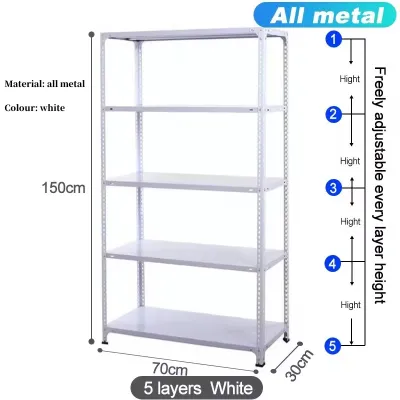
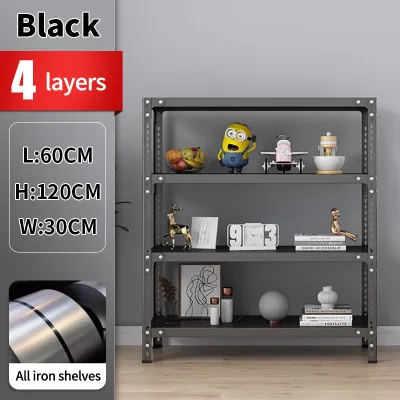
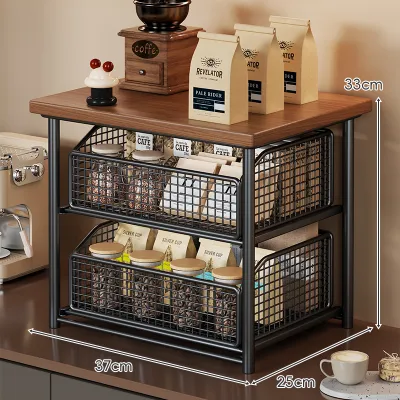

Prices are valid at publication and may change. Please refer to the product page for the latest price.
Next, estimate the total weight and type of items you plan to store. If you are housing a massive collection of heavy law books, technical manuals, or printer equipment, you will require a high load capacity. Conversely, if your storage needs are limited to lightweight decorative items, family photos, and a few stationery boxes, structural load limits become less critical.
Assess the environmental conditions of your specific workspace. In tropical regions, indoor humidity levels can fluctuate significantly, especially in rooms without continuous air conditioning. Direct sunlight exposure through large windows can also affect certain materials over time, making ventilation and room placement key factors in your decision.
Finally, consider your flooring type. Heavy storage units can leave permanent indentations on softer wood laminates or scratch delicate tiles if they lack protective feet. Checking whether a rack includes adjustable leveling feet or rubber floor protectors is a practical step to safeguard your home office floor.
Metal Storage Racks: Durability and Industrial Appeal
Metal storage racks are highly valued for their exceptional structural integrity and modern, utilitarian aesthetic. They are particularly suited for home offices that double as creative studios, tech hubs, or workshops where heavy equipment must be organized efficiently.

When evaluating metal options, always check the manufacturer’s specifications and product labels for the maximum load capacity per shelf. Many metal units feature adjustable shelving systems, allowing you to reconfigure the height of each tier to accommodate changing storage needs over time. This adaptability is highly practical for storing bulky items like desktop towers, paper reams, or storage bins.
Because humidity can accelerate corrosion, it is essential to verify the surface treatment of any metal rack you consider. Look for products with a high-quality powder-coated finish, which provides a robust barrier against rust, moisture, and scratches. A standard painted finish may chip easily, exposing the underlying metal to damp air and leading to premature degradation.
You should also distinguish between solid metal shelves and wire shelving. Wire racks offer excellent ventilation, which helps prevent dust accumulation and allows air to circulate freely around electronic devices. Solid metal shelves, on the other hand, provide a flat, continuous surface that prevents small items or thin book spines from slipping through the gaps.
Aesthetically, metal racks bring a clean, industrial, or minimalist vibe to a workspace. They pair well with modern office furniture, glass-top desks, and exposed concrete or brick walls. If you prefer a sleek, uncluttered environment that feels highly organized and functional, a metal frame can help establish that professional tone.
Wooden Storage Racks: Warmth and Classic Aesthetics
Wooden storage racks bring a sense of organic warmth, elegance, and permanence to a home office. They are the traditional choice for creating a cozy, inviting study or a formal executive workspace that feels integrated with the rest of your home’s decor.
When shopping for wooden shelving, it is important to differentiate between solid wood and engineered wood options, such as medium-density fiberboard (MDF) or particleboard. Solid wood offers greater longevity and robust structural joints, but it requires a higher initial investment and can be sensitive to extreme humidity shifts. Engineered wood is often more budget-friendly and resistant to warping, but it typically has lower weight limits and can suffer from joint weakness if moved frequently.
Wood veneers represent a middle ground, featuring a thin layer of natural wood bonded to an engineered core. This construction provides the visual appeal of real wood grain while offering better resistance to the warping caused by tropical humidity. However, you must check the quality of the edge banding to ensure moisture cannot seep into the inner core.
Caring for wooden furniture in a tropical climate requires consistent attention. You should review the manufacturer’s care instructions regarding moisture protection, routine dusting, and the prevention of surface water rings from cold drinks. Placing a wooden rack directly under an air conditioning vent or in the path of intense afternoon sunlight can cause the finish to fade or the wood to split over time.
Despite these maintenance considerations, the visual appeal of wood remains highly attractive. The natural grain textures and warm tones—ranging from light oak to deep mahogany—complement traditional, Scandinavian, or mid-century modern design themes. A wooden bookcase can make a home office feel less like a sterile corporate cubicle and more like a personalized sanctuary.
Direct Comparison: Metal vs. Wood for Home Office Use
To help you weigh these options side by side, it is helpful to contrast how metal and wood perform across key practical dimensions. Both materials have distinct advantages and trade-offs that will influence your daily use and long-term satisfaction.
| Feature | Metal Storage Racks | Wooden Storage Racks |
|---|---|---|
| Structural Stability | High load capacity; resistant to bending under heavy weight. | Moderate to high load capacity; solid wood is highly stable, engineered wood may sag over time. |
| Assembly Complexity | Often features boltless, snap-together assembly or simple screw configurations. | Typically requires cam-locks, dowels, and precise alignment; can be time-consuming. |
| Maintenance Needs | Low; requires occasional wiping with a damp cloth; rust-resistant if powder-coated. | Moderate; requires dusting, wood polish, and protection from high humidity and liquid spills. |
| Aesthetic Versatility | Best for industrial, modern, minimalist, or high-tech office designs. | Best for classic, cozy, rustic, Scandinavian, or executive office designs. |
| Environmental Sensitivity | Highly resistant to humidity if treated; unaffected by dry heat. | Sensitive to moisture fluctuations; prone to warping, swelling, or mold if untreated. |
When reviewing the ₱ price tags on online marketplaces or in local furniture shops, remember to calculate the total cost of ownership. Metal racks are often more economical to ship and assemble due to their flat-pack, lightweight components. Wooden racks, particularly solid wood units, may incur higher delivery fees due to their weight and may require professional assembly services to ensure the structural joints are secured correctly.
How to Decide: A Practical Selection Framework
Making your final decision requires matching your primary office needs with the inherent strengths of each material. By applying a few conditional rules, you can quickly narrow down the most suitable option for your workspace.
You should choose a metal storage rack if your priority is maximum load capacity, high resistance to tropical humidity, or an industrial design aesthetic. Metal is also a practical choice if you anticipate moving your office setup frequently, as these units are generally easier to disassemble and reassemble without compromising their structural integrity.
On the other hand, you should choose a wooden storage rack if you prioritize aesthetic warmth, natural textures, or a classic study vibe. Wood also offers natural acoustic dampening properties, which can help reduce echo during virtual meetings in rooms with hard tile or terrazzo flooring.
Regardless of the material you select, always verify if wall anchoring is possible in your home office before purchasing a tall unit. You must also consider the floor load limits of your room, especially if you live in a multi-story residential building or are placing multiple heavy storage units along a single partition wall.
Frequently Asked Questions (FAQ)
Can I mix metal and wooden racks in the same home office?
Yes, combining metal and wooden elements can create a highly sophisticated, transitional look in your workspace. The key to mixing these materials successfully is balancing their visual weight and matching their design details. For example, you can choose a metal rack with wooden shelves to bridge the gap between the two styles. Alternatively, you can use a sleek metal rack for your heavy printer, tech accessories, and filing boxes, while placing a classic wooden bookcase behind your desk to serve as a warm, professional backdrop for video calls. Try to match the metal hardware of your wooden furniture with the finish of your metal rack to maintain a cohesive color palette.
How do I prevent a tall storage rack from tipping over?
Preventing a tall storage rack from tipping over is a critical safety step, especially if you store heavy items on the upper shelves. Always check the product manual for included anti-tip kits and follow the installation instructions carefully. To secure the unit, you must locate the wall studs behind your drywall or use appropriate masonry anchors if you are mounting directly into concrete or hollow-block walls. Never rely on simple adhesive strips or lightweight plastic ties; instead, use heavy-duty L-brackets or steel cable straps anchored firmly into both the wall structure and the frame of the rack.

Community discussion
Share your experience or ask a question. Comments are reviewed before publication.