
Finding the right mini table for study in a small bedroom is a balancing act between maximizing limited floor space and maintaining a functional work surface. For most compact bedrooms, a study table measuring 60 to 80 centimeters in width and 40 to 50 centimeters in depth offers the ideal compromise. This size easily accommodates a standard laptop, a mouse, and a notebook while leaving enough room to move around the bed and wardrobe.
In tropical climates like the Philippines, where high humidity can affect indoor air circulation, cramming oversized furniture into a small room can lead to stagnant air pockets and moisture buildup behind panels. Selecting a compact desk with a minimal footprint not only keeps your room feeling open but also promotes better ventilation. By focusing on precise measurements and smart placement, you can create a highly productive workspace without sacrificing the comfort of your sleeping area.
Assessing Your Bedroom Space and Table Footprint
Before browsing an online marketplace or visiting a local showroom, you must accurately map out your bedroom floor plan. Use a steel tape measure to record the length and width of the specific zone where you plan to place the desk. Pay close attention to unused alcoves, recessed walls, or the narrow gap beside your bed, as these often serve as excellent spots for a dedicated study corner.
Products mentioned in this guide
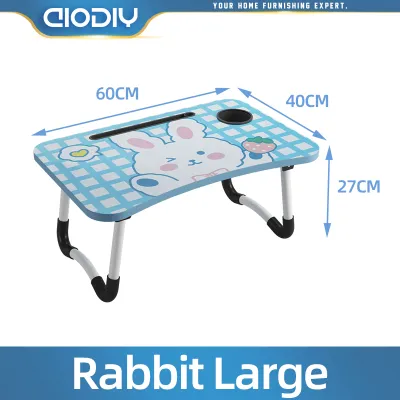
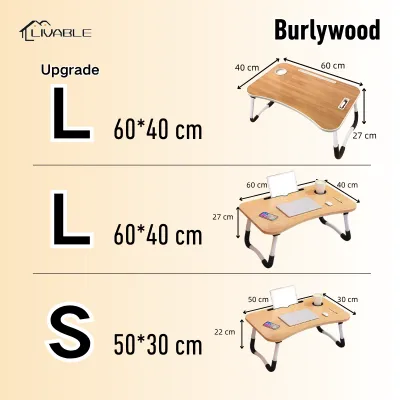
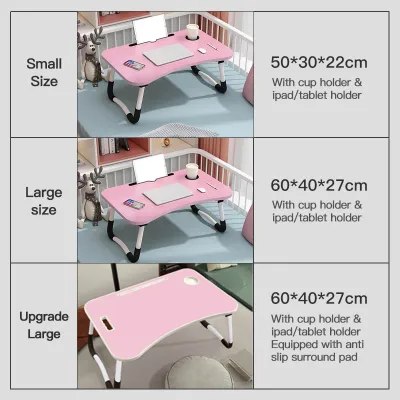
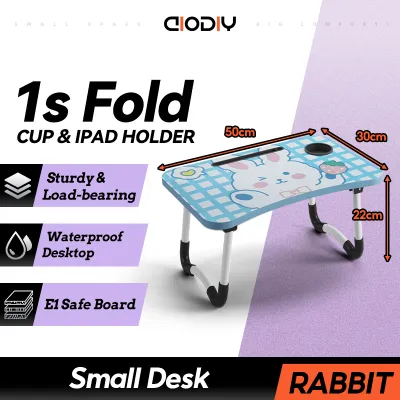
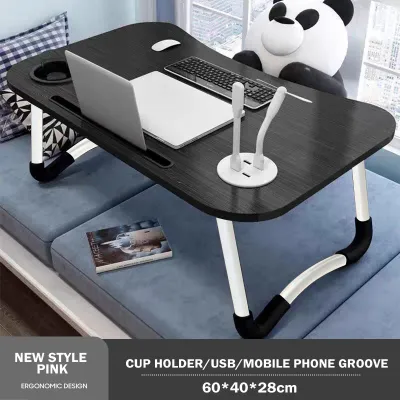
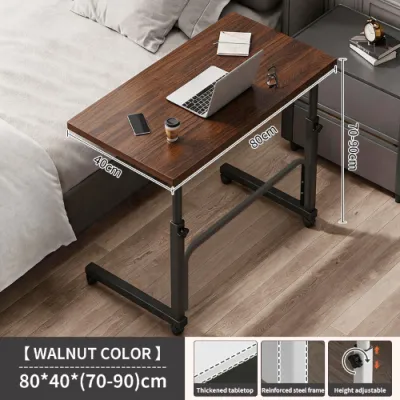

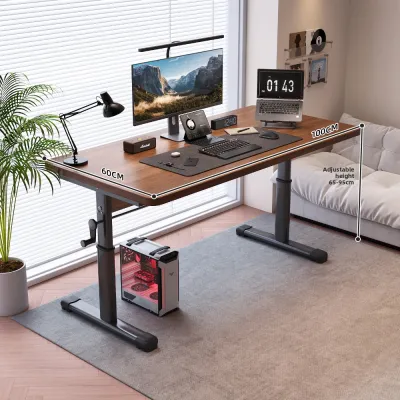
Prices are valid at publication and may change. Please refer to the product page for the latest price.
Traffic flow is the next critical factor to evaluate. A study table should never obstruct the natural pathways you use daily, such as the route from the doorway to the bed or from the bed to the wardrobe. To test this, temporarily mark the proposed table footprint on the floor using masking tape. Leave the tape in place for a day to see if you naturally trip over the boundaries or if it restricts your movement during your daily routine.
Architectural details can easily disrupt your installation plans if overlooked. Check for baseboards along the bottom of the walls, as they can prevent a flat-backed desk from sitting completely flush, leaving a small gap where pens and papers can fall. Additionally, note the height of window sills to ensure the desk surface does not block window handles, and locate all wall outlets to confirm you can plug in your laptop charger and desk lamp safely. In rooms with wall-mounted electric fans or air conditioning units, ensure the desk is positioned away from direct drafts or potential condensation drips.
Balancing Desktop Space for Laptops and Books
The depth of your mini table for study directly impacts your physical comfort and eye health during long study sessions. A desktop depth of 40 to 50 centimeters is generally the minimum required to position a laptop screen at a safe viewing distance. This depth ensures you do not have to crane your neck or sit too close to the display, while still leaving enough room in front of the screen to rest your wrists comfortably on the desk surface.

Width is equally important and depends heavily on your daily study habits. If your work is entirely digital, a narrow width of 60 centimeters is perfectly adequate for a laptop and a compact mouse pad. However, if you frequently refer to physical textbooks, write in paper notebooks, or use a tablet alongside your computer, a width of 80 centimeters is highly recommended. This extra space prevents your materials from overlapping, reducing clutter and helping you stay organized.
Ergonomic alignment must not be compromised, even when using a smaller table. Standard study desks typically feature a fixed height of 72 to 76 centimeters, which is designed to suit average adult heights. Because mini tables rarely come with height-adjustment mechanisms, you must pair the desk with an adjustable office chair. If your feet do not rest flat on the floor once the chair is adjusted to the desk height, use a simple footrest to maintain proper posture and prevent lower back strain.
Evaluating Space-Saving Table Configurations
When floor space is exceptionally tight, alternative desk designs can offer creative solutions without cluttering your bedroom. Fold-down and wall-mounted tables are highly effective because they can be folded flat against the wall when your study session is over. Before choosing this option, you must verify your wall structure and the required mounting hardware. Solid concrete or brick walls, which are standard in many local homes, provide excellent support for heavy-duty masonry anchors, whereas hollow drywall partitions require locating studs or using specialized toggle bolts to prevent the desk from pulling away under load.
Corner desks and L-shaped mini tables are excellent for utilizing awkward, underused angles in your bedroom. By fitting snugly into a corner, these designs provide a surprisingly generous desktop surface while keeping the center of the room completely open. The main trade-off is layout flexibility; once a corner desk is installed, rearranging your bedroom furniture in the future becomes much more difficult.
Desks with built-in vertical storage or overhead shelves are perfect for keeping books and stationery within arm’s reach without expanding the table’s footprint. However, you must measure the total height of the unit carefully before purchasing. Ensure the top shelves do not block natural light from nearby windows, interfere with wall-mounted light fixtures, or obstruct the path of a rotating ceiling fan or wall-mounted fan.
Measuring Clearances and Avoiding Common Fit Errors
A successful installation requires looking beyond the physical dimensions of the desk itself and accounting for the space needed to use it. The most common oversight is failing to calculate chair push-back clearance. You need a clear space of at least 60 to 75 centimeters behind the desk to pull out your chair, sit down comfortably, and stand up without bumping into your bed frame, wardrobe, or walls.
You must also verify the swing arcs of all doors in the immediate vicinity. Ensure that the bedroom door, closet doors, and any under-bed storage drawers can open fully without colliding with the desk or your study chair. If a door swing is blocked even slightly, it can cause daily inconvenience and increase the risk of accidental scratches or dents on your furniture.
Finally, avoid common sizing mistakes by checking the structural design of the table legs. Thick wooden legs, wide metal trestles, or built-in side drawers can significantly reduce the actual legroom underneath the desktop. Always verify the inner clearance width between the table legs to ensure your study chair can slide completely under the desk when not in use, keeping your walkways clear. Additionally, make sure the desk frame does not block access to wall outlets, which can pinch power cords and create electrical hazards.
Frequently Asked Questions (FAQ)
How much space should I leave between the study table and the bed?
You should aim for a minimum clearance of 60 centimeters between your study table and the bed frame. This distance allows you to walk through the gap comfortably and gives you enough room to change your bedsheets without struggle. If your bed has built-in under-bed storage drawers, increase this clearance to at least 90 centimeters so you can pull the drawers out completely without hitting the desk legs.
Can a mini study table fit in a room with a built-in wardrobe?
Yes, a mini study table can fit alongside a built-in wardrobe if you plan around the wardrobe’s door mechanism. For wardrobes with traditional swing doors, place the desk completely outside the door’s swing radius to ensure you can still access your clothes. If space is extremely limited, position the desk next to a wardrobe with sliding doors, which do not require any front clearance to open and close.

Community discussion
Share your experience or ask a question. Comments are reviewed before publication.