
Achieving a serene, balanced Japandi living room relies heavily on selecting the right anchor furniture. A sofa set for living room minimalist designs serves as the focal point of this hybrid style, which seamlessly blends Japanese minimalism with Scandinavian warmth. To successfully capture this aesthetic, the ideal sofa must prioritize low-profile silhouettes, clean geometric lines, natural materials, and a neutral color palette. By focusing on organic textures like solid wood, linen, and subtle woven accents, you can create a space that feels both highly functional and deeply calming. In the tropical climate of the Philippines, where air circulation and light are essential, choosing a minimalist sofa with breathable fabrics and elevated legs can also enhance the overall sense of openness and comfort in your home.
Core Elements of Japandi Minimalist Design
The Japandi aesthetic is a thoughtful fusion of two distinct yet harmonious design philosophies: Japanese wabi-sabi and Scandinavian hygge. Japanese wabi-sabi teaches us to find beauty in imperfection, simplicity, and the natural life cycle of materials. It encourages the use of raw textures, weathered wood, and asymmetrical balance. On the other hand, Scandinavian hygge emphasizes warmth, comfort, and cozy functionality, ensuring that a minimalist space never feels cold, sterile, or uninviting. Together, these concepts create an environment that is highly curated yet deeply comfortable.
In a Japandi living room, clean lines and uncluttered spaces are paramount. Every piece of furniture must serve a clear purpose, eliminating unnecessary ornamentation to allow the mind to rest. This layout relies heavily on the Japanese concept of ma, or negative space, which treats the empty areas around furniture as active design elements. By leaving ample room to move and breathe, the home becomes a sanctuary from the busy outside world.
Products mentioned in this guide
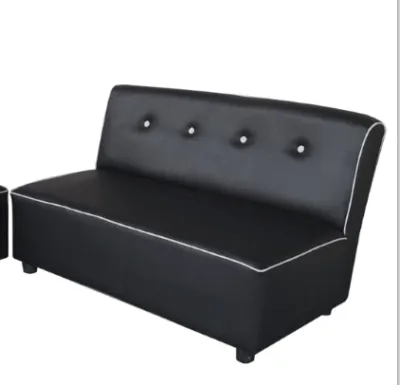
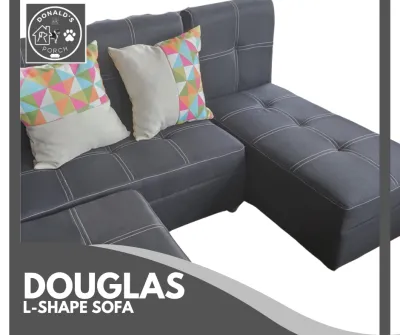

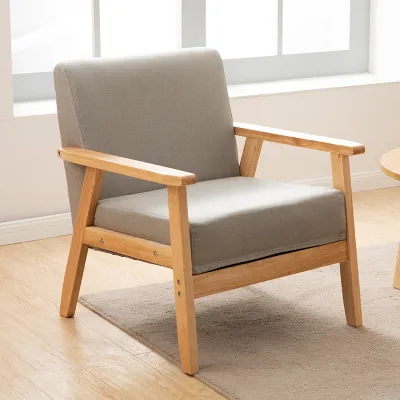
Prices are valid at publication and may change. Please refer to the product page for the latest price.
A minimalist sofa set acts as the visual and functional anchor of this entire design scheme. Because it is typically the largest furniture piece in the room, its form, material, and placement dictate the atmosphere of the surrounding space. A well-chosen sofa sets the tone for the rest of the room, guiding the selection of accent tables, lighting, and floor coverings while maintaining a sense of quiet sophistication.
Key Minimalist Sofa Styles for a Japandi Aesthetic
When searching for a sofa set for living room minimalist layouts, the overall silhouette, leg height, and arm structure play a critical role in defining the design. A bulky, overstuffed sofa can quickly overwhelm a minimalist room, whereas a piece with clean lines and a lighter visual weight preserves the open, airy feel characteristic of Japandi interiors. By focusing on specific structural profiles, you can find a style that balances comfort with architectural simplicity.

Low-Profile Wooden Frame Sofas
Low-profile wooden frame sofas are a cornerstone of the Japandi aesthetic, drawing inspiration from traditional Japanese floor seating. These sofas feature a low-slung silhouette that sits closer to the ground, which visually raises the ceiling and makes the living room feel more spacious. The exposed wooden frame provides a warm, organic border that highlights the beauty of natural timber, creating a direct connection to the outdoors.
When evaluating these sofas, pay close attention to the visible joinery and the quality of the wood finish. Look for traditional woodworking details, such as mortise-and-tenon joints, which indicate sturdy construction and add subtle visual interest. Avoid frames with highly glossy, thick polyurethane coatings or synthetic-looking stains. Instead, check for matte, oil-rubbed, or low-sheen protective finishes that preserve the natural grain, texture, and color of the wood.
The comfort of a low-profile sofa depends heavily on the cushion design. Since the frame is rigid and low, the cushions must provide adequate support without looking bulky. Assess the cushion thickness and foam density; high-density foam wrapped in a soft fiber layer offers a structured look that retains its shape over time while providing a comfortable, supportive seat.
Structured Track-Arm Linen Sofas
For a look that leans slightly more toward Scandinavian modernism, a structured track-arm sofa upholstered in linen or a linen blend is an excellent choice. Track arms are straight, flat, and square, creating clean geometric lines that align perfectly with minimalist principles. This arm style maximizes the actual seating width of the sofa while keeping the overall footprint compact, making it highly suitable for urban living spaces.
The choice of upholstery fabric is crucial for softening the straight lines of a track-arm sofa. Natural textile weaves, such as linen and cotton blends, introduce a tactile quality that prevents the minimalist design from looking sterile or clinical. These fabrics are highly breathable, which is a significant advantage in warm, humid climates, as they help keep the seating surface cool and comfortable.
To maintain the calming atmosphere of a Japandi living room, pair these structured silhouettes with soft, neutral earth tones. Shades of oatmeal, sand, stone, and muted taupe work beautifully. These colors reflect natural light, enhancing the brightness of the room while providing a versatile backdrop for seasonal accents like simple throw pillows or woven blankets.
Rattan-Accent Minimalist Sofas
Integrating woven natural elements into your sofa design is a wonderful way to add warmth, texture, and local character to a Japandi living room. Rattan-accent minimalist sofas utilize woven rattan or wicker panels on the armrests, backrest, or side panels. This design choice introduces a delicate, semi-transparent texture that allows light and air to pass through, reinforcing the open feel of the room.
When selecting a sofa with rattan elements, it is important to verify the structural integrity of the woven components. Rattan should be tightly woven, free of splitting or fraying, and securely attached to a solid wood frame. Check the manufacturer’s specifications regarding weight capacity and frame reinforcement to ensure the sofa can withstand daily use without sagging or weakening.
To keep the look modern and minimalist rather than rustic or tropical-themed, ensure the rattan is used as a subtle accent rather than the primary material. Pairing woven rattan panels with a sleek, solid wood frame and soft, neutral fabric cushions creates a balanced, sophisticated look that embodies the refined simplicity of Japandi design.
Material and Upholstery Selection Guide
Selecting the right materials is essential for ensuring your minimalist sofa set remains beautiful and functional for years to come. When evaluating frames, prioritize solid wood over engineered alternatives like particleboard or medium-density fiberboard (MDF). Solid hardwoods, such as ash, oak, or sustainably sourced local hardwoods, offer superior durability, weight, and joint stability. You can identify solid wood by checking the weight of the piece, examining the grain pattern for natural variations, and reviewing the manufacturer’s material specifications.
Upholstery selection requires a careful balance between aesthetic appeal and practical durability. Natural fibers like linen, cotton, and wool blends offer unmatched texture and a relaxed, organic look. However, they can be more susceptible to staining and wear. Synthetic blends, such as polyester-linen mixes, often provide the advantages of both worlds: they mimic the look and feel of natural fibers while offering enhanced stain resistance, colorfastness, and durability.
Before making a purchase, always read the fabric care labels and check the rub count, which measures a fabric’s resistance to abrasion. For a high-traffic living room, look for fabrics with a heavy-duty rating, typically indicated by a Wyzenbeek or Martindale rub count of 15,000 or higher. Additionally, check if the cushion covers are removable and machine-washable or dry-cleanable, as this makes maintaining a light-colored sofa much more manageable. Keep in mind that a material name alone does not guarantee performance; always verify the specific finish, joint construction, and care instructions for your exact environment.
Sizing and Space Planning for Minimalist Layouts
Proper space planning is critical to achieving the uncluttered, harmonious flow of a Japandi living room. Begin by measuring your available floor space accurately. When planning the layout, remember to account for negative space (ma). Avoid crowding the room with too many pieces; instead, leave at least 45 to 60 centimeters of clearance between the sofa and the coffee table, and at least 90 centimeters for major walkways to ensure comfortable movement.
Proportional scaling is especially important in rooms with low ceilings or open-plan layouts. In a room with a low ceiling, a low-profile sofa will help create the illusion of height. For open-plan living areas, a modular minimalist sofa set can be used to define the living zone without blocking sightlines or natural light. Choose a sofa length that leaves ample wall space on either side to prevent the room from feeling cramped.
Finally, do not overlook the logistics of delivery and installation. Measure the width, height, and diagonal clearance of all doorways, hallways, stairwells, and elevator doors that the sofa must pass through to reach your living room. If your home has tight access points, consider a modular sofa design or a sofa with removable legs and cushions to ensure a smooth, damage-free delivery process.
Pre-Purchase Evaluation Checklist
Before finalizing your purchase of a minimalist sofa set, use this practical checklist to verify its quality, comfort, and suitability for your home:
- Frame Rigidity and Stability: Gently shake the sofa from side to side to check for any wobbling, creaking, or flexing. The frame should feel solid and completely rigid.
- Leg Leveling: Ensure all legs rest flat on the floor. If your living room floor is slightly uneven, look for sofas with adjustable leveling feet.
- Color Consistency: View fabric swatches under different lighting conditions. Natural light can make neutral colors look warmer or cooler, so check the fabric in your actual living room if possible.
- Cushion Resilience: Sit on the sofa for several minutes to test the support. The cushions should compress comfortably but recover their shape quickly when you stand up.
- Assembly and Connections: If purchasing a modular sofa, inspect the connection brackets to ensure they hold the modules securely together without slipping. Review the assembly instructions to confirm if specialized tools are required.
- Warranty Terms: Check the manufacturer's warranty details, specifically looking for coverage on the structural frame, suspension system, and cushion cores.
Frequently Asked Questions (FAQ)
Can I mix different wood tones in a Japandi living room?
Yes, you can mix different wood tones, but doing so requires a mindful approach to maintain a cohesive minimalist look. Instead of trying to match wood species exactly, focus on matching the undertones of the wood. For example, pair warm undertones like oak and teak together, or keep cool, grayish wood tones consistent throughout the room. To prevent the space from looking cluttered, limit your palette to two or three distinct wood finishes. You can also use neutral-colored area rugs, textiles, or cushions to create a visual buffer between different wood elements, such as a wooden sofa frame sitting on a wooden floor.
How do I maintain light-colored natural fabric sofas?
Maintaining a light-colored natural fabric sofa in a busy household requires a consistent, low-risk care routine. Vacuum the upholstery weekly using a soft brush attachment to remove dust, pet dander, and loose dirt before they become embedded in the fibers. For minor spills, blot the area immediately with a clean, dry white cloth; never rub, as this can push the stain deeper into the weave. Always check the manufacturer’s cleaning code on the care label before applying any water or mild detergent. If a stain persists or if the fabric requires deep cleaning, it is recommended to stop DIY attempts and consult a professional fabric care service to avoid water spotting or fabric shrinkage.

Community discussion
Share your experience or ask a question. Comments are reviewed before publication.