
Finding the right stove cabinet rack to place beside your cooking area can transform your daily meal preparation from a chaotic search for ingredients into a seamless, efficient workflow. Positioning a mobile cart or storage rack next to your stove keeps essential oils, spices, utensils, and heavy cookware within arm’s reach, reducing the time you spend walking back and forth across the kitchen. However, selecting a suitable unit requires balancing physical space constraints, safety clearances near open flames, and the high-humidity conditions typical of tropical kitchens. By focusing on structural stability, material durability, and mobility features, you can find a storage solution that enhances your cooking environment while maintaining a safe and organized home.
Key Factors for Choosing a Stove-Side Cart or Rack
Before purchasing any stove cabinet rack, you must carefully measure the physical footprint of your kitchen’s cooking zone. Start by measuring the exact width, depth, and height of the floor space directly adjacent to your stove, taking into account any baseboards or wall outlets that might restrict placement. It is equally important to check the clearance paths for nearby appliance doors, such as your oven, refrigerator, or adjacent cabinet drawers, ensuring that the cart does not obstruct their full range of motion. Leave a comfortable walking path of at least 90 centimeters between the cart and any opposing countertops or kitchen islands to prevent tight bottlenecks during busy meal prep times.
Assessing your weight capacity requirements is another critical step that depends entirely on what you plan to store. If you intend to use the cart for heavy kitchen appliances like a stand mixer, a microwave, or cast-iron cookware, you must verify the manufacturer’s specified weight limits for both individual shelves and the overall frame. Placing heavy items on a rack that is not rated for high load capacities can lead to structural sagging, joint failure, or even a dangerous tip-over incident. Always cross-reference the weight of your heaviest kitchen items with the product’s official specifications before making a final decision.
Products mentioned in this guide
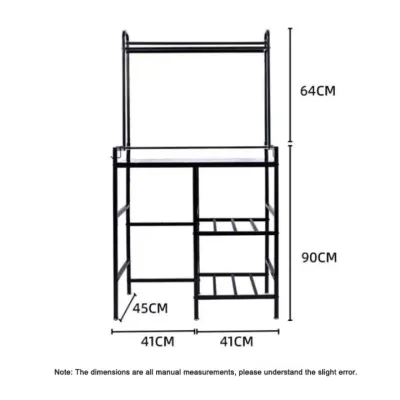
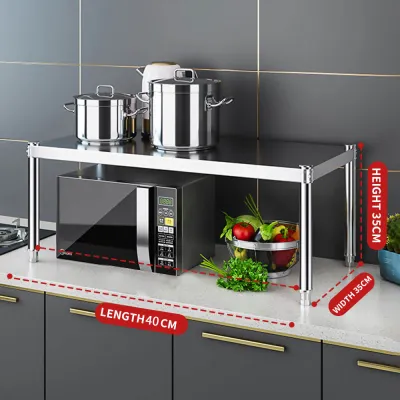
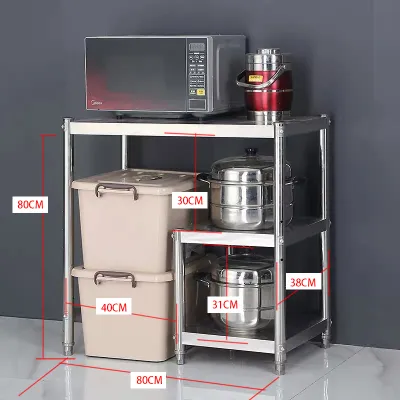
Prices are valid at publication and may change. Please refer to the product page for the latest price.
The choice between mobile casters and stationary feet directly impacts how you will interact with your stove-side storage. Mobile carts equipped with wheels offer the flexibility to roll your ingredients closer to the prep area and then tuck the unit away when cleaning the kitchen floor. If you opt for mobility, ensure the cart features high-quality, 360-degree swiveling casters with robust locking mechanisms on at least two of the wheels to keep the unit firmly in place during use. For kitchens with uneven tile floors or those where the cart will remain permanently in one spot, stationary leveling feet may provide greater stability and prevent any unwanted wobbling.
The environment immediately surrounding a stove is subject to intense heat, steam, and airborne grease, which can rapidly degrade low-quality materials. In tropical climates like the Philippines, high ambient humidity further accelerates the rusting of untreated metals and the warping of unsealed wood. When evaluating materials, look for options with protective finishes, such as powder-coated steel, rust-resistant stainless steel, or moisture-sealed hardwoods. Always review the manufacturer’s product care labels to confirm whether the materials can withstand the specific temperature fluctuations and moisture levels of a stove-side placement.
Types of Mobile Kitchen Carts and Storage Racks
Butcher block top carts are frequently chosen for their ability to expand your active food preparation area right next to the stove. These units feature a thick, solid wood top that can serve as an auxiliary cutting board or a landing zone for prep bowls, provided you verify the wood’s specific treatment and heat resistance limits. Because raw wood can absorb moisture and harbor bacteria, it is essential to check if the butcher block has been pre-sealed with food-safe mineral oil or a protective polyurethane finish. Keep in mind that even treated wood tops should not be used as a direct resting place for hot pots straight from the burner unless the manufacturer explicitly states it is safe to do so.

For kitchens with extremely limited floor space, slim slide-out racks offer an ingenious way to utilize the narrow gaps between your stove and adjacent cabinets or walls. These ultra-narrow units are designed to slide forward on small wheels, revealing multiple tiers of storage for spice jars, condiment bottles, and canned goods. When selecting a slim slide-out rack, pay close attention to tier stability and the maximum load capacity per shelf, as these tall, narrow structures can become top-heavy and prone to tipping if overloaded. Look for models with built-in side guardrails on each shelf to prevent tall bottles from falling over when the rack is pulled out quickly.
Open shelving utility carts provide immediate, unobstructed access to your most frequently used cooking tools, mixing bowls, and dry ingredients. These versatile carts typically feature two to four open tiers, allowing you to grab what you need without having to open doors or pull out drawers mid-cook. To maximize the utility of an open cart, look for models that offer adjustable shelf heights so you can customize the spacing for tall oil bottles or bulky pots. Additionally, verify that the shelves feature raised lip edges or wire mesh borders, which prevent round items like spice containers or rolling garlic cloves from sliding off the sides when the cart is moved.
Enclosed cabinet carts are an excellent choice if you prefer a clean, minimalist kitchen aesthetic and want to shield your stored items from airborne grease and dust. These units feature solid doors or drawers that hide clutter from view, making them ideal for storing small appliances, clean dish towels, or backup pantry supplies. When evaluating enclosed carts, inspect the durability of the door hinges and drawer glides, as these moving parts will experience frequent wear and tear near the cooking zone. Furthermore, check if the cabinet back panel includes ventilation holes or slatted designs, which are crucial for preventing moisture buildup and musty odors inside the enclosed space.
Safety and Clearance Requirements Near the Stove
Operating a storage cart in close proximity to a stove requires strict adherence to safety clearances to prevent fire hazards and structural damage. You must maintain the manufacturer-recommended clearance distances between your stove’s burners and any combustible materials on your cart, such as wooden frames, plastic bins, or fabric towels. Even if your cart is constructed of metal, placing it too close to an active burner can cause the frame to absorb intense heat, making it painful or dangerous to touch during cooking. Always consult both your stove’s installation manual and the cart’s specifications to establish a safe operating distance.
The items you choose to store on your stove-side rack must be curated with fire safety in mind. Never store highly flammable liquids, cooking sprays, aerosol cans, paper towels, or cardboard packaging on shelves that are directly adjacent to or level with the cooktop. The radiant heat from gas burners or electric coils can cause pressurized aerosol cans to rupture or ignite dry paper products within seconds. Keep these sensitive items stored in lower cabinets or on the side of the cart furthest away from the heat source to minimize any risk of accidental combustion.
Ensuring the physical stability of your cart during active kitchen tasks is paramount to preventing spills and injuries. Whenever you use a mobile cart as a stationary prep station—whether you are chopping vegetables, mixing batter, or resting heavy bowls—you must fully engage all locking mechanisms on the casters. Failing to lock the wheels can cause the cart to roll unexpectedly under downward pressure, leading to sharp knives slipping or hot liquids spilling onto the floor. If your cart only has two locking wheels, position the locked side closest to you to provide the maximum resistance against lateral movement.
A poorly positioned kitchen cart can inadvertently create safety hazards by blocking access to critical stove components. Verify that the height, depth, and placement of your cart do not obstruct your ability to reach the stove’s control knobs, oven door handles, or emergency gas shut-off valves. Additionally, ensure the cart does not interfere with the airflow of your range hood, wall-mounted exhaust fans, or built-in ventilation systems. Keeping these areas completely clear ensures that you can react quickly in an emergency and that your kitchen’s ventilation system can effectively remove heat, steam, and smoke.
Maintenance and Cleaning for Kitchen Carts
To preserve the appearance and structural integrity of your stove cabinet rack, you must follow the manufacturer’s specific care instructions for its surface materials. For wooden surfaces and butcher block tops, this often involves periodic applications of food-safe mineral oil to prevent the wood from drying out, cracking, or absorbing food juices. Stainless steel and powder-coated metal frames, on the other hand, should be cleaned with mild dish soap and a soft microfiber cloth to avoid scratching the protective finish. Avoid using harsh abrasive scrubbers or chemical bleach, which can strip away protective coatings and leave the underlying metal vulnerable to rust.
The area surrounding a stove is prone to a fine mist of cooking oil that settles on nearby surfaces, combining with dust to form a sticky, stubborn layer of grease. Establish a regular weekly routine for degreasing your cart’s shelves, frame, and wheels using a warm water solution mixed with a grease-cutting dish soap or a mild vinegar solution. Pay special attention to the caster wheels and axle mechanisms, as accumulated grease and hair can clog the bearings, making the cart difficult to roll and potentially scratching your kitchen floors. Keeping the wheels clean ensures smooth mobility and extends the lifespan of the rolling hardware.
Over time, the physical vibrations from rolling your cart across the floor and the weight of stored items can cause structural hardware to loosen. Periodically inspect all screws, bolts, joints, and caster attachments to ensure they remain tightly secured and properly aligned. If you notice any slight wobbling or structural play when moving the cart, use the appropriate hand tools to gently tighten the loose fasteners according to the assembly instructions. Regular hardware checks prevent minor joint looseness from developing into major structural failures that could compromise the safety of the unit.
Despite diligent maintenance, kitchen carts exposed to high heat and humidity will eventually reach the end of their functional lifespan. If you observe severe structural warping in wooden frames, deep rust that compromises the strength of metal joints, or a complete failure of the wheel caster housing, you should stop using the cart immediately. Continuing to load a structurally compromised rack with heavy kitchen items poses a serious safety risk to everyone in the household. In such cases, consult the manufacturer’s customer service for replacement parts or seek professional repair advice before attempting to use the unit again.
Frequently Asked Questions (FAQ)
Can I place a wooden kitchen cart directly next to a gas stove?
Placing a wooden kitchen cart directly next to a gas stove requires careful consideration of safety clearances, local fire codes, and the stove manufacturer’s specific guidelines. Wood is a combustible material that can dry out, scorch, or ignite if exposed to continuous radiant heat or open flames over time. To use a wooden cart safely near a gas stove, you must maintain the recommended clearance distances specified by your stove’s manufacturer, which often require several inches of open space. Additionally, ensure the wood has been treated with heat-resistant finishes and perform regular maintenance to check for signs of drying or discoloration. Always review your cart’s warranty and material specifications to confirm its explicit heat tolerance limits before positioning it near any active heat source.
How do I stop a mobile kitchen cart from rolling while chopping?
To prevent a mobile kitchen cart from rolling or shifting while you are chopping ingredients, start by ensuring that all built-in wheel locks are fully engaged. If your cart only features locks on two of its four casters, make sure those locked wheels are positioned on the side where you are applying downward pressure. If the cart continues to slide on highly polished tiles or uneven kitchen floors, check the quality of the casters and replace any worn-out or damaged wheels that have lost their grip. Another practical solution is to place a heavy-duty, non-slip rubber mat or a silicone runner directly under the cart’s wheels to provide extra traction and absorb vibrations during food preparation.

Community discussion
Share your experience or ask a question. Comments are reviewed before publication.