
In many Filipino households, the dining room serves as the true heart of the home. It is where the immediate family gathers for daily breakfast, but it is also the central hub for hosting extended family, celebrating milestones, and sharing festive Sunday lunches. Finding a balance between a compact footprint for daily use and a generous surface area for hosting can be a challenge, especially in modern homes or condominiums where floor space is at a premium. A high-quality wood dining table set 4 modern configuration offers a highly versatile solution, providing a space-saving profile for a household of four while retaining the ability to expand to accommodate six, eight, or even ten guests during special occasions.
Selecting the right expandable dining set requires looking beyond aesthetics. It involves understanding how different extension mechanisms operate, assessing the structural stability of the frame when fully extended, and choosing materials that can withstand both daily wear and the unique challenges of a tropical climate. By focusing on these practical considerations, you can invest in a versatile piece of furniture that serves your family reliably for years to come, transitioning seamlessly from quiet weekday dinners to lively weekend feasts.
Key Features of Expandable Modern Wood Dining Sets
When evaluating an expandable modern wood dining set, structural integrity must be your primary focus. A table that feels solid when configured as a compact four-seater can behave very differently once extended to its maximum length. The first design element to inspect is the base stability and leg placement. Some tables feature fixed legs at the corners, meaning the tabletop slides outward while the legs remain in place, leaving a significant overhang at both ends. This design can compromise stability if guests lean heavily on the extended edges or if heavy serving platters are placed near the ends. Alternatively, tables where the legs slide outward with the extension leaves provide excellent support at the outer corners, minimizing the risk of tipping or sagging under load.
Products mentioned in this guide
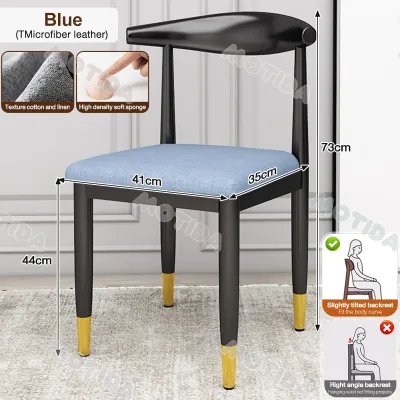
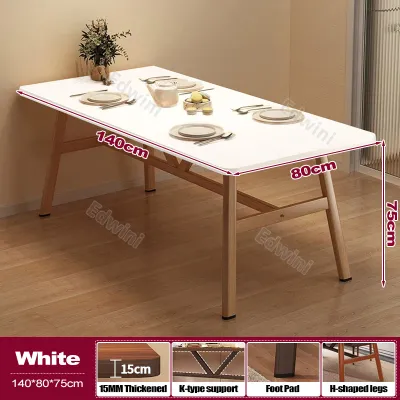
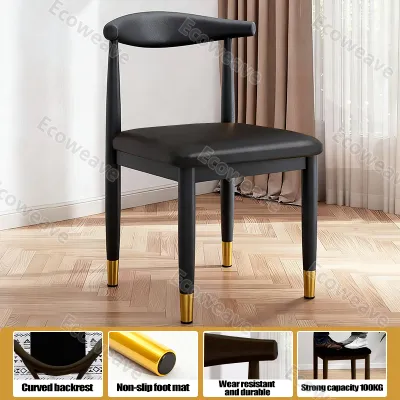
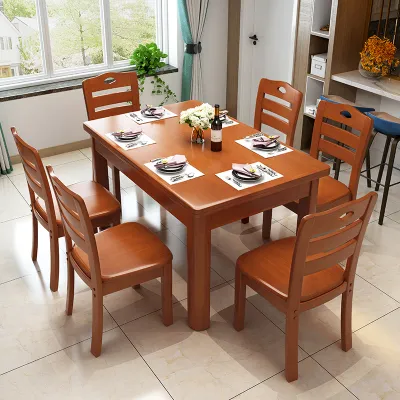
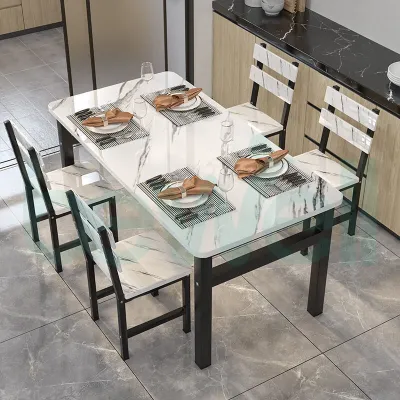
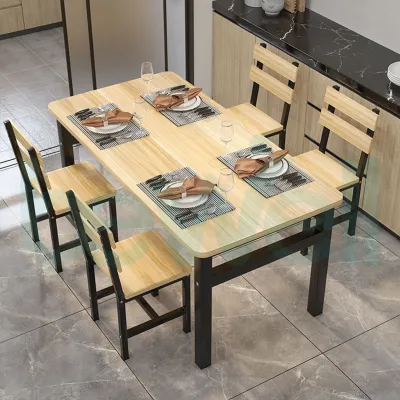
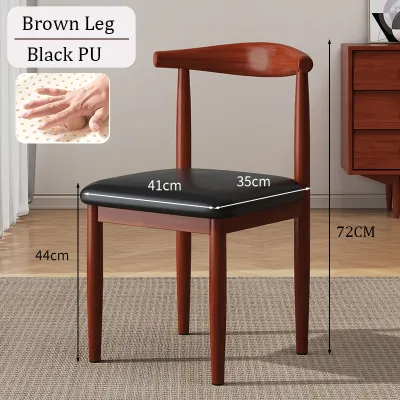
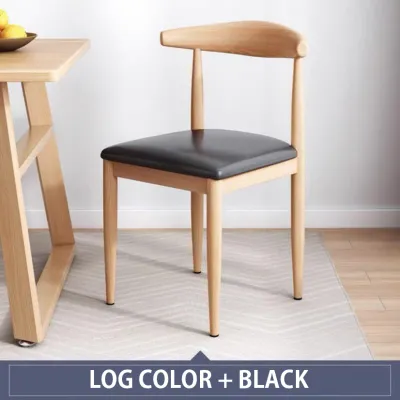
Prices are valid at publication and may change. Please refer to the product page for the latest price.
Another critical feature is the precision of the seam alignment and the quality of the hardware. When the table is closed, the center seam where the two halves meet should be virtually flush, with no visible gaps or height discrepancies. Uneven seams not only detract from the modern aesthetic but also collect dust, food crumbs, and spilled liquids, which can damage the wood over time. Look underneath the tabletop to inspect the extension runners and locking hardware. High-quality sets utilize heavy-duty metal glides that operate smoothly without sticking or grinding. Alignment pins—small wooden or metal dowels that fit into corresponding holes on the opposite leaf—are essential for keeping the tabletop surfaces level across the seams.
Finally, always check the manufacturer’s product label or specification sheet for the maximum weight capacity. This rating is particularly important for expandable tables, as the structural load capacity often decreases when the table is fully extended. A robust table should support the weight of multiple heavy serving dishes, tableware, and the occasional leaning guest without showing signs of bowing or joint strain. If the manufacturer does not specify a weight limit, inspect the thickness of the apron (the wooden frame directly beneath the tabletop) and the sturdiness of the mounting brackets connecting the legs to the frame, as these components bear the brunt of the structural load.
Comparing Extension Mechanisms for 4-to-10 Seat Transitions
The mechanism used to expand your dining table dictates how easily you can transition the space and where you will store the extra components when they are not in use. Understanding the pros and cons of each mechanism allows you to choose a system that aligns with your physical space and lifestyle.

Butterfly leaves, also known as self-storing leaves, are highly popular for modern dining sets due to their convenience. With this design, the extension leaf is split in half and folded on a hinged mechanism beneath the tabletop. To expand the table, you pull the two main halves apart, lift and unfold the butterfly leaf from its internal compartment, and slide the main halves back together to lock it in place. The primary advantage is that the leaf is stored entirely within the table, eliminating the need to find closet space for extra parts. However, butterfly mechanisms are mechanically complex, featuring multiple hinges, pivot points, and tracks. This complexity means there are more moving parts that can wear out, misalign, or collect dust over time, requiring careful handling and occasional maintenance.
Removable center leaves, or insert leaves, represent a more traditional and structurally straightforward approach. To extend the table, you unlock the latches underneath, slide the two halves of the tabletop apart, place one or more separate wooden panels onto the exposed support runners, and lock the entire assembly back together. Because these leaves are completely separate, the table mechanism itself is simpler and often more durable over the long term. The main drawback is storage; you must find a safe, dry place in your home to store the loose leaves when they are not in use. Storing them improperly can expose them to warping, scratches, or physical damage, which can prevent them from fitting correctly when you next try to assemble the table.
Drop-leaf and slide-out (or draw-leaf) systems offer alternative configurations for rapid transitions. Drop-leaf tables feature hinged sections at the ends that hang vertically when folded down and lift up to be supported by pull-out brackets. While excellent for saving space in very tight corners, drop-leaves often have lower weight capacities on the extended ends and may not provide a completely flat surface if the hinges sag. Slide-out extensions, where the extra leaves slide out from underneath the main tabletop, allow for quick expansion without moving the main top. However, this design can result in a double-layered edge profile that may not appeal to those seeking a minimalist, modern look, and the tracks must be kept clean to prevent jamming.
Space Planning and Clearance for Daily and Expanded Use
Successful integration of an expandable dining set requires precise spatial planning. A common mistake is purchasing a table that fits beautifully when closed but completely blocks walkways and doorways when fully extended. To avoid this, you must measure your dining area with both configurations in mind.
For daily use as a compact four-seater, a standard dining chair requires approximately 60 to 75 centimeters of clearance from the edge of the table to allow a person to slide their chair back and sit down comfortably. However, to ensure comfortable movement around the room while people are seated, you should aim for a minimum clearance of 90 centimeters between the table edge and the nearest wall, sideboard, or doorway. When the table is fully extended to accommodate eight to ten guests, the spatial dynamics change significantly. Because more people will be moving around the room to serve food or exit their seats, the clearance behind the chairs should ideally be increased to 100 to 120 centimeters along major walkways to prevent tripping hazards and cramped bottlenecks.
In addition to the dining room itself, you must plan for the physical delivery and assembly of the furniture. Modern wood dining sets, especially those with heavy extension mechanisms, are often shipped in large, heavy flat-packs or pre-assembled sections. Measure the width and height of your front door, apartment building corridors, service elevators, and any tight stairwell turns. Ensure there is enough pivot space for delivery personnel to maneuver the boxes safely. If your dining room has low-hanging light fixtures, such as a modern chandelier or pendant lights, verify that the center of the table will still align acceptably with the light source in both its compact and expanded states, or choose a lighting layout that accommodates a shifting table center.
Evaluating Wood Materials and Surface Finishes for Family Use
The choice of wood material and surface finish directly impacts how well your dining set handles the daily realities of family life, particularly in a tropical climate characterized by high humidity and seasonal temperature shifts. Wood is a natural, hygroscopic material, meaning it absorbs and releases moisture from the surrounding air, causing it to expand and contract.
Solid wood dining sets, crafted from hardwoods like acacia, mahogany, or oak, are highly prized for their natural beauty, unique grain patterns, and long-term repairability. If a solid wood table suffers a deep scratch or dent, it can be sanded down and refinished. However, solid wood is highly sensitive to humidity fluctuations. In a tropical environment, large solid wood panels can warp, cup, or split if they are not properly seasoned during manufacturing. For expandable tables, even minor warping can cause the extension leaves to misalign, making it difficult or impossible to slide the mechanism smoothly.
Engineered wood cores, such as high-grade plywood or medium-density fiberboard (MDF) topped with premium natural wood veneers, offer an excellent alternative for modern expandable tables. The cross-grain construction of engineered wood provides exceptional dimensional stability, meaning it resists warping, shrinking, and swelling despite changes in indoor humidity. This stability ensures that the extension tracks and seams remain properly aligned over years of use. When choosing veneered furniture, check the product specifications to ensure the veneer is thick enough to withstand light sanding if repairs are needed, and verify that the edges are securely banded to prevent moisture from penetrating the core.
The protective finish applied to the wood is your primary defense against spills, heat, and scratches. Look for tables finished with high-quality polyurethane or catalyzed lacquer, which create a durable, water-resistant barrier. These finishes protect the wood from condensation rings left by cold glasses and the heat from warm serving bowls. Always review the manufacturer’s care instructions and warranty terms. Many warranties do not cover damage caused by standing water, direct sunlight exposure, or the use of abrasive chemical cleaners. To preserve the finish and keep the moving joints operating smoothly, plan to use coasters, placemats, and heat-resistant trivets during every meal.
Pre-Purchase Checklist for Expandable Dining Sets
Before making your final decision and committing to a purchase, use this practical checklist to verify that the dining set meets all your functional, spatial, and budgetary requirements:
- Verify Dimensions: Do not rely on visual impressions in a spacious retail showroom. Always check the physical product label or official online specification sheet for the exact length, width, and height of the table in both its fully closed (4-seater) and fully extended (8-to-10-seater) states.
- Test the Mechanism: If shopping in a physical store, personally operate the extension mechanism multiple times. It should slide smoothly without requiring excessive physical exertion, and the locking latches should engage securely. If purchasing online, thoroughly read customer reviews regarding the ease of assembly and the smoothness of the tracks.
- Review Return and Assembly Policies: Expandable tables are heavy and mechanically complex. Confirm whether the retailer offers professional delivery and in-home assembly services, which can prevent damage to the tracks during setup. Check the return policy, specifically looking for coverage of mechanical defects or alignment issues.
- Plan for Extra Seating: Most expandable sets are sold as a 4-seater package. You will need to budget in ₱ for the additional chairs required when the table is extended. Check if the matching chairs are sold individually, or plan to purchase coordinating, stackable, or folding chairs that can be stored in a closet or utility room when not in use.
- Check Floor Protection: Ensure the table and chair legs are equipped with high-quality felt pads or rubber glides to protect your flooring from scratches, especially since an expandable table will be shifted occasionally to accommodate larger groups.
Frequently Asked Questions (FAQ)
How do I maintain the extension tracks and joints?
To keep your expandable table operating smoothly, dust the metal or wooden tracks regularly using a dry microfiber cloth or a soft vacuum brush attachment. Avoid letting liquid cleaners, water, or food crumbs accumulate in the mechanical joints, as moisture can cause wooden tracks to swell and metal tracks to rust. If the mechanism begins to stick or squeak, consult the manufacturer’s guidelines before applying any lubricant; many modern tracks require a dry silicone spray rather than wet oils, which can attract dust and clog the mechanism.
Can I use a tablecloth on an expandable wood table?
Yes, using a tablecloth is an excellent way to protect the wood surface from scratches and spills during large family gatherings. However, because the table changes size, you will need different tablecloths tailored to both the compact and fully extended dimensions to ensure a proper drape. Avoid leaving damp tablecloths or wet runners on the wood surface for extended periods, as trapped moisture can penetrate the protective finish, causing cloudiness, discoloration, or warping of the wood underneath.

Community discussion
Share your experience or ask a question. Comments are reviewed before publication.