
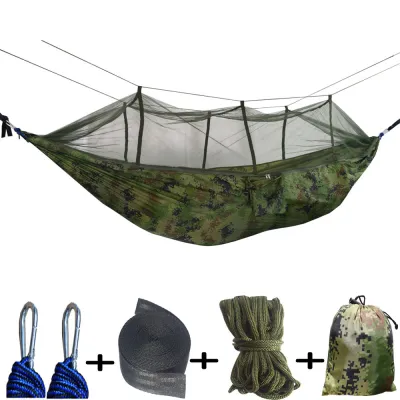
Choosing between a hammock with a built-in mosquito net and a separate netting system depends on how you balance convenience, versatility, and your local environment. If you frequently camp in high-humidity areas with dense insect populations, an integrated mosquito net hammock offers a seamless, lightweight shield that sets up in minutes. On the other hand, a modular setup with a separate net provides unmatched flexibility, allowing you to strip away the extra weight on bug-free afternoons or replace damaged parts without buying a whole new hammock.
Assess Your Usage Scenario and Environment
To choose the right setup, first look at where you plan to hang your hammock. If you are setting up a permanent relaxation spot on a covered patio, a breezy balcony, or a backyard garden in the Philippines, your needs will differ greatly from someone heading deep into the humid wilderness. Stationary setups often face predictable insect levels, where you might only need protection during specific hours of the day.
In tropical climates, high humidity and sudden downpours create breeding grounds for mosquitoes and other biting insects. If your primary goal is overnight camping or hiking in dense forest areas, a full-enclosure system is essential to prevent insects from biting through the thin fabric of your hammock. A built-in net ensures there are no gaps around the edges, keeping even the smallest pests out of your sleeping space.
Products mentioned in this guide
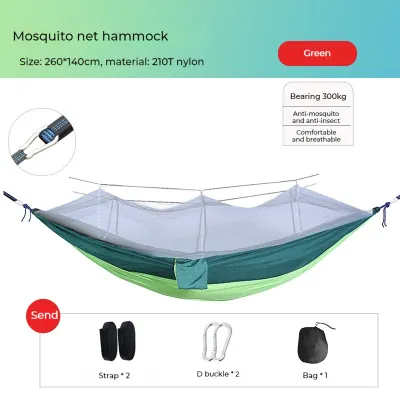
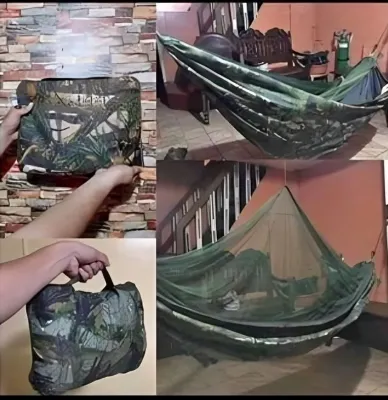
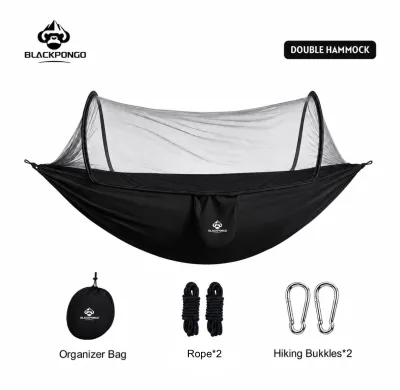
Prices are valid at publication and may change. Please refer to the product page for the latest price.
You must also evaluate the physical constraints of your hanging area. A separate mosquito net requires extra space and suspension points, as it typically drapes over a dedicated line above the hammock. If you are hanging your hammock between closely spaced balcony pillars or in a tight garden corner, you might struggle to find the height or distance needed to drape a separate net properly without it sagging onto your face.
Compare Convenience and Setup Effort
An integrated mosquito net hammock is designed for rapid deployment. Because the netting is sewn directly to the hammock body, you only need to secure the main suspension straps to your trees or posts. Once the hammock is tensioned, the net naturally spreads open, often supported by a simple elastic cord or internal poles, allowing you to climb inside immediately.

A separate netting system requires a more methodical installation process. You will need to string up a separate ridgeline above your hammock, drape the net over it, and carefully adjust the tension so the mesh does not touch your skin. You also have to secure the ends around your suspension straps and tuck or zip the bottom closure to ensure no insects find a way inside through the gaps.
For travelers and backpackers, packed weight and bulk are critical factors. An all-in-one hammock consolidates your gear into a single stuff sack, reducing the risk of leaving a vital component behind. However, if you are just heading to a local park for a quick afternoon hang, a built-in net can feel restrictive and unnecessary, whereas a modular system lets you leave the heavy mesh at home when the weather is clear.
Evaluate Cost, Durability, and Maintenance
From a financial perspective, an integrated mosquito net hammock often represents a lower initial investment than buying a high-quality standard hammock and a premium separate net individually. This makes the all-in-one option highly appealing for beginners who want a complete, functional setup right out of the box without researching compatible accessories.
However, a modular setup offers superior long-term value through its repairability. If a branch snags and tears a separate mosquito net, you can easily patch it or purchase a replacement net for a fraction of the cost of a new hammock. If you tear the delicate mesh of an integrated hammock, repairing it requires advanced sewing skills, and a major tear might force you to replace the entire unit.
Maintenance and cleaning also differ significantly between the two designs. Detachable nets are much easier to wash and dry thoroughly because you can handle the delicate mesh separately from the heavy-duty hammock fabric. Washing an integrated unit requires extra care to prevent the zippers and netting from snagging on the main fabric or suspension loops during the cleaning process.
Decision Matrix: Choosing Your Ideal Hammock Setup
To finalize your decision, match your typical outdoor activities with the strengths of each configuration. An integrated mosquito net hammock is the ideal choice if you prioritize speed, travel light, and frequently camp in areas where insect protection is a constant necessity. It simplifies your packing list and ensures you can set up a secure shelter before a sudden tropical rainstorm or nightfall.
Conversely, a standard hammock paired with a separate net is better suited for backyard lounging, casual day trips, and budget-conscious users who want to build their gear collection over time. This modular approach allows you to enjoy an open-air hammock on clear days and only deploy the bulky net when the seasonal insect population peaks.
Before making your final purchase, always verify the manufacturer’s specifications for weight capacity, fabric density, and mesh quality. Look for fine, tightly woven netting that blocks tiny insects while still allowing optimal airflow to keep you cool in warm, humid conditions. Ensure the suspension hardware matches your intended anchor points for a safe and stable hang.
Frequently Asked Questions (FAQ)
Can I add a separate mosquito net to any standard hammock?
Yes, you can add a separate mosquito net to almost any standard hammock, provided you have a way to suspend the netting. Most aftermarket nets require a structural ridgeline—a cord stretched tightly between your two suspension points above the hammock—to support the weight of the mesh. If you are using an asymmetrical or extra-wide double hammock, make sure to choose a spacious, 360-degree net designed to cover the wider dimensions without creating tight spots where insects can bite through the fabric.
How do I clean a hammock with a built-in mosquito net?
To clean a hammock with an integrated net, always check the manufacturer’s care label first for specific instructions. Generally, you should hand wash the unit in cool water using a mild, biodegradable soap to protect both the fabric coatings and the delicate mesh. If you must use a washing machine, remove all carabiners and metal hardware, zip the mosquito net completely closed, and place the entire hammock inside a mesh laundry bag. Run a gentle cycle with cold water, and always hang the hammock in a shaded, well-ventilated area to air dry completely before packing it away.

Community discussion
Share your experience or ask a question. Comments are reviewed before publication.