
Living in a compact condominium or apartment in the Philippines requires smart furniture choices that maximize every square inch of floor space. Standard, bulky coffee tables often crowd narrow living rooms, making walkways feel cramped and restricting movement. A moveable side table offers a highly versatile alternative, serving as a laptop desk, a dining surface, or a resting place for your afternoon coffee. By choosing a design that easily rolls, slides, or tucks away, you can keep your living area flexible, open, and highly functional.
To find the right fit for your home, you must balance mobility with stability. The ideal table should glide smoothly across your floor without scratching the surface, fit comfortably alongside your existing seating, and withstand the daily wear of a busy household. Understanding how to measure your space, evaluate mobility mechanisms, and check material durability will help you make a practical purchase that enhances your daily comfort.
Assessing Your Space and Table Dimensions
Many modern condominiums in urban centers like Metro Manila feature open-plan layouts where the living room, dining area, and kitchen merge into a single shared space. Before browsing online marketplaces or local showrooms, measure the exact footprint where you plan to place your table. Use a tape measure to map out the floor area next to your sofa, armchair, or bed, ensuring you have a clear picture of the available space.
Products mentioned in this guide
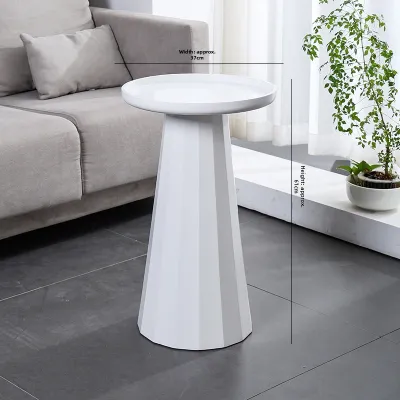
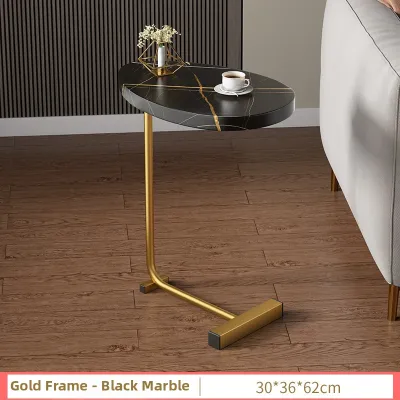
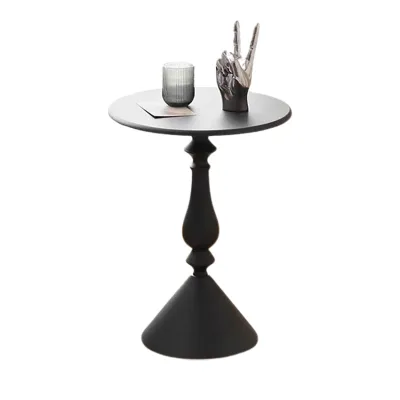
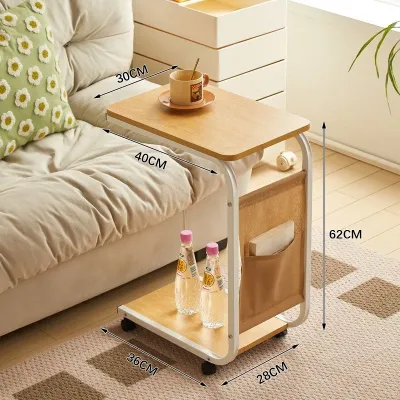
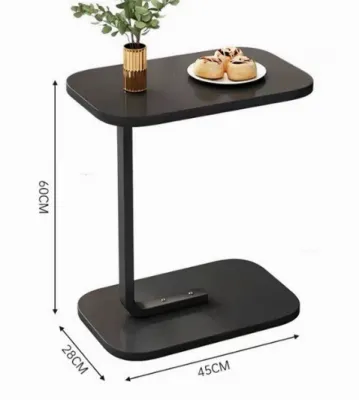
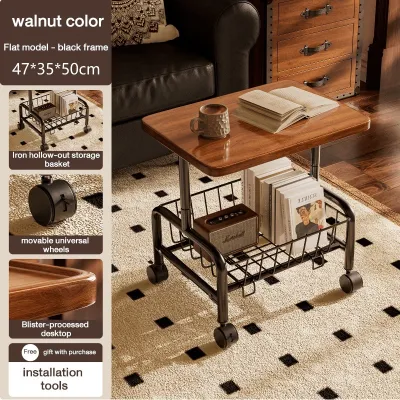
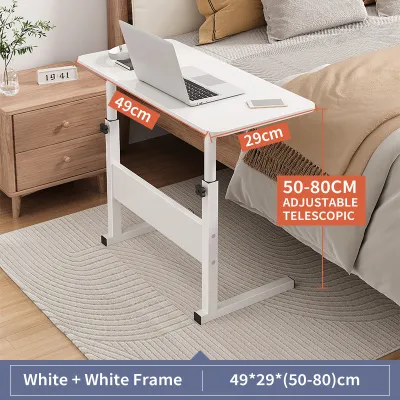
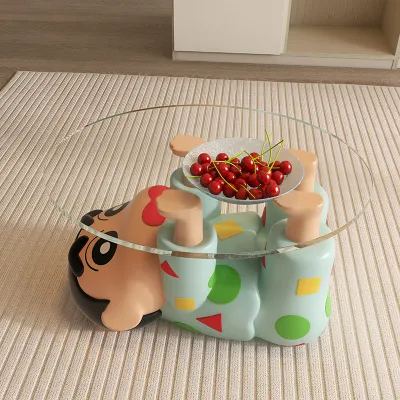
Prices are valid at publication and may change. Please refer to the product page for the latest price.
Walkway clearance is critical for maintaining a comfortable flow throughout your home. Ensure there is at least 60 centimeters of clear space between the side table and other major furniture pieces, such as TV consoles, dining chairs, or walls. If your condo has narrow hallways or tight doorways, measure these entry points as well to guarantee you can easily move the table from room to room without scraping the walls.
Height alignment directly impacts how comfortable the table is to use. For a side table placed next to a sofa, the tabletop should ideally sit level with or slightly below the armrest. If you plan to use it as a bedside table, align the surface with the top of your mattress. Measuring these heights beforehand prevents you from buying a table that requires awkward reaching or bending during daily use.
Mobility Mechanisms and Multifunctional Designs
The way a table moves determines how well it functions in your daily routine. Caster wheels provide the smoothest mobility, allowing you to roll the table from the living room to the bedside with minimal effort. However, if you prefer a sleeker look, sliding bases equipped with felt pads or smooth glides work exceptionally well on tiled or vinyl flooring. For ultimate simplicity, lightweight lift-and-carry tables with integrated handles let you pick up and reposition the piece whenever needed.

When choosing caster wheels, look for models that feature secure locking mechanisms. Locking at least two of the wheels prevents the table from drifting when you set down a hot mug or type on a laptop. Additionally, consider the wheel material; soft rubber or polyurethane casters are ideal for protecting delicate laminate or engineered wood floors from unsightly scratches and scuffs.
Multifunctional designs are the key to maximizing utility in small spaces. C-shaped side tables are particularly popular in compact apartments because their bases slide directly under the sofa, allowing the tabletop to hover over the seat cushion. Other excellent options include nesting tables that stack neatly together when not in use, or tables with drop-leaf tops that expand to accommodate guests during weekend gatherings.
Materials, Stability, and Safety Checks
Sturdy construction is essential for any piece of furniture that is frequently moved. Check the manufacturer’s specifications for weight limits to ensure the table can safely support your laptop, books, or decorative items. Look for robust structural joints, such as welded metal frames or heavy-duty screw connections, which resist loosening over time as the table is pushed and pulled across the room.
Base-to-top weight distribution plays a major role in preventing accidental tip-overs. Moveable tables with very thin bases and heavy wooden tops can become unstable, especially when loaded with items or rolled over uneven surfaces. To ensure stability, opt for designs with a weighted lower shelf or a wide base that keeps the center of gravity low, reducing the risk of tipping.
The tropical climate in the Philippines brings high humidity, which can affect furniture materials over time. When selecting a table, look for metal frames treated with rust-resistant powder coatings to prevent corrosion. For the tabletop, choose water-resistant laminates, tempered glass, or well-sealed solid wood that can withstand condensation from cold drinks without warping, bubbling, or staining.
Pre-Purchase Measurement and Clearance Checklist
Before finalizing your purchase, run through a quick verification checklist to guarantee a perfect fit. Compare the total assembled dimensions of the table—including the height added by caster wheels—against your measured clearances. It is easy to overlook the extra height that wheels add, which can make a table too tall for a low-profile sofa.
Check the floor transitions in your condo. If you have transition strips between tiled kitchen floors and vinyl living room floors, or if you use thick area rugs, ensure the wheels or base of the table have enough clearance to glide over these obstacles smoothly without catching or tipping.
Finally, review the assembly requirements and the retailer’s return policy. Many space-saving tables sold online arrive flat-packed and require self-assembly. Make sure you have the necessary tools on hand, and verify that the seller offers a clear return or replacement policy in case any parts are damaged or missing upon delivery.
Frequently Asked Questions (FAQ)
Can I use a moveable side table on thick rugs or carpets?
Yes, but you must select the right type of wheels. Small, hard plastic casters tend to sink into thick rug fibers, making the table difficult to push and prone to tipping. For carpeted areas, look for larger caster wheels with a diameter of at least 5 centimeters, or choose a lightweight table with a sliding sled base that glides easily over fabric surfaces.
How do I prevent a lightweight moveable table from tipping over?
To keep a lightweight table stable, always place heavier items like books, storage boxes, or potted plants on the bottom shelf or base. Avoid overloading the edges of the tabletop, especially on C-shaped models that overhang. When the table is not in motion, ensure all wheel locks are engaged to keep it firmly in place.

Community discussion
Share your experience or ask a question. Comments are reviewed before publication.