
Finding the right center table for a small sala in the Philippines requires balancing daily utility with precious floor space. In compact living areas, a traditional, static coffee table often becomes an obstacle rather than an asset. Multi-functional center tables—such as those with lift-top mechanisms, hidden drawers, or nesting configurations—offer a practical solution by transforming a single piece of furniture into a dining surface, a home office desk, or a storage hub. However, not every feature is worth the investment, especially if the mechanism is prone to sticking in humid weather or if the table’s footprint overwhelms your room. By focusing on structural stability, clearance rules, and realistic usage patterns, you can select a versatile center table that keeps your small sala functional, organized, and easy to navigate.
Assessing Your Sala's Space and Traffic Flow
Before browsing online marketplaces or visiting local showrooms, you must establish the physical boundaries of your living room. Start by measuring the exact distance between the front edge of your sofa and the opposite wall or TV console. This measurement determines the maximum depth your center table can have while still allowing comfortable legroom. In a tight layout, even a few centimeters can mean the difference between a relaxed seating area and a cramped bottleneck.
Next, map out the primary walking paths and door swing clearances in your sala. If your main entrance, balcony door, or hallway access points cut through the living area, your center table must not infringe on these high-traffic zones. A table with sharp corners or an oversized frame can become a constant tripping hazard, particularly in households with active children or elderly relatives.
Products mentioned in this guide
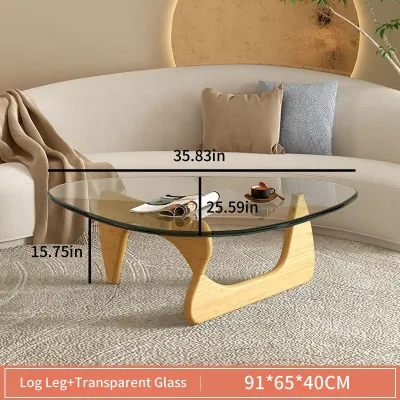
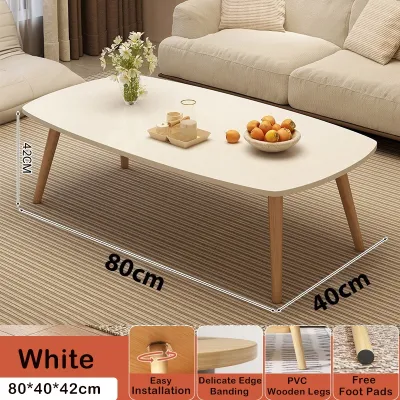
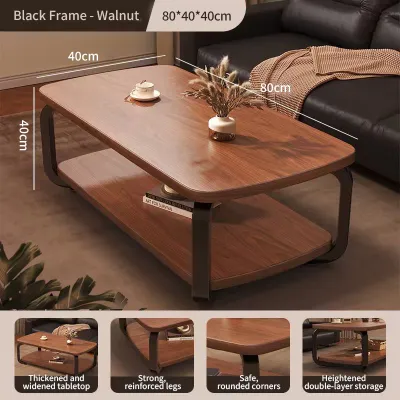
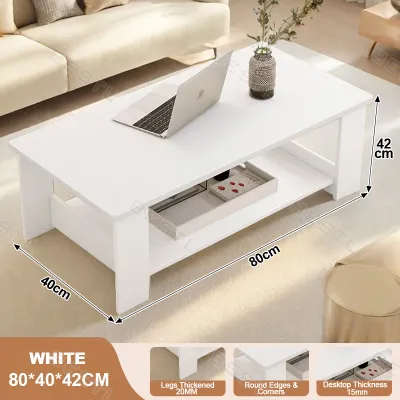
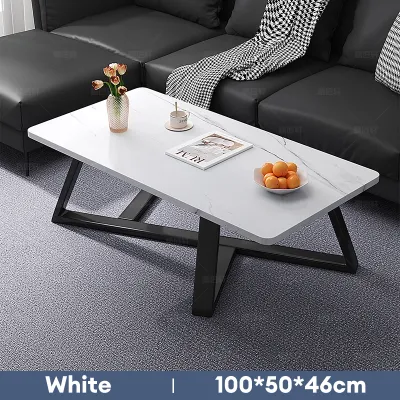
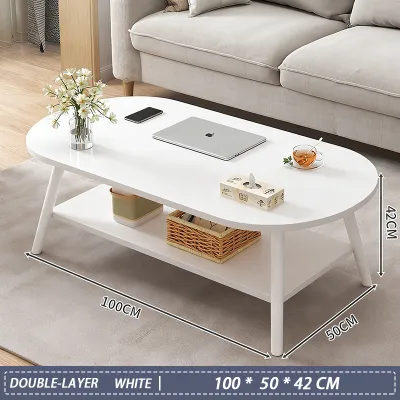
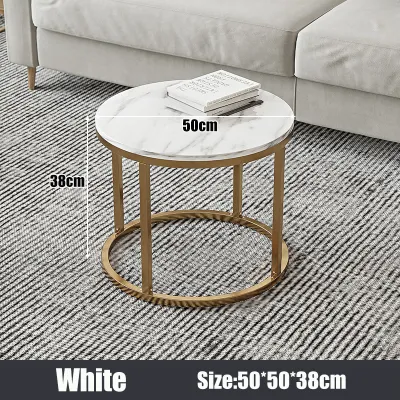
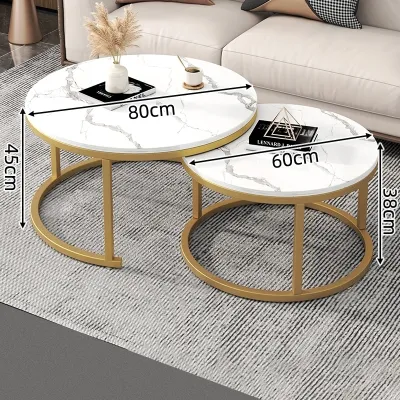
Prices are valid at publication and may change. Please refer to the product page for the latest price.
Finally, check the logistics of getting the furniture into your home. Measure the height and width of your building’s elevator, stairwells, and main doorway. Many multi-functional tables, especially solid wooden units, are heavy and bulky. Ensuring the packaged product can safely pass through these entry points prevents delivery day disasters.
Evaluating Multi-Functional Features for Compact Rooms
Multi-functional furniture promises to maximize utility, but some designs add unnecessary weight, mechanical complexity, and visual bulk. To determine which features are truly worth your budget, you need a clear framework that weighs daily convenience against physical limitations. The goal is to choose mechanisms that simplify your life rather than pieces that require constant, frustrating adjustments.

Hidden Storage and Lift-Top Designs
Lift-top center tables are highly popular for small spaces because they elevate to create a temporary desk or dining table. When evaluating these designs, compare the usable depth of the internal storage compartment against the overall visual weight of the table base. A base that is completely solid down to the floor can make a small sala feel incredibly crowded. Look for designs that balance storage capacity with slightly raised legs to allow light to pass underneath.
The lifting mechanism itself requires close inspection. Check if the hinges operate smoothly, utilizing gas-assisted struts or heavy-duty spring systems that prevent the top from slamming down unexpectedly. Verify the manufacturer’s specified weight limits for the extended top to ensure it remains stable without tipping forward when pressure is applied.
Ergonomics should also dictate your choice. Measure your sofa’s seat height and compare it to the raised height of the lift-top. Ideally, the extended surface should sit at a comfortable height for typing or eating without forcing you to slouch.
Extendable and Drop-Leaf Mechanisms
Extendable center tables feature pull-out panels or drop-leaf sides that expand the surface area when hosting guests. While highly practical, these mechanisms must be structurally sound. Inspect the locking systems and support legs that hold the extended leaves in place. Without robust support, the extended sections may sag under the weight of plates or drinks, posing a spill risk.
You must also consider the floor clearance required for these extensions to operate. Pull-out slides and folding hinges need unobstructed space to glide open. If you have a thick area rug under your table, low-clearance sliding parts can snag, making the expansion process difficult.
Additionally, weigh the aesthetic trade-off of these designs. When fully closed, extendable tables often display visible seams or joint lines on the tabletop. Ensure that the convenience of an expandable surface outweighs the slightly busier appearance of the table’s top and sides.
Nesting and Modular Configurations
Nesting tables consist of two or three separate pieces of graduating sizes that slide completely underneath one another. This modular approach offers exceptional flexibility for dynamic seating arrangements. You can tuck them away to maximize floor space during the day, then pull them apart to serve as individual side tables when guests visit.
When shopping for nesting tables, check the stability of each individual piece. Because the smaller tables often have slender, open frames to allow for stacking, they can sometimes feel wobbly. Look for units with sturdy metal or solid wood frames and verify that the legs are equipped with anti-slip pads. These pads are crucial for preventing the tables from sliding or scratching polished tile, laminate, or hardwood floors common in local homes.
Pay attention to the height difference between the stacked pieces. If the gap between the taller and shorter tables is too narrow, separating them can be a clumsy process that leads to accidental scrapes.
Sizing and Clearance Rules for Small Living Rooms
To maintain a balanced and comfortable sala, you must adhere to standard furniture clearance guidelines. Maintain a distance of 30 to 45 centimeters between the edge of your center table and the front of your sofa. This gap provides sufficient legroom for sitting and standing while keeping drinks within easy reach. If the space is tighter than 30 centimeters, moving around the table will feel restrictive.
Proportion is equally important for visual harmony. The length of your center table should ideally be between one-half and two-thirds of the total length of your sofa. A table that is too long will make the seating area feel cramped, while a table that is too short will look swallowed by the room.
Height alignment is the final critical dimension. The top of your center table should sit at the same height as, or slightly lower than, your sofa’s seat cushions—typically around 40 to 50 centimeters from the floor. Choosing a table that is significantly taller than your sofa cushions creates an awkward visual barrier.
Structural and Safety Checks Before You Buy
Before finalizing your purchase, conduct a thorough quality and safety check of the table’s specifications. Multi-functional tables have more moving parts than standard furniture, meaning there are more components that can wear out or fail. Review the manufacturer’s stated weight capacity, paying close attention to the difference between the static weight limit of the main frame and the dynamic weight limit of moving parts like drawers, slides, and lift-tops.
Tip-over prevention is a critical safety consideration, especially if you have children or pets. Check the base design to ensure the center of gravity remains low and stable. When drawers are fully extended or a lift-top is raised to its maximum height, the table should not wobble or tilt forward. Heavy, wide bases or weighted lower shelves help anchor the table and prevent accidental tipping.
Finally, evaluate the surface materials and finishes for durability and ease of maintenance. In tropical climates with high humidity, materials must resist moisture damage, warping, and mold. If you choose engineered wood, ensure it has a high-quality, water-resistant laminate or veneer finish. Check that all metal parts are treated with rust-resistant coatings.
Frequently Asked Questions (FAQ)
Can a glass-top center table make a small sala look bigger?
Yes, a glass-top center table can create the illusion of a larger room by allowing light to pass through, which reduces the visual weight of the furniture. Because you can see the floor underneath, the room feels more open and less cluttered. However, glass surfaces require frequent cleaning to remove fingerprints, dust, and smudges, which tend to show up clearly in bright light. If you have young children, it is vital to check that the glass is tempered for safety and that the table edges are rounded to prevent injuries.
Are wheels or casters practical for a multi-functional center table?
Wheels or casters can be highly practical if you frequently need to reposition your furniture to clear space for activities like workouts, cleaning, or opening a sofa bed. However, they must be equipped with reliable locking mechanisms to prevent the table from rolling unexpectedly when you lean on it or place items down. On hard, smooth floors like polished tile or wood, unlocked wheels can pose a safety hazard. Ensure the casters are made of a soft material, like polyurethane, to avoid scratching your flooring.

Community discussion
Share your experience or ask a question. Comments are reviewed before publication.