
Quick Answer: Who Benefits Most from the Musso E600?
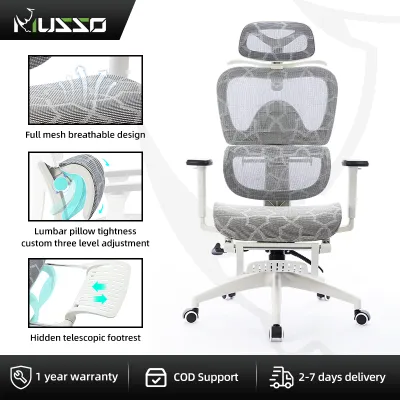
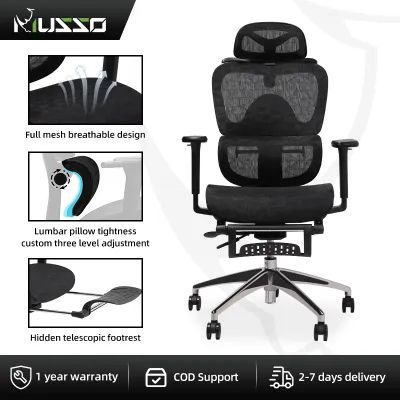
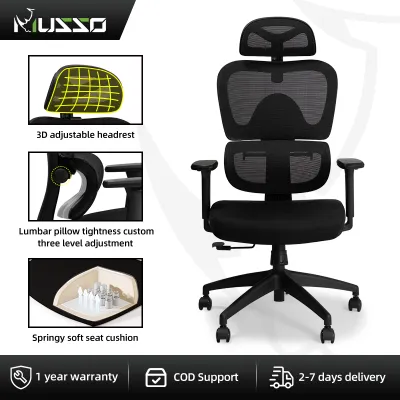
The Musso E600 is designed primarily for home office workers, freelancers, and students who spend long hours seated at a desk. In the tropical climate of the Philippines, where humidity and heat can make standard padded chairs uncomfortable, this model targets users seeking a breathable, mesh-backed seating solution.
Before purchasing, buyers must verify three critical specifications on the official manufacturer product page or user manual: the maximum weight capacity, the adjustable seat height range, and the overall outer width of the wheelbase. Confirming these dimensions ensures the chair will physically accommodate your body type and align correctly with your existing desk setup.
Decoding Core Adjustability for Daily Desk Work
Adjustability is the foundation of any reliable ergonomic setup. When working consecutive eight-hour shifts, a static chair forces the body to adapt to the furniture, which often leads to slouching, muscle fatigue, and long-term discomfort. An adjustable chair, conversely, allows you to customize the support structures to match your unique skeletal proportions.
Products mentioned in this guide
Prices are valid at publication and may change. Please refer to the product page for the latest price.

To evaluate how the Musso E600 fits your daily routine, look closely at the adjustability mechanisms detailed in the product documentation. High-quality ergonomic chairs allow users to modify settings easily while seated. When reviewing the user manual, check whether the adjustment levers are easily reachable and if they utilize step-locked positions or fluid, continuous tension. This distinction determines how precisely you can fine-tune your seating posture throughout the day.
Lumbar Support and Recline Mechanics
Lower back pain is a frequent complaint among desk-bound professionals. To prevent this, you must analyze how the backrest supports the lumbar curve of your spine. When researching the Musso E600, identify whether the lumbar support system is fixed, manually adjustable, or dynamic. Dynamic lumbar support automatically shifts pressure as you lean forward or backward, whereas manual systems require you to set a fixed height or depth using a dial or sliding bracket.
Recline mechanics are equally vital for reducing spinal compression. Look for a tension adjustment knob, typically located underneath the seat pan. This knob allows you to adjust the resistance of the backrest based on your body weight, preventing the sensation of falling backward or, conversely, having to push too hard to recline. Always check the manufacturer’s specifications for the maximum recline angle and the number of lockable tilt positions. A chair that locks in an upright position (around 90 degrees) is ideal for focused typing, while a deeper recline lock (120 to 135 degrees) supports relaxed reading or brief rest breaks.
Armrest and Seat Height Alignment
Improper armrest positioning often leads to shoulder tension and neck strain. Ideally, armrests should support your forearms so that your elbows rest at a 90-degree angle, keeping your shoulders relaxed. When evaluating the Musso E600, check the armrest specifications for multi-directional adjustments. Height-adjustable armrests are essential, but highly adjustable models may also offer width, depth, or pivot adjustments. Ensure the maximum height of the armrests allows them to slide comfortably under your desk surface when the chair is not in use, saving valuable floor space in smaller rooms.
Seat height alignment is crucial for maintaining healthy lower-body circulation. Your feet should rest flat on the floor with your knees bent at a 90-degree angle, preventing pressure on the undersides of your thighs. If the seat is too high, it cuts off circulation; if it is too low, it places excessive pressure on your pelvic bones. If the chair features seat depth adjustment, verify that you can maintain a two-to-three-inch gap between the front edge of the seat pan and the back of your knees to ensure optimal leg support.
Interpreting Material and Build Specifications
In the Philippines, high humidity and warm ambient temperatures place unique demands on office furniture materials. Traditional polyurethane (PU) leather chairs tend to trap heat and sweat, leading to discomfort and premature peeling of the material. A mesh backrest, such as that featured on the Musso E600, allows continuous airflow to keep you cool. However, you must assess the quality of the mesh. Look for high-tensile, elastomeric polyester mesh, which resists sagging over years of use. Low-quality mesh can stretch out quickly, causing your back to press directly against the hard plastic frame.
Structural safety centers heavily on the gas lift cylinder and the base material. The gas lift is the pressurized chamber responsible for height adjustment and weight support. For long-term safety and durability, verify that the cylinder is certified as Class 3 or Class 4, which is typically stamped directly onto the metal casing or noted in the technical manual. Class 4 cylinders feature thicker steel walls and handle higher weight loads than Class 3 alternatives. Additionally, check whether the base is constructed from reinforced nylon or heavy-duty metal, as a wider, heavier base provides better tip-over resistance when reclining.
To preserve these materials, always consult the manufacturer’s care instructions. Synthetic mesh and plastic frames should generally be cleaned with a soft, damp microfiber cloth and mild soapy water. Avoid harsh chemical solvents or abrasive scrubbers, which can degrade the synthetic fibers and compromise the structural integrity of the mesh weave.
Verifying Size, Weight Capacity, and Space Fit
Before finalizing your purchase, you must cross-reference the chair’s physical dimensions with both your body measurements and your physical workspace. Never rely solely on generic size labels. Start by comparing the manufacturer’s stated maximum weight capacity with your own weight. Keep in mind that operating near the absolute limit of a gas lift can accelerate wear on the seals and structural joints.
Next, measure your workspace carefully. Take note of the following dimensions to ensure a seamless fit:
- Seat Width and Depth: Ensure the seat pan is wide enough for your hips to sit comfortably without pressing against the armrest brackets.
- Wheelbase Diameter: The star-shaped base of the chair determines its footprint. Measure the clearance between your desk legs to ensure the base can roll freely underneath without getting stuck.
- Doorway and Elevator Clearance: If you live in a high-rise condominium or apartment complex in metropolitan areas, measure the width of your doorways, hallways, and elevator entries. Ensure the shipping box or the fully assembled chair can pass through these tight spaces during delivery.
If your floor surface consists of delicate hardwood or tile, check the caster wheel material. Hard nylon casters are suitable for carpets, but soft polyurethane-coated casters are recommended for hard floors to prevent scratching and reduce rolling noise.
Frequently Asked Questions (FAQ)
Does the Musso E600 require professional assembly?
The Musso E600 typically arrives flat-packed and is designed for user assembly. The packaging includes a step-by-step instruction manual, hex keys, and necessary hardware. Carefully review the manual before beginning setup. If any pre-drilled holes do not align easily, or if you suspect hardware is missing, do not force the components together, as this can strip the threads or damage the frame. Stop and consult the manufacturer or a qualified assembly professional.
How do I verify the warranty coverage for moving parts?
Warranty terms often differ significantly between structural components and moving parts. While a chair’s steel frame may carry a multi-year warranty, the gas lift cylinder, tilt mechanism, armrests, and mesh fabric may have shorter coverage periods. To verify your specific protection, check the official warranty card included in the box, visit the brand’s official regional website, or contact your authorized retailer. Keep your original invoice or digital receipt, as proof of purchase is universally required to file a claim.

Community discussion
Share your experience or ask a question. Comments are reviewed before publication.