
A narrow bedside table typically ranges from 20 to 40 centimeters in width, with ultra-slim profiles measuring between 20 and 30 centimeters. Finding the ideal dimensions for a narrow slim table beside your bed requires balancing available floor space, mattress height, and essential walkway clearance. In compact urban apartments and modern condominiums, where bedroom square footage is at a premium, selecting a bedside table with the correct proportions ensures your room remains highly functional, visually balanced, and free of physical obstructions.
Choosing the right size is not merely about finding a piece of furniture that physically squeezes into a gap. It involves understanding how the depth, width, and height of the table interact with your bed frame, nearby walls, wardrobe doors, and daily movement patterns. By focusing on precise measurements and layout dynamics, you can select a slim nightstand that provides sufficient storage and surface space without making your bedroom feel cramped.
General Width and Depth Ranges for a Narrow Slim Table
When searching for a narrow slim table to serve as a bedside companion, understanding the standard size categories is the first step. Ultra-slim bedside tables generally feature a width of 20 to 30 centimeters. These compact pieces are engineered specifically for micro-spaces, offering just enough surface area for a smartphone, a pair of glasses, and a small glass of water. Standard narrow nightstands offer a slightly wider profile of 30 to 40 centimeters, which provides a bit more stability and often includes a small drawer or a lower shelf for added storage.
Products mentioned in this guide
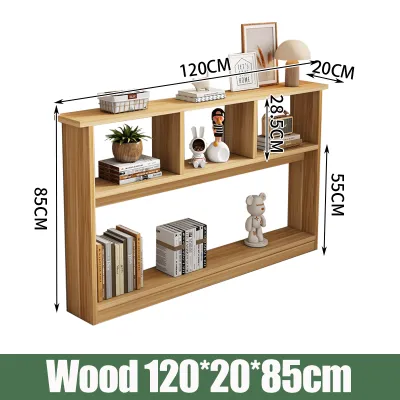
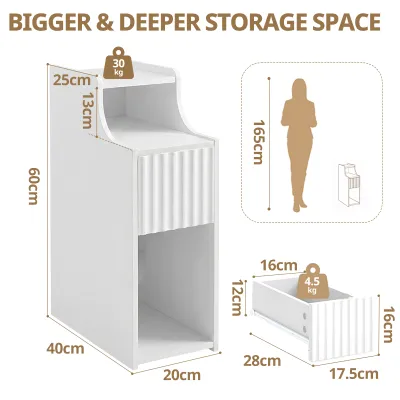
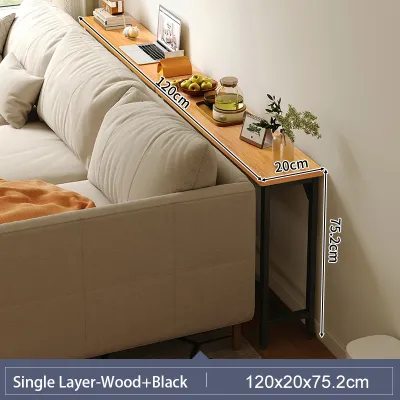
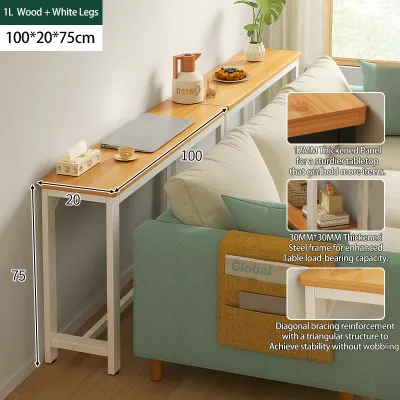
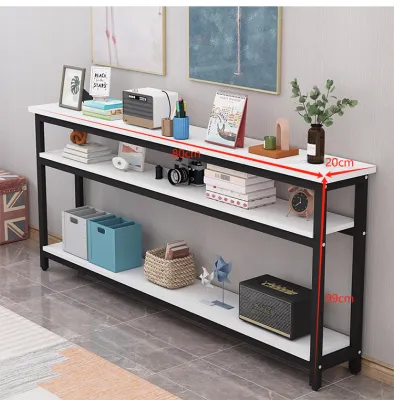
Prices are valid at publication and may change. Please refer to the product page for the latest price.
Depth is another critical dimension that is frequently overlooked but heavily influences room flow. A standard nightstand often has a depth of 45 to 55 centimeters, but for tight spaces, a shallower depth of 30 to 35 centimeters is highly recommended. A shallower table prevents the piece from protruding past the edge of the mattress, keeping the primary walkway clear and minimizing the risk of stubbed toes or bumped shins when getting in and out of bed during the night.
Your final dimensional choices must be dictated by your specific room layout and bed frame design rather than standard furniture packages. For example, a bulky wooden bed frame with a wide wrap-around platform will significantly reduce the space available for a bedside table compared to a simple, flush metal divan base. Always prioritize the actual physical clearance over general sizing recommendations.
Additionally, the visual weight of the table plays a major role in how spacious your bedroom feels. A solid, block-style wooden nightstand with multiple deep drawers can make a small room feel crowded, even if its physical measurements are small. Conversely, a table with an open metal frame, slender legs, or a single floating drawer preserves the sightlines across the floor and walls, creating an airy, open aesthetic that visually expands a compact bedroom.
Step-by-Step Guide to Measuring Your Bedside Clearance
Accurate measurements are the foundation of a successful small-bedroom layout. Before purchasing any furniture, take the time to measure your bedside clearance systematically to ensure your chosen table fits comfortably without blocking essential room features.

First, measure the exact gap between the outer edge of your bed frame and the nearest obstruction, such as a wall, a wardrobe, or a window frame. Do not measure from the edge of the mattress alone, as many wooden, upholstered, or platform bed frames extend several centimeters beyond the mattress itself. This physical boundary is the absolute maximum width your new table can have.
Second, evaluate your walkway clearance to maintain comfortable movement around the room. In compact bedroom layouts, you should aim to preserve a clear path beside the bed. If your bedside table is too deep, it will encroach on this pathway, forcing you to shimmy past the bed sideways. Ensure that the front edge of the table does not extend into the natural walking path of the room.
Third, account for hidden structural obstructions that can prevent a table from sitting flush against the wall. Baseboards or skirting boards at the bottom of the wall typically project 1 to 2 centimeters into the room, meaning a flush-mounted table will be pushed slightly forward. Additionally, look for protruding electrical outlets, light switches, internet ports, or wall-mounted telephone jacks. If these outlets are located directly behind where the table will sit, you must factor in the depth of plugged-in cords, which can add 3 to 5 centimeters to the table’s forward projection.
Finally, check the swing radius of all doors and drawers in the immediate vicinity. Open your bedroom door, closet doors, and wardrobe doors completely to verify that they will not collide with the bedside table. Similarly, if the table you are considering features drawers or cabinet doors, calculate their fully extended depth to ensure they can open completely without striking the side of your bed frame or mattress.
Getting the Height Right for Comfort and Aesthetics
While width and depth determine whether a table will physically fit into your bedroom, the height of the table dictates how functional and comfortable it will be to use on a daily basis. Ergonomically, the top surface of your bedside table should sit level with, or up to 5 centimeters below, the top of your mattress.
This height relationship allows you to reach for items such as a glass of water, an alarm clock, or a book naturally without straining your shoulder, back, or neck. If the table is positioned too low, you will have to bend downward awkwardly from a lying position. If it is too high, reaching up can be uncomfortable and increases the risk of knocking items over in the dark.
To determine your ideal table height, measure from the floor to the very top of your mattress. Be sure to take this measurement while your mattress is fully dressed, including any thick mattress toppers, quilted protectors, or plush duvets that you regularly use, as these layers can add several centimeters to the overall height.
Choosing a table that is significantly taller than your mattress also creates visual imbalance in a small room. A tall, narrow piece of furniture can look top-heavy and imposing, drawing the eye upward and emphasizing the tight quarters. Keeping the table level with or slightly below the mattress line maintains a clean, horizontal sightline that helps the bedroom feel more organized and spacious.
Smart Alternatives When a Freestanding Table Won't Fit
If your bedside clearance is exceptionally tight—measuring under 20 centimeters—a traditional freestanding table may not be a viable option. Fortunately, several space-saving design alternatives can provide the functionality of a nightstand without occupying valuable floor space.
Wall-mounted floating shelves and wall-hung drawers are excellent solutions for ultra-tight layouts. By eliminating legs and a solid base, floating shelves free up the floor beneath them, making the room feel larger and allowing for easier sweeping or vacuuming. Before installing a wall-mounted shelf, verify your wall type; solid concrete or brick walls require masonry anchors, while drywall or gypsum walls require toggle bolts or direct mounting into wall studs. Always check the manufacturer’s maximum weight capacity to avoid sagging or wall damage.
C-tables and slide-under designs offer another highly flexible option. These tables feature a cantilevered frame with a flat, low-profile base that slides directly underneath your bed frame. The tabletop then hovers neatly over the edge of your mattress, providing a convenient surface for a phone or cup while leaving the adjacent floor path completely unobstructed.
Nesting tables and fold-down drop-leaf tables provide adjustable surface space on demand. A small wall-mounted drop-leaf table can be raised when you need a surface for a laptop or a book, and then collapsed flat against the wall when you need to walk through the space. Nesting tables can be stacked together during the day and pulled out slightly at night.
Headboards with built-in storage are also highly effective for eliminating the need for separate side tables entirely. These specialized headboards feature integrated shelving, cubbies, or pull-out drawers built directly into the sides or top panel. This keeps your bedtime essentials within arm’s reach while keeping the sides of your bed completely clear.
Common Sizing and Placement Mistakes to Avoid
When furnishing a small bedroom, minor planning oversights can quickly lead to a cramped or dysfunctional layout. Avoiding these common sizing and placement errors will help you create a comfortable and harmonious sleeping space.
One of the most frequent mistakes is ignoring the bed frame’s overhang. Many shoppers measure the distance from the wall directly to the edge of the mattress, forgetting that the wooden or upholstered frame beneath it extends further outward. Purchasing a table based on mattress measurements alone often results in a piece of furniture that is too wide to fit into the remaining gap.
Another common error is selecting a table with deep drawers that cannot fully open. If the bedside table is placed flush against a bed frame with a high profile, or if it sits too close to an adjacent wardrobe, the drawers may only open halfway before colliding with these obstacles. Always verify the drawer extension clearance before finalizing your purchase.
Additionally, be mindful of how your bedside table interacts with wall-mounted fixtures and window treatments. In many compact bedrooms, split-type air conditioning units, wall fans, or light switches are positioned near the bed. A table that is too tall or placed incorrectly can block essential airflow, obstruct access to switches, or pinch long window curtains, preventing them from draping naturally.
Finally, avoid overloading a narrow, top-heavy table with heavy items. Because narrow slim tables have a smaller footprint, they are naturally more prone to tipping if they are unevenly weighted. Placing a heavy ceramic table lamp, a large stack of books, or heavy decorative items on a slim table can create a serious safety hazard, especially in high-traffic walkways. To prevent accidents, opt for lightweight accessories, secure the table to the wall with anti-tip brackets, or use wall-mounted sconces for your bedside lighting instead.
Frequently Asked Questions (FAQ)
What is the minimum comfortable walkway space needed beside a bed?
To move comfortably around a bed without feeling restricted, you should maintain a minimum walkway clearance of 50 to 60 centimeters. In shared bedrooms or high-traffic layouts, aiming for 60 to 70 centimeters of clear space is ideal. If your bedroom layout is exceptionally tight, you can reduce this clearance to 45 centimeters, though you may need to walk sideways. This available walkway space directly limits the maximum allowable depth of your bedside table, as any deeper furniture will obstruct your path.
Can I use a regular slim side table instead of a dedicated nightstand?
Yes, you can easily repurpose a regular slim side table, such as a living room end table, telephone table, or plant stand, as a bedside table. However, you must carefully verify its height, stability, and storage capabilities before doing so. Living room side tables are often designed to align with sofa armrests, which may be significantly taller or shorter than your mattress height. Additionally, ensure the base of the repurposed table is heavy and stable enough to prevent tipping on your bedroom floor, especially if the piece lacks dedicated drawers for weight distribution.

Community discussion
Share your experience or ask a question. Comments are reviewed before publication.