
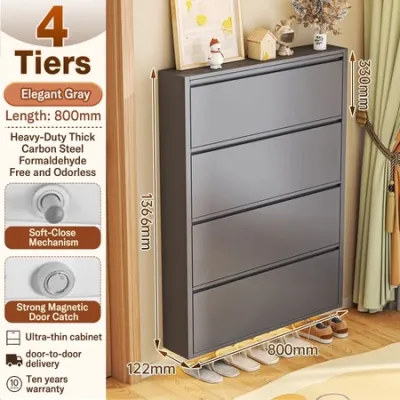
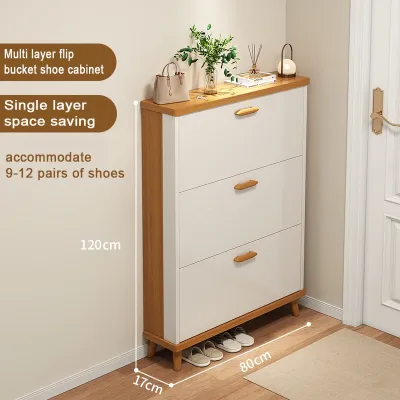
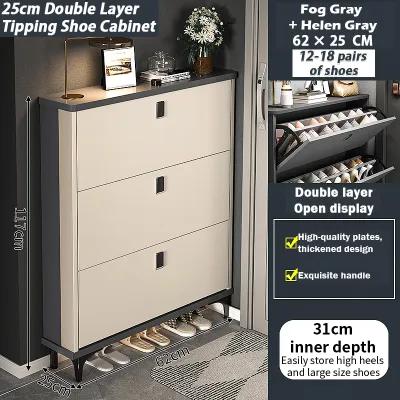
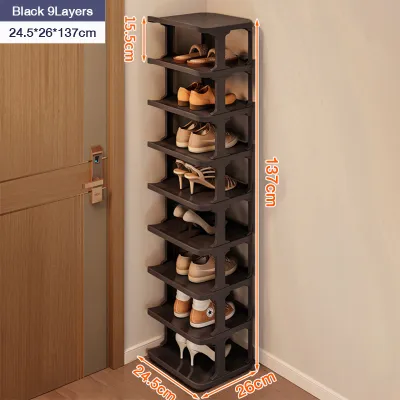
Finding the right shoe storage for a compact Philippine apartment or condominium can be a spatial puzzle. To fit inside a typical closet or a narrow entryway hallway, a narrow shoe cabinet generally requires an external depth of 15 to 24 centimeters for tilt-out designs, or 30 to 35 centimeters for traditional flat-shelved units. The ideal width typically ranges from 50 to 80 centimeters, depending on your available wall space and door clearances. Selecting the correct dimensions ensures your footwear remains organized without blocking vital walkways or preventing your closet doors from closing properly.
Quick Guide: Establishing Your Maximum Cabinet Footprint
Before browsing online marketplaces or local furniture showrooms, you must establish the absolute maximum footprint your space can accommodate. Many buyers make the mistake of relying solely on nominal dimensions listed on product pages, which often omit protruding hardware, baseboard offsets, or door handles. The true physical footprint includes the space the cabinet occupies when its doors are fully closed, as well as the clearance required when doors are swung or tilted open.
Measuring the narrowest physical point of your designated area—rather than wall-to-wall distance—prevents delivery-day surprises. You must also account for local architectural features common in Philippine homes, such as thick floor tiles, uneven plastering, or surface-mounted electrical conduits. Ensuring a clear path of travel is essential, especially in high-traffic entryways where a protruding cabinet could restrict daily movement or violate condominium safety guidelines.
Products mentioned in this guide
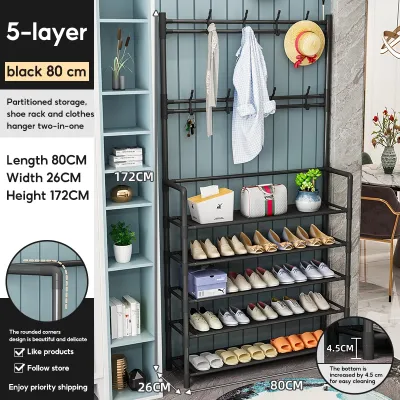
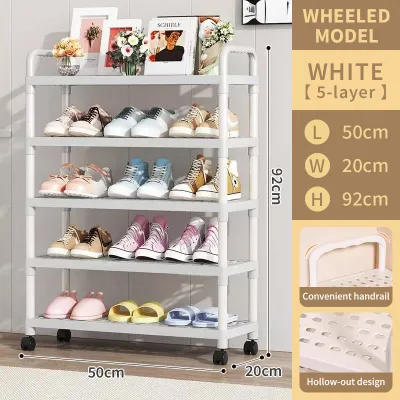
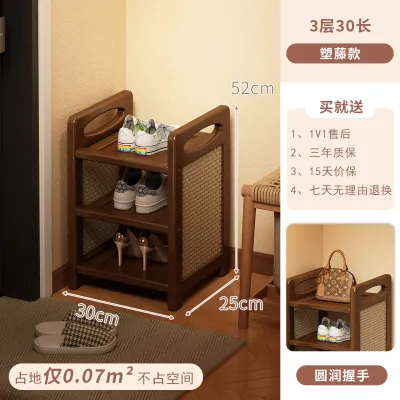
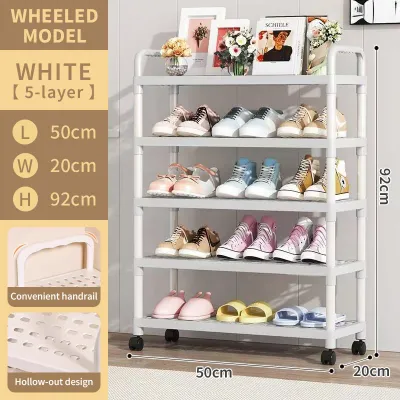
Prices are valid at publication and may change. Please refer to the product page for the latest price.
How to Measure Your Closet or Hallway Space Accurately
Accurately measuring your closet or hallway requires a systematic approach that accounts for real-world structural imperfections. Walls in many apartments are rarely perfectly plumb, and floors may have slight slopes that affect how a tall, narrow cabinet sits.

Take three distinct width measurements: one near the floor, one at the midpoint, and one near the top of where the cabinet will stand. Use the smallest of these three figures as your maximum width limit. This prevents the cabinet from wedging against door frames or moldings during installation.
Measure the distance from the back wall to the front boundary of your usable space. Be sure to subtract the thickness of any baseboards or wall trims from this total, as the cabinet back must sit flush against the wall for proper stability. If your closet has sliding doors, measure the depth from the back wall to the inner track to ensure the cabinet does not obstruct the door’s sliding path.
Map out the swing path of nearby doors, including bedroom doors, closet doors, and main entryways. Open these doors fully and measure the remaining clearance to ensure the cabinet will not collide with door handles or block the door from opening to its full angle.
Matching Cabinet Depth and Width to Your Shoe Collection
The external dimensions of a shoe cabinet do not represent its actual internal storage capacity. Panel thickness, backboards, and door hinges all subtract from the usable space inside. Understanding this relationship helps you choose a unit that accommodates your specific shoe sizes without crushing your footwear.
Evaluating Depth Limits and Shoe Orientation
To store standard adult shoes flat on a shelf, you generally need a minimum internal depth of 30 to 33 centimeters. If your shoes are larger than average, flat storage in a very narrow cabinet may cause the heels or toes to press against the door, preventing it from closing.
When your available external depth is limited to 15 to 20 centimeters, flat shelving is no longer viable. Instead, look for cabinets with slanted shelves or tilt-out compartments. These designs store shoes at an angle or vertically, significantly reducing the required external depth while still accommodating standard shoe lengths.
Always verify the internal clearance of tilt-out compartments. Bulky footwear, such as thick-soled athletic sneakers or high heels, requires more vertical clearance within the tilting drawer. If the internal pocket is too shallow, the cabinet door may jam or damage the upper material of your shoes.
Calculating Width Constraints and Pair Capacity
Subtract the thickness of the side panels (typically 1.5 to 2 centimeters per side) and any central vertical dividers from the total external width. This gives you the true usable shelf width.
On average, a pair of adult shoes requires about 20 to 25 centimeters of horizontal shelf space. A cabinet with an internal width of 60 centimeters will comfortably hold two to three pairs per shelf. Adjustable shelving is highly beneficial here, allowing you to customize the height of each tier to maximize vertical space.
If you regularly wear wide athletic shoes, boots, or platform sandals, you must plan for fewer pairs per shelf. Storing one shoe facing forward and the other facing backward can sometimes save valuable centimeters of width, allowing you to fit an extra shoe onto a tight shelf.
Managing Door Clearances, Walkways, and Tipping Risks
Different door styles require varying amounts of clearance. Traditional hinged doors swing outward, requiring a clear space in front of the cabinet equal to the width of the door panel. Sliding doors require zero front clearance but limit your access to one side of the cabinet at a time. Tilt-out drawers pull downward and outward, usually requiring about 25 to 35 centimeters of front clearance to open fully.
In narrow hallways, maintaining a clear walkway is a safety priority. After placing your cabinet, there should still be at least 70 to 80 centimeters of unobstructed passage space. This ensures residents can move freely without bumping into the furniture, which is especially important during emergency evacuations.
Tall, narrow shoe cabinets have a high center of gravity, making them prone to tipping forward when multiple drawers are opened simultaneously or when loaded with heavy shoes. This risk increases significantly in households with active children or pets. To prevent accidents, always anchor the cabinet securely to the wall using L-brackets or anti-tip straps. If you are renting and cannot drill into concrete walls, look for lower-profile, wider units that offer greater natural stability, or use heavy-duty adhesive anchoring systems approved by your landlord.
In the humid Philippine climate, closed cabinets can trap moisture, leading to mold on leather shoes. Choosing a cabinet with ventilated doors, slatted panels, or open backs is highly recommended to maintain airflow.
Space-Saving Alternatives When Standard Cabinets Won't Fit
If your closet floor space is entirely consumed, over-the-door organizers made of breathable mesh or canvas are an excellent alternative. They utilize the vertical space of your closet door without taking up any floor area, while allowing air circulation to prevent moisture buildup in humid tropical climates.
Utilizing the empty space beneath your bed frame is ideal for seasonal or infrequently worn footwear. Opt for shallow, rolling plastic bins with secure lids to protect your shoes from dust and pests.
For extremely narrow hallways where even a 15-centimeter cabinet blocks the path, wall-mounted floating shoe ledges can be installed at staggered heights. This keeps your footwear off the floor and allows you to customize the layout to fit the exact contours of your wall.
Frequently Asked Questions (FAQ)
Can I fit a narrow shoe cabinet behind a standard bedroom door?
Fitting a cabinet behind a bedroom door depends entirely on the clearance gap when the door is fully opened against the wall. Measure this gap from the wall to the edge of the open door panel, factoring in the door handle and any baseboard trim. If the gap is less than 18 centimeters, a standard cabinet will prevent the door from opening fully, potentially damaging the wall or the cabinet. In these tight spaces, a slim fabric hanging organizer or low-profile wall hooks are safer alternatives.
Do tilt-out shoe cabinets require less depth than standard hinged doors?
Yes, tilt-out shoe cabinets are specifically engineered for shallow spaces and require significantly less external depth than standard hinged-door cabinets. While a hinged cabinet typically needs at least 30 to 35 centimeters of depth to store shoes flat, a tilt-out model can function with an external depth of just 15 to 20 centimeters because the shoes are stored vertically. However, keep in mind that tilt-out drawers extend outward when opened, so you must still ensure there is adequate floor clearance in front of the unit to access your shoes comfortably without blocking the entire hallway.

Community discussion
Share your experience or ask a question. Comments are reviewed before publication.