
Condo living in urban centers across the Philippines often presents a common layout challenge: bedroom floor space is highly limited, leaving little to no room for a traditional bed side table with storage. When renting or living in a modern high-rise, drilling holes into concrete walls or drywall to mount floating shelves is frequently prohibited by building administration or tenancy agreements. Fortunately, you can achieve convenient, arm’s-reach storage without risking your security deposit or sacrificing precious floor area.
By utilizing innovative no-drill alternatives—such as heavy-duty adhesive shelves, magnetic caddies, clip-on organizers, and vertical tension systems—you can keep your daily essentials organized and secure. Choosing the right solution requires understanding your specific wall surfaces, the local tropical climate, and the physical limitations of non-permanent mounting methods. This guide will help you navigate these options to find the perfect fit for your space.
Key Criteria for Choosing No-Drill Bedside Alternatives
Before purchasing any no-drill storage system, you must evaluate the physical environment of your condo bedroom. The first step is assessing the wall surface where you intend to place the storage. Most Philippine condos feature painted concrete walls, painted drywall, or, in some modern layouts, accent walls made of wood paneling, glass, or ceramic tiles. Adhesives perform exceptionally well on smooth, non-porous surfaces like glass or polished tile, but they can struggle on textured plaster or matte-painted concrete. Furthermore, you must review your rental contract to ensure that even non-destructive adhesives are permitted, as some low-quality paints can peel off during removal, leading to repair charges.
Products mentioned in this guide
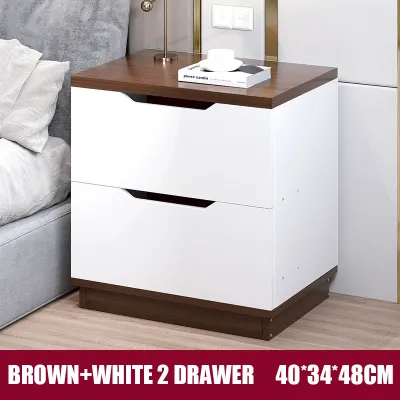
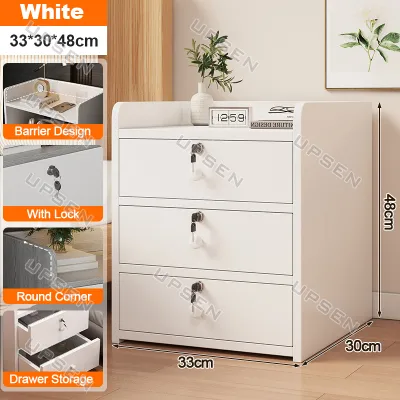
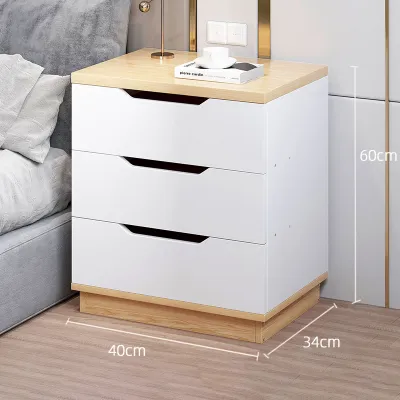
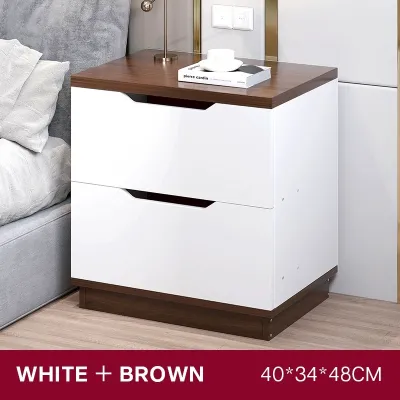
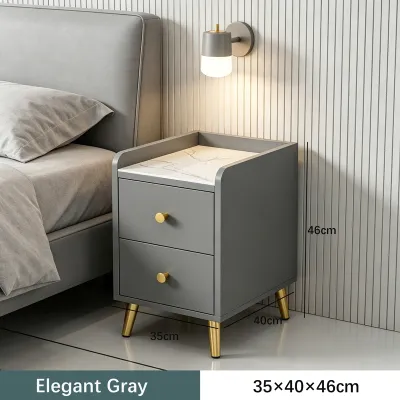
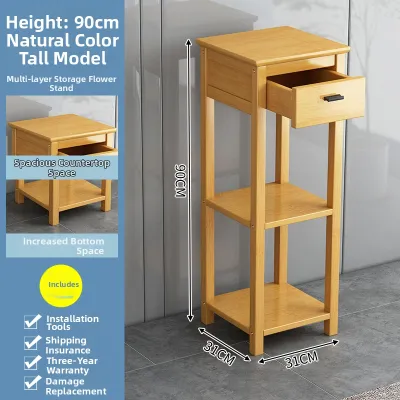
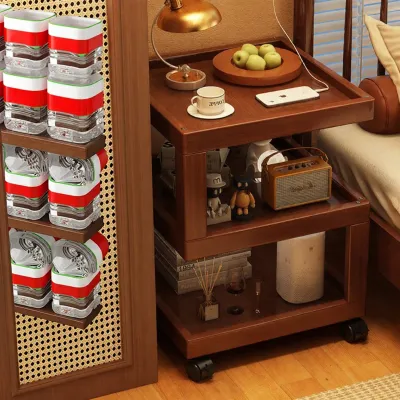
Prices are valid at publication and may change. Please refer to the product page for the latest price.
Next, analyze the physical clearance between your mattress and the adjacent wall. In tight condo layouts, this gap might be only a few inches wide, making a standard freestanding bed side table with storage completely impractical. Measure this space carefully to ensure that any wall-mounted or hanging organizer does not obstruct your movement when getting in and out of bed. You should also catalog the specific items you need to store. If you only need a safe spot for a smartphone, a pair of eyeglasses, and a charging cable, a compact adhesive pocket is ideal. However, if you plan to store a heavy water tumbler, physical books, or a tablet, you will need to consider more robust mechanical alternatives, such as clip-on caddies or tension-based systems.
Finally, the tropical climate of the Philippines plays a significant role in the long-term reliability of non-permanent mounting methods. High relative humidity, especially during the wet season, can gradually degrade the bonding agents in standard double-sided tapes and adhesive strips. Moisture in the air can seep behind the adhesive layer, causing it to soften and lose its grip over time. Therefore, when selecting adhesive-based solutions, it is crucial to look for moisture-resistant or waterproof adhesives designed to withstand humid environments. Understanding these environmental factors helps you set realistic expectations for weight limits and maintenance intervals.
Adhesive Shelves: Best for Narrow Gaps and Lightweight Items
Adhesive-mounted shelves serve as an excellent, low-profile substitute for a traditional bed side table with storage when floor space is virtually non-existent. These shelves typically consist of lightweight plastic, acrylic, or thin aluminum trays held in place by specialized double-sided adhesive strips or silicone-based glue patches. They are particularly well-suited for narrow gaps alongside the bed, providing a dedicated platform for lightweight items like remote controls, sleep masks, and charging phones. Because they do not require legs or floor support, they keep the floor area completely clear, making it easier to sweep or vacuum your bedroom.

However, adhesive shelves come with distinct physical limitations that you must verify before installation. The texture of your condo’s walls is the primary factor determining success. If your wall has a rough, bumpy, or highly textured paint finish, the adhesive strip cannot make full contact with the surface, significantly reducing its holding power. Additionally, the combination of tropical humidity and the heat generated by charging electronics can accelerate adhesive degradation. Over several months, a shelf that felt perfectly secure initially may begin to sag or detach unexpectedly, potentially damaging your belongings.
To ensure a reliable installation, always perform several pre-purchase and pre-installation checks. First, verify the manufacturer’s surface compatibility guidelines to confirm the adhesive is rated for your specific wall type. Before applying the adhesive, clean the wall surface thoroughly with isopropyl alcohol to remove dust, skin oils, and moisture, allowing it to dry completely. Once the adhesive is applied, press it firmly against the wall for the duration recommended by the manufacturer—often at least 30 seconds. Most importantly, respect the required curing time; do not place any items on the shelf for at least 24 hours to allow the bond to reach its maximum strength. Opting for reputable, damage-free removable adhesive brands designed for humid environments will make eventual removal much safer for your walls.
Magnetic and Clip-On Caddies: Utilizing Metal Bed Frames
If your condo bedroom features a metal bed frame, a metal headboard, or a sturdy wooden slatted frame, you can bypass wall adhesives entirely by using magnetic or clip-on caddies. These clever storage solutions attach directly to the existing structure of your bed, keeping your essentials within arm’s reach without touching the walls. Magnetic caddies utilize high-strength magnets to cling to steel or iron frames, while clip-on models use spring-loaded clamps or adjustable screw-tighten brackets to grip onto headboards, footboards, or side rails.
These options are highly advantageous for keeping small, frequently used items organized. They are perfect for holding eyeglasses, remote controls, smartphones, and small water bottles. Because they are mechanically attached to the bed frame rather than glued to the wall, they are completely unaffected by wall paint quality or ambient humidity levels. This makes them incredibly reliable over years of continuous use, and they can be repositioned instantly whenever you decide to rearrange your bedroom layout or move to a new condo.
Despite their convenience, magnetic and clip-on caddies have specific trade-offs that require careful consideration. Their weight capacity is strictly limited by the strength of the magnet or the grip of the clamp. Overloading a magnetic caddy can cause it to slide down the frame, while an over-tightened clip-on bracket can warp or scratch the finish of your bed frame. To prevent damage, look for caddies that feature protective rubber or silicone padding on the contact points. This padding not only prevents scratches on painted metal or polished wood but also increases friction, preventing the caddy from slipping under the weight of your items.
Tension Rods and Hanging Organizers: Maximizing Vertical Space
When wall space is limited and bed frames are not compatible with clips or magnets, tension-based systems and hanging organizers offer an excellent way to utilize vertical space. Vertical tension rods can be wedged securely between the floor and the ceiling, or horizontally between two closely spaced walls, creating a stable pole onto which you can mount adjustable trays, hooks, and baskets. Alternatively, fabric or felt hanging organizers can be draped over your existing headboard or tucked directly under the mattress, using the weight of the mattress itself to hold the storage pockets in place.
Hanging organizers are particularly beneficial for storing softer, bulkier items that do not fit well on narrow shelves. They often feature multiple tiered pockets made of canvas, felt, or heavy-duty polyester, making them ideal for holding books, magazines, tablets, and charging cables. Because they hang directly off the side of the bed, they occupy zero floor space and require absolutely no wall contact, making them a favorite among renters who want to avoid any risk of paint damage.
To ensure the safety and stability of tension-based systems, regular checks are essential. For vertical tension rods, verify that both the floor and ceiling surfaces are solid and non-slip; avoid placing tension rods against soft acoustic ceiling tiles or delicate decorative panels. Check the tension periodically, as changes in temperature and humidity can cause materials to expand or contract, potentially loosening the rod’s grip. For under-mattress hanging organizers, ensure that the friction flap is inserted deeply enough under the mattress—ideally at least 30 centimeters—to prevent the weight of your items from pulling the organizer out of place.
Pre-Installation Checks and Safety Boundaries
Implementing no-drill storage in a rented condo requires a systematic approach to prevent property damage, personal injury, or the loss of expensive electronics. Before applying any adhesive-based product to your bedroom wall, always conduct a discreet adhesive patch test. Apply a small, non-critical piece of the adhesive strip in an inconspicuous area, such as behind the headboard or near the baseboard. Leave it in place for 48 hours, then remove it according to the manufacturer’s instructions to verify if the paint peels, bubbles, or discolors. This simple step can save you from costly security deposit deductions, which can easily run into ₱5,000 or more for professional wall repainting upon move-out.
Next, always verify the manufacturer’s stated weight limits and apply a conservative safety margin. If an adhesive shelf is rated to hold up to two kilograms, design your usage around a maximum of one kilogram. This safety margin is crucial because dynamic loads—such as the sudden downward force applied when you reach for your phone in the dark or accidentally bump the shelf—can easily exceed the static weight rating, causing the shelf to fail instantly. Never place fragile, sharp, or highly valuable items directly above your sleeping area.
Finally, recognize the physical boundaries of no-drill storage and know when to stop. If your condo walls have highly textured plaster, peeling paint, or persistent dampness from condensation, no-drill adhesives are highly likely to fail. In such cases, do not attempt to force the installation with stronger, permanent glues, as this will inevitably damage the wall and violate your lease. Instead, abandon the wall-mounted approach and explore safe, freestanding alternatives, such as an ultra-slim rolling cart, a narrow bedside pedestal, or consult your landlord to request professional installation of a permanent shelf.
Frequently Asked Questions (FAQ)
How do I safely remove adhesive shelves without damaging condo paint?
To safely remove adhesive shelves from your condo wall, start by applying gentle heat to the adhesive area using a handheld hairdryer on a medium setting. The heat will soften the bonding agents in the tape, making it pliable. Next, take a piece of dental floss or thin fishing line, slide it behind the shelf, and use a sawing motion to slice through the softened foam tape. Once the shelf is detached, gently peel away any remaining adhesive residue with your fingers, working from the outer edges inward. Finally, check the condition of the wall and use a mild, paint-safe adhesive remover or soapy water to clean any leftover residue, ensuring you do not scrub too hard to avoid dulling the paint finish.
Can no-drill storage solutions hold a heavy tablet or laptop?
Generally, standard adhesive shelves and lightweight fabric caddies are not designed to safely support the weight of heavy electronics like laptops or large tablets. While some heavy-duty tension systems or robust clip-on caddies may have higher weight ratings, placing expensive devices on non-permanent mounts carries a high risk of dynamic failure. If a mount slips or detaches, the resulting fall can cause costly damage to your device. For heavy electronics, it is highly recommended to use stable, floor-standing alternatives, such as a slim rolling utility cart or a narrow, freestanding bedside table that does not require wall mounting.

Community discussion
Share your experience or ask a question. Comments are reviewed before publication.