
Finding the right bedside table for your bedroom can be a challenge when you cannot—or do not want to—drill holes into your walls. Whether you are renting a modern condo, dealing with tough concrete walls, or simply looking to preserve your paint, no-drill bedside shelves offer a practical way to keep your nighttime essentials within arm’s reach. The ideal choice depends entirely on your wall material, the weight of your daily items, and your room’s layout.
There is no single winner that works for every bedroom. Adhesive shelves are highly compact and suit smooth, non-porous walls but carry risks of paint damage. Magnetic shelves offer excellent stability and zero wall contact, but they require a compatible metal bed frame. Tension rod systems provide the highest weight capacity and are completely renter-friendly, yet they require a solid floor-to-ceiling structure and have a larger physical footprint.
By evaluating your bedroom’s physical layout and understanding the mechanics of each mounting style, you can select a bedside storage solution that remains secure over time. This guide breaks down the critical factors to consider before buying, helping you avoid falling shelves, damaged walls, or incompatible purchases.
Products mentioned in this guide
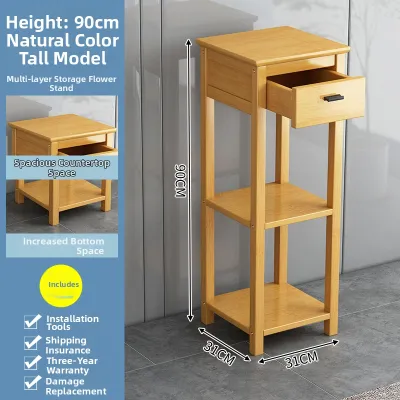
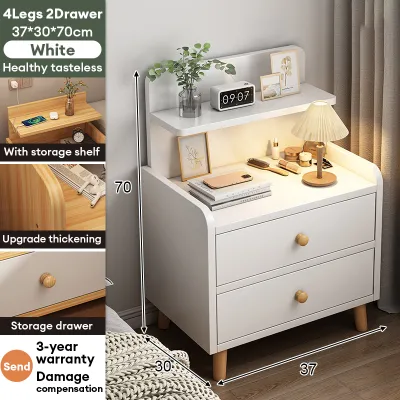
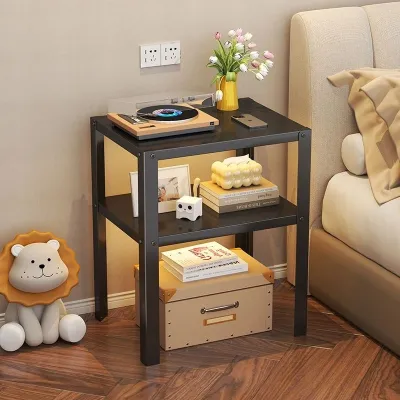
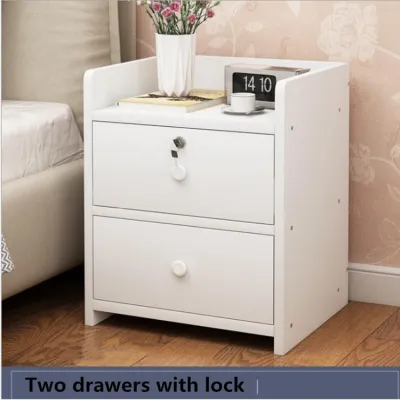
Prices are valid at publication and may change. Please refer to the product page for the latest price.
Assessing Your Bedroom Constraints Before Choosing
Before browsing online marketplaces or local furniture stores, you must evaluate the physical characteristics of your sleeping space. Skipping this step often leads to product failure, especially with no-drill mounting methods that rely heavily on environmental factors.
First, examine your wall material. In many residential layouts, particularly in high-rise condominiums, walls are constructed from painted concrete, plaster, or drywall. Painted concrete is incredibly sturdy but can have a slightly textured surface that prevents adhesives from sealing properly. Drywall is smoother but more susceptible to tearing if an adhesive fails or is removed improperly. Wallpapered walls are entirely unsuitable for adhesives, as the weight of the shelf will simply peel the paper away from the wall.
Next, measure your vertical clearance and floor space. If you are considering a tension rod system, you need to know the exact height from your floor to your ceiling. You must also check for any obstructions, such as air conditioning units, crown molding, or light fixtures, that might block a vertical rod. For wall-mounted options, ensure there is enough clearance next to your mattress so you do not accidentally bump into the shelf when getting in and out of bed.
Finally, estimate the total weight of the items you plan to store. A basic setup consisting of a smartphone, a charging cable, and a pair of eyeglasses weighs less than half a kilogram. However, if you like to keep a ceramic mug of water, a heavy hardcover book, or a small desk lamp by your bed, your storage needs can easily exceed two or three kilograms. Knowing this weight requirement prevents you from overloading a shelf beyond its structural limits.
Adhesive Shelves: Best for Smooth Walls and Light Items
Adhesive bedside shelves are popular for their minimalist appearance and floating effect. They typically use double-sided acrylic tape or adhesive patches to bond directly to the wall surface, requiring no floor space whatsoever.

To ensure an adhesive shelf stays securely on the wall, you must verify that the mounting surface is completely smooth, clean, and non-porous. Ideal surfaces include glazed ceramic tiles, polished glass, smooth metal panels, or sealed, flat wood. If your bedroom wall has even a slight texture, such as orange peel or textured plaster, air pockets will form behind the adhesive, drastically reducing its holding power and leading to eventual failure.
Weight limitations must be respected according to the manufacturer’s exact specifications. While some heavy-duty adhesive shelves claim to support up to five kilograms, a safer operational limit for daily use is usually between one and two kilograms. Overloading the shelf causes constant shear stress on the adhesive bond, which can fail suddenly, especially during warm, humid nights when the ambient temperature softens the adhesive backing.
For renters, removal is a critical consideration. Before purchasing, check the manufacturer’s instructions regarding how to detach the adhesive without tearing the wall paint. Many high-quality adhesives require the application of heat from a hair dryer to soften the bond before you slowly peel it away. If your wall has old, flaky paint or lacks a proper primer coat, the adhesive is highly likely to pull the paint layer off the wall, resulting in repair costs when you move out.
Magnetic Shelves: Ideal for Metal Bed Frames
If you have a metal bed frame or a steel headboard, magnetic shelves offer an incredibly convenient and damage-free storage solution. These shelves use powerful integrated magnets to cling directly to the metal structure of your bed.
Before choosing this option, you must perform a compatibility check on your bed frame. The frame must be made of a ferromagnetic metal, such as iron or steel. Many modern minimalist bed frames are constructed from aluminum, which is non-magnetic and will not hold a magnetic shelf. You can easily test your bed frame beforehand by placing a simple kitchen magnet against it; if the magnet does not stick firmly, a magnetic shelf will not work.
The holding power of a magnetic shelf depends entirely on the magnet grade and the thickness of the metal frame. Look for product specifications that detail the magnet type—such as neodymium—and the rated weight capacity. Keep in mind that a thin, hollow steel frame may not provide enough metal mass for the magnet to achieve its maximum rated pull-force, which can cause the shelf to slide downward when loaded.
To preserve the appearance of your furniture, verify if the magnetic shelf includes scratch-prevention pads. High-quality options feature a thin rubber, silicone, or felt backing over the magnets. This protective layer prevents the metal edges of the shelf from scratching or scraping the powder-coated finish of your bed frame during installation or repositioning.
Tension Rod Systems: Best for Heavy Loads and Renters
Tension rod bedside shelves utilize a vertical metal pole that wedges securely between your floor and ceiling. This system uses an internal spring or a threaded screw mechanism to apply outward pressure, holding the structure firmly in place without any wall fasteners.
This mounting style has strict structural requirements. Both your floor and ceiling must be flat, solid, and capable of withstanding continuous pressure. Solid concrete floors and concrete or plaster ceilings are ideal. You must avoid using tension rods on suspended ceilings, drop ceilings, or thin drywall panels without a stud behind them, as the pressure can easily crack or puncture these fragile surfaces.
You must also account for the physical footprint of a tension rod system. While the shelves themselves can be compact, the vertical rod runs from the floor to the ceiling, which can visually interrupt a small room. The top and bottom caps of the rod require a clear, flat space on both the floor and the ceiling, meaning you cannot place the rod directly flush against a wall if there is baseboard molding or crown molding in the way.
Maintaining stability over time requires periodic checks. Because temperature fluctuations and humidity changes can cause materials to expand or contract, the tension in the rod can slowly decrease. You should follow the manufacturer’s instructions to check the tightness of the rod every few months, giving it a quick twist or adjustment to ensure it remains locked securely in place.
Quick Comparison Matrix for No-Drill Options
To help you quickly evaluate your options, the table below summarizes how each mounting method performs across key practical categories.
| Mounting Method | Ideal Surface Type | Relative Weight Capacity | Space Footprint | Rent-Friendliness | Verify First |
|---|---|---|---|---|---|
| Adhesive | Smooth, flat, non-porous surfaces (glass, tile, sealed wood) | Low (typically 1–2 kg) | Minimal (wall-mounted, zero floor space) | Moderate (risk of paint peeling upon removal) | Check paint quality and wall texture before applying. |
| Magnetic | Ferromagnetic metals (steel, iron bed frames) | Medium (typically 2–4 kg) | Compact (attaches directly to bed frame) | High (zero wall contact, easy to reposition) | Test bed frame with a kitchen magnet before buying. |
| Tension Rod | Solid concrete or plaster floors and ceilings | High (typically 5–10+ kg) | Moderate (requires floor-to-ceiling vertical clearance) | High (no wall contact, leaves no residue) | Ensure ceiling is solid and not a suspended or drop ceiling. |
How to Choose the Right No-Drill Bedside Table
Selecting the right no-drill bedside table comes down to matching your room’s physical limitations with your storage habits. By using a simple process of elimination, you can find the system that keeps your items safe.
Choose an adhesive shelf if you have smooth, securely painted walls, need to keep your floor space completely clear, and only plan to store lightweight items like your phone and glasses. This is the most visually minimalist option, making it excellent for tight spaces next to the bed where a traditional table cannot fit.
Choose a magnetic shelf if your bed has a sturdy steel frame or headboard and you want a storage solution that can be adjusted or moved instantly. This option is completely risk-free for renters, as it never touches your walls and leaves absolutely no residue or marks behind.
Choose a tension rod system if you need to hold heavier items, such as multiple books, a heavy water carafe, or a clamp-on reading lamp. This system is also the safest choice for renters who have textured walls that cannot support adhesives, provided the ceiling and floor are structurally solid.
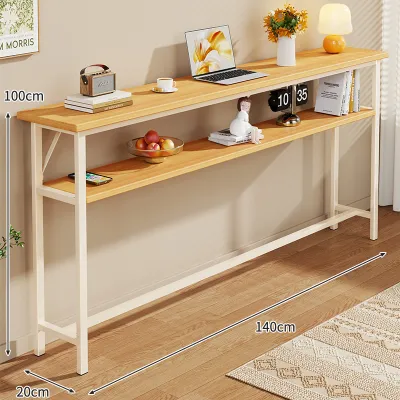
Keep in mind that in some cases, none of these no-drill options may fit your bedroom. If your walls are heavily textured or crumbling, your bed frame is made of wood or upholstery, and your ceiling is a fragile suspended tile system, you should avoid these mounting methods. In such scenarios, an ultra-slim freestanding bedside table or a narrow rolling cart is a much safer, more stable alternative that requires no drilling and carries zero risk of structural damage.
Frequently Asked Questions (FAQ)
Will adhesive shelves damage my wall paint when removed?
Yes, adhesive shelves can damage wall paint if they are removed improperly or if the paint was not applied correctly. The risk of damage depends heavily on the quality of your wall’s primer, the age of the paint, and the humidity levels in your bedroom. To minimize the risk of peeling, always follow the manufacturer’s removal instructions, which often involve using a hair dryer to heat and soften the adhesive before slowly pulling it away at an angle. Testing a small, hidden area of your wall with a similar adhesive strip before full installation can help you gauge how your paint will react.
Can I use a tension rod bedside shelf on a suspended ceiling?
No, you should not install a tension rod bedside shelf on a suspended ceiling, drop ceiling, or any fragile ceiling tiles. Tension rods rely on strong, continuous outward pressure to remain stable and upright. Suspended ceilings are designed to hold lightweight tiles and are not structurally capable of resisting this upward force; attempting to tighten a tension rod against them will likely warp the metal grid or crack the tiles. If you have a suspended ceiling, you must look for alternative storage options, or consult with building management or a professional installer to locate a solid structural beam above the tiles where a rod can be safely secured.

Community discussion
Share your experience or ask a question. Comments are reviewed before publication.