
When shopping for a workspace upgrade in the Philippines, the base and legs of your seating are often overlooked in favor of backrests and seat cushions. However, the foundation of any reliable seat rests entirely on its bottom structure. The type of office chair legs and base you choose directly dictates the chair’s overall stability, weight distribution, mobility, and resistance to environmental wear.
For a budget of ₱3,000 to ₱15,000, your material options range from engineered reinforced plastics to polished, heavy-duty metals. Understanding what each price tier offers ensures you do not overpay for superficial aesthetics while helping you avoid structural compromises that could lead to premature failure. Selecting the right base requires balancing material properties, manufacturing quality, and the specific demands of your local workspace.
Quick Guide to Chair Base Materials by Budget
Navigating the market requires setting realistic structural expectations before committing to a purchase. In the entry-level tier of ₱3,000 to ₱5,000, buyers should look for reinforced nylon or high-density plastic bases. These materials offer excellent flexibility and are highly practical for everyday residential use.
Products mentioned in this guide

Prices are valid at publication and may change. Please refer to the product page for the latest price.
As you move into the mid-range tier of ₱6,000 to ₱10,000, the market transitions toward steel or basic aluminum alloys. These metals provide a more rigid feel and higher weight capacities, though they require careful inspection of their protective coatings.
In the premium tier of ₱11,000 to ₱15,000, polished, high-grade aluminum alloys become the standard. These bases offer a seamless, high-end appearance paired with exceptional structural integrity.
While material choice heavily influences weight capacity and longevity, a well-engineered nylon base with internal rib reinforcement can easily outperform a poorly manufactured, thin-walled metal base. Do not assume a base is superior simply because it is made of metal; design execution is just as critical as the raw material.
Decoding Base Materials and Office Chair Legs: Nylon, Steel, and Aluminum
To make an informed decision, you must understand how different materials behave under daily stress and environmental conditions. Reinforced nylon is a specialized engineered plastic that is lightweight and highly resilient. A primary benefit of nylon in tropical climates is its absolute resistance to rust and corrosion, making it highly durable against high humidity and coastal air. High-quality nylon bases are typically reinforced with glass fiber, which allows the legs to flex slightly under sudden loads, absorbing shock instead of cracking.

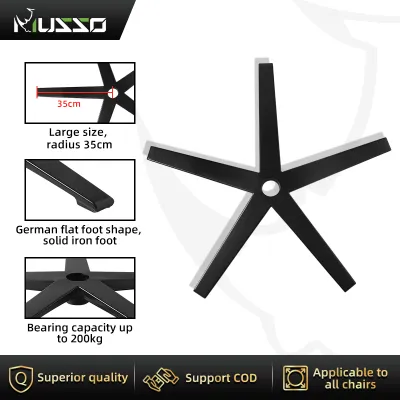
Steel bases are prized for their rigidity and high weight capacity. They offer a solid, unyielding feel that many users associate with durability. However, steel is inherently heavy, which increases the overall weight of the chair and makes it harder to roll across thick carpets or rugs. Additionally, steel is susceptible to rust if its protective powder coating or chrome plating becomes scratched or chipped, a common issue in humid environments.
Aluminum alloy represents the premium standard for modern workplace furniture. This material combines the high strength of metal with a lightweight profile, offering the best of both worlds. Aluminum does not rust in the traditional sense, and it can be polished to a mirror-like finish or painted to match modern office aesthetics.
To verify what you are buying, always check the manufacturer’s specification sheets for terms like “glass-fiber reinforced nylon” or “die-cast aluminum.” When inspecting a chair in person, run your hand along the underside of the base. Look for uniform material thickness, robust internal support ribs, and smooth, clean edges, which indicate high manufacturing standards.
Structural Specs and Design Features That Actually Matter
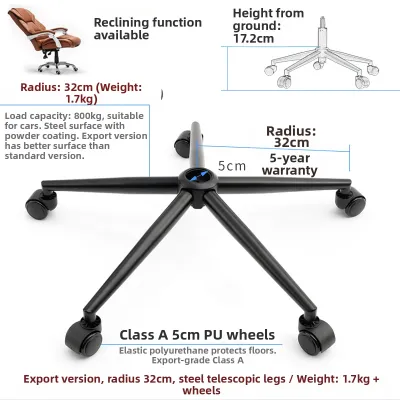
Beyond the material itself, the physical geometry and engineering standards of the base determine its safety and performance. A five-star (five-leg) configuration is the global ergonomic standard for modern office seating. This five-point design distributes your center of gravity evenly, drastically reducing the risk of tipping when you lean back or stretch. Avoid four-leg bases for rolling chairs, as they have unstable tipping angles that can easily lead to accidents.
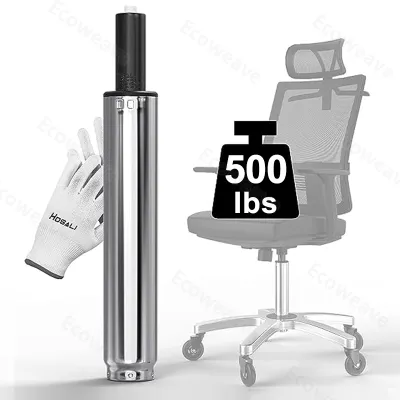
When evaluating weight capacity, look for independent certification ratings rather than generic marketing claims. A reliable base should specify its maximum static and dynamic load limits. Ensure the rated capacity of the base comfortably exceeds your body weight by a reasonable safety margin to account for the sudden forces exerted when sitting down quickly.
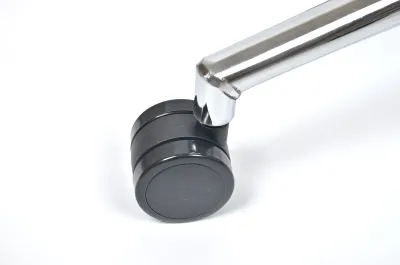
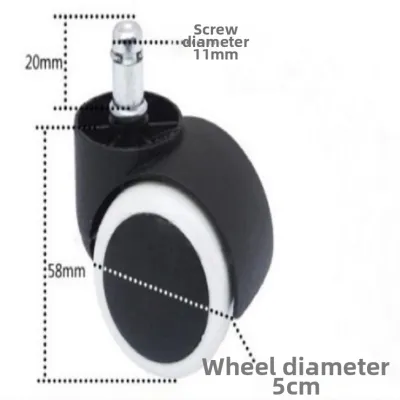
Mobility depends heavily on the connection between the base and the wheels. Most modern bases use a standard 11mm caster stem socket. Pairing a sturdy base with the correct casters is essential; for example, soft polyurethane (PU) wheels are highly recommended to protect hard floor surfaces like ceramic tiles or hardwood, which are common in local homes and offices.
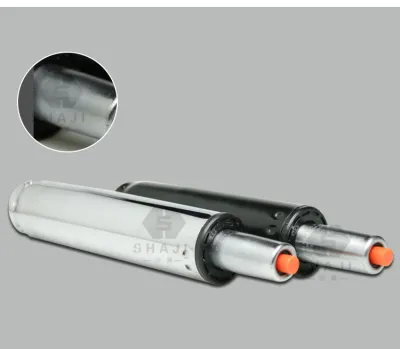
Another critical interface is the center hub, which features a standard 50mm tapered hole designed to receive the gas lift cylinder. This standardized dimension ensures that if your height adjustment mechanism ever loses pressure, you can easily find a compatible replacement cylinder without needing to discard the entire base and leg assembly.
Setting Realistic Expectations Across the ₱3K–₱15K Range
Aligning your budget with realistic material benchmarks prevents post-purchase regret and ensures you get the best value for your money.
Entry-Level Tier (₱3,000–₱6,000)
At this price point, expect to find reinforced nylon bases as the standard offering. Rather than searching for cheap metal alternatives that may compromise on weld quality, focus your attention on the thickness of the nylon legs. Verify that the chair utilizes a certified gas lift cylinder, as a reliable cylinder paired with a thick, well-ribbed nylon base provides a highly stable setup for average daily use.
Mid-Range Tier (₱7,000–₱10,000)
In this bracket, you will encounter a mix of heavy-duty steel and entry-level aluminum bases. This tier delivers increased structural rigidity and a steadier rolling experience. When opting for metal in this price range, carefully inspect the quality of the welds on the underside of the hub and ensure the exterior coating is completely uniform to protect the underlying metal from moisture.
Premium Tier (₱11,000–₱15,000)
At the top of this budget range, high-grade, die-cast aluminum alloys become standard. These bases are manufactured as single, seamless pieces, eliminating weak points caused by welding. The legs should feature a flawless polished or matte finish, with no sharp edges or rough casting marks, providing a premium aesthetic and a rock-solid anchor for advanced ergonomic adjustments.
Frequently Asked Questions (FAQ)
Can I upgrade my existing nylon chair base to a metal one?
Yes, upgrading your chair base is generally a straightforward process. Most office chairs utilize standardized dimensions, specifically an 11mm caster stem diameter and a 50mm gas lift cylinder taper. Before purchasing a replacement metal base, measure your existing legs to ensure the new base matches the original diameter; installing a base with shorter legs can alter the chair’s center of gravity and create a tipping hazard.
Does a heavier chair base always mean it is more durable?
No, weight is not a direct indicator of structural durability. While heavy steel bases are incredibly tough, they add significant mass to the chair, making it harder to move and potentially damaging soft flooring. High-quality engineered nylon and die-cast aluminum alloys are designed to provide exceptional tensile strength and high weight capacities without the unnecessary weight, resulting in a more agile and user-friendly ergonomic chair.

Community discussion
Share your experience or ask a question. Comments are reviewed before publication.