
The ideal pang lagyan ng mga damit depends entirely on your clothing volume, room layout, and daily maintenance habits. In a tropical climate where high humidity and dust are constant challenges, choosing the wrong storage style can lead to musty odors, mold, or cluttered spaces. Rather than relying on a single universal recommendation, this guide helps you diagnose your actual needs and evaluate whether an open rack, a closed cabinet, or a modular system is the most practical fit for your lifestyle before you make a purchase.
Assess Your Clothing Volume and Storage Needs
A successful wardrobe selection begins with a thorough audit of your current clothing collection. Before browsing online marketplaces, take everything out and categorize your items. Grouping your clothes into hanging garments, folded wear, shoes, and accessories will give you a clear picture of the specific storage zones you require.
Count your hanging items to estimate the necessary rail length. Delicate fabrics, formal wear, and structured garments like barongs need to hang freely to maintain their shape. If your collection consists mostly of these items, you will need a system with generous hanging rods rather than deep shelves.
Products mentioned in this guide
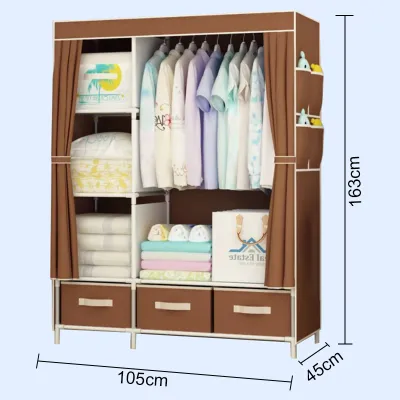
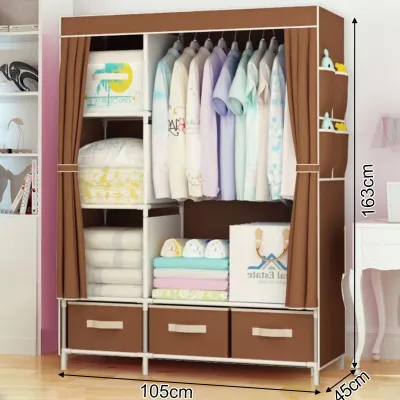
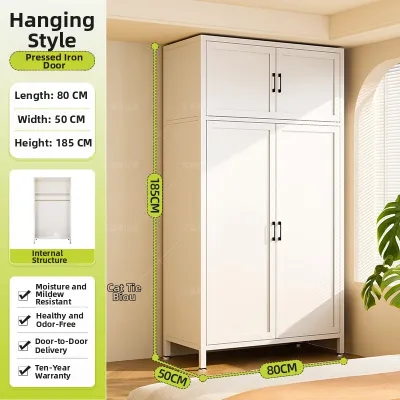
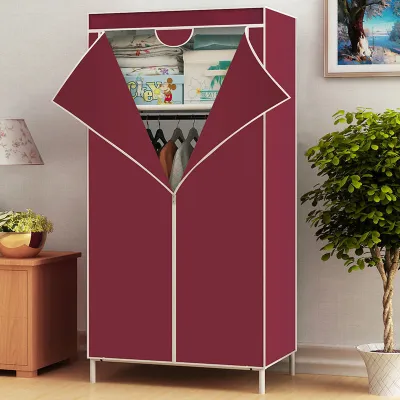
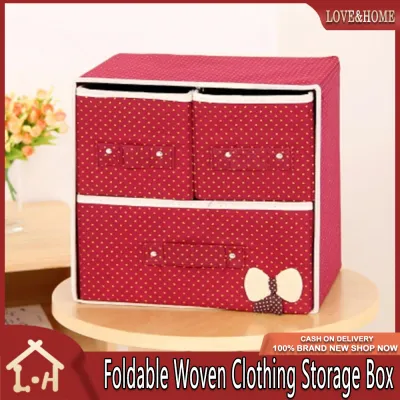
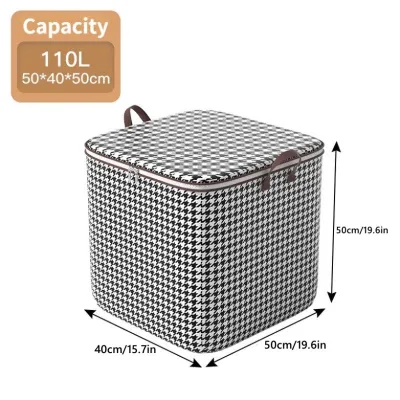

Prices are valid at publication and may change. Please refer to the product page for the latest price.
Conversely, evaluate how many items can be folded. T-shirts, denim, and activewear are best stored on flat shelves or inside drawers to prevent stretching. If you have a large collection of folded clothes, prioritize a wardrobe design that features multiple wide shelves or deep drawer chests.
Do not forget to account for bulky items and future growth. Heavy bedding, travel bags, and seasonal wear require dedicated overhead compartments or deep bottom drawers. Additionally, ensure your chosen storage solution has at least twenty percent extra capacity so you do not outgrow the unit within a few months of purchase.
Evaluate Your Bedroom Space and Layout
Physical room constraints are just as important as your clothing volume when choosing a wardrobe. Start by measuring the exact floor space where the unit will stand, focusing on the depth. You must also measure the ceiling height to ensure tall freestanding cabinets or modular frames can stand upright without hitting light fixtures.

Account for the necessary clearance space in front of the wardrobe. A traditional closed cabinet with swinging doors requires ample room to open fully without blocking pathways or hitting your bed. If your bedroom has limited floor space, sliding doors or open clothing racks are much more practical choices because they do not require extra front clearance.
Verify the delivery and assembly path before making a purchase. Many buy beautiful wooden wardrobes only to find they cannot fit through narrow doorways, tight stairwells, or elevators. If access is restricted, flat-pack furniture that can be assembled directly inside your bedroom is a safer and more manageable option.
Consider the environmental factors of your specific room layout. In tropical regions, placing a closed wardrobe directly against an exterior wall can trap moisture and encourage mold during the rainy season. Ensure there is adequate ventilation around the unit, and avoid placing open racks in direct sunlight to prevent fabric fading.
Compare Wardrobe Types: Open, Closed, and Modular
Understanding the structural and functional differences between the three main wardrobe styles will help you select the most efficient pang lagyan ng mga damit for your home.
Open Wardrobes and Clothing Racks
Open wardrobes and clothing racks are excellent for small bedrooms because they lack solid side panels and doors. This minimalist design allows light to pass through, creating an airy, spacious feel that makes a cramped room appear significantly larger.
This style is ideal for highly curated, visually appealing clothing collections. If you enjoy organizing your clothes by color or style, an open rack turns your wardrobe into a design feature. It also makes getting dressed incredibly efficient, as all your options are visible at a single glance.
However, open storage demands strict organization and frequent cleaning. Without doors to hide messy piles, a single unorganized shelf can make your entire bedroom look chaotic. Furthermore, your clothes lack protection against dust, pests, or ambient humidity, requiring regular maintenance to keep garments fresh.
Closed Cabinets and Freestanding Closets
Closed cabinets and traditional freestanding closets offer maximum protection for your clothing collection. By sealing garments behind solid doors, you shield them from dust, pet dander, and direct sunlight, preserving fabric quality.
This design is highly forgiving for busy individuals who do not have the time for daily organizing. Closing the wardrobe doors instantly conceals any internal clutter, allowing you to maintain a clean, minimalist bedroom aesthetic even if your shelves are temporarily disorganized.
The main trade-off is the physical weight. Closed closets occupy significant visual space and require clearance for doors to operate. Additionally, their fixed internal layouts mean you have limited flexibility to rearrange shelves or rods if your storage needs change in the future.
Modular and Customizable Systems
Modular wardrobe systems provide flexibility by allowing you to build a customized storage solution from standardized parts. You can mix and match open hanging rails, closed drawers, trouser racks, and adjustable shelving within a single unified frame to suit your exact needs.
This adaptability makes modular systems perfect for growing collections or shared bedrooms. If your storage requirements change over time, you can easily adjust shelf heights, add new drawers, or expand the system with compatible accessories without having to buy a completely new wardrobe.
Before purchasing, verify structural stability and weight limits. Ensure the base frame is sturdy enough to support your planned configuration. It is also essential to check that any add-on components are from the same product line to guarantee seamless compatibility and safe assembly.
Match Your Lifestyle and Maintenance Habits
Your daily routine and household dynamics should play a major role in your final decision. If you have a busy lifestyle with limited time for chores, an open wardrobe might become a source of stress. Closed cabinets are much better suited for those who prefer a low-maintenance storage solution that keeps clutter out of sight.
Consider the other members of your household, including children and pets. Open racks are easily accessible, which is problematic if you have curious pets or toddlers who might pull down hanging garments. Enclosed wardrobes with secure doors provide a protective barrier that keeps your clothes clean and safe from accidental damage.
Your aesthetic preferences should also align with your choice. If you love the look of a modern, boutique-style bedroom where your favorite outfits are displayed as art, an open system is a perfect match. If you prefer a calm, uniform sleeping environment free from visual distractions, a closed cabinet is the superior design choice.
Final Decision Checklist Before You Buy
Run through this final verification checklist before buying your new pang lagyan ng mga damit:
First, confirm the exact exterior dimensions against your measured bedroom space, ensuring there is enough clearance for doors, drawers, and daily foot traffic. Second, verify delivery access points, checking that packaged boxes can safely pass through doorways, hallways, and staircases.
Third, review the manufacturer’s weight capacity labels for all hanging rails, shelves, and drawers to ensure they can support your clothing volume. Finally, check anchoring requirements; tall or heavy wardrobes must be secured to the wall to prevent tip-over accidents, especially in active households.
Frequently Asked Questions (FAQ)
Can I combine open and closed storage in one bedroom?
Yes, combining open and closed storage is a highly practical approach that offers the benefits of both systems. You can use a closed cabinet to store your primary wardrobe, delicate fabrics, and seasonal items that need protection from dust and humidity.
At the same time, you can place a small open clothing rack nearby to hold your daily essentials, frequently worn jackets, or coordinated outfits for the upcoming week. This hybrid setup keeps your room looking organized while providing quick, convenient access to your most-used garments.
How do I protect clothes in an open wardrobe from dust?
Protecting clothes on an open rack requires a consistent cleaning routine and targeted garment protection. Regularly vacuuming or sweeping your bedroom floor helps minimize the amount of airborne dust that settles on your exposed clothing.
For delicate, expensive, or rarely worn items like formal suits and evening wear, use breathable fabric garment bags. Avoid using plastic covers, as they can trap tropical moisture and lead to mold growth on your favorite fabrics.

Community discussion
Share your experience or ask a question. Comments are reviewed before publication.