
Choosing the right wall rack organizer for your study room in the Philippines depends on balancing your storage needs, daily workflow, and wall construction. Pegboards offer modular flexibility for small items, floating shelves provide deep storage for heavy books, and rail systems deliver streamlined horizontal access for active files. Matching these options to your specific study habits ensures a clutter-free workspace that withstands local tropical conditions.
Assessing Your Study Room Storage and Wall Constraints
Before purchasing any wall rack organizer, you must evaluate what you intend to store and the physical characteristics of your study room. Study room items vary significantly in weight, depth, and volume. Heavy textbooks, reference manuals, and thick binders require deep, rigid support, whereas lightweight stationery, charging cables, headphones, and small tech accessories need accessible, segmented storage. Placing heavy items on an unsuitable organizer can lead to sagging, wall damage, or structural failure.
Next, analyze your available wall space and its proximity to your desk. A wall rack organizer mounted directly above your desk should not obstruct your monitor or limit your physical movement. Consider the footprint of the organizer; deep shelves might make a small study room feel cramped, while a flat pegboard keeps the workspace open. You must also account for room layout factors, such as window placement and electrical outlets, to ensure your organizer does not block natural light or power access.
Products mentioned in this guide
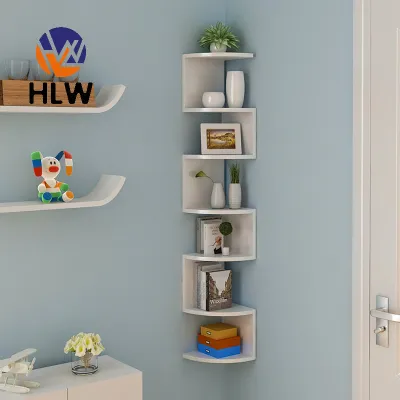
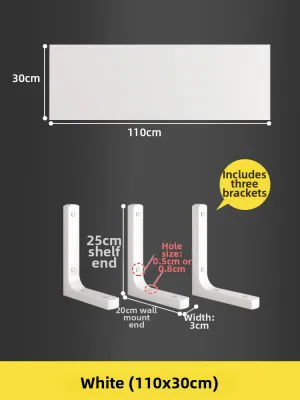
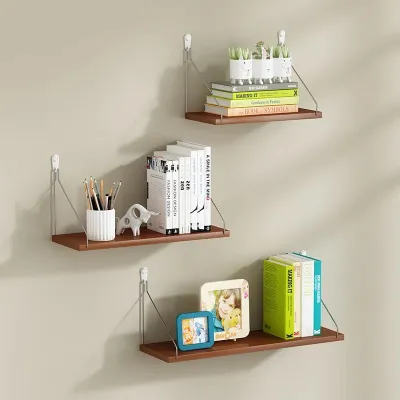
Prices are valid at publication and may change. Please refer to the product page for the latest price.
Finally, identify your wall material, as this dictates which installation methods are viable. In many Philippine homes, walls are constructed from solid concrete, hollow concrete blocks, or plaster-coated masonry. Other modern residential spaces utilize drywall or gypsum board over metal or wood studs. Concrete walls offer exceptional load-bearing capacity but require masonry drill bits and specific wall plugs. Drywall requires careful stud-finding or specialized hollow-wall anchors to prevent the organizer from pulling out of the wall. Additionally, high tropical humidity means you must check the finish of both the organizer and the mounting hardware to prevent rust or moisture damage over time.
Pegboards: Modular Storage for Lightweight Essentials
Pegboards are highly versatile wall rack organizers designed for dynamic, highly customizable storage. They are ideal for keeping lightweight stationery, USB cables, scissors, headphones, and small tech tools organized and within arm’s reach. Because the board features a grid of evenly spaced holes, you can arrange hooks, bins, shelves, and clips in almost infinite configurations to match your exact workflow.

The primary benefit of a pegboard is this modular flexibility. If you change your desk layout or acquire new accessories, you can easily reposition your storage components without drilling new holes in your wall. This makes pegboards particularly useful for creative professionals, students, and tech enthusiasts who frequently update their equipment.
However, pegboards have distinct limitations. They are not designed to support heavy, bulky items like thick textbooks or heavy reference binders, which can bend the hooks or warp the board itself. Furthermore, pegboards require a flat, stable wall surface to sit flush. When installing a pegboard, you must use spacers or a mounting frame to create a small gap between the back of the board and the wall, allowing the hooks to insert properly. In humid environments, look for pegboards with moisture-resistant coatings, such as powder-coated steel or sealed wood composites, to prevent warping or corrosion.
Floating Shelves: High Capacity for Books and Displays
Floating shelves offer a clean, minimalist aesthetic while providing high-capacity storage for heavier study materials. Because they feature hidden mounting brackets, they appear to float on the wall without visible vertical supports. This design maximizes vertical display space and keeps your desk surface completely clear of bulky items.
These shelves are best suited for storing textbooks, reference manuals, binders, and decorative items like small potted plants or framed certificates. The depth of a floating shelf allows you to store items flat or upright, making them highly functional for traditional study rooms that require extensive book storage.
The main trade-off of floating shelves is their fixed position. Once you drill the holes and mount the internal brackets, changing the height or location of the shelf requires patching the wall and starting the installation process over. Additionally, floating shelves do not inherently organize small, loose items like pens or paperclips; you will need to add secondary organizers, such as decorative boxes or bookends, to keep smaller items tidy.
When selecting floating shelves, always check the manufacturer’s specified load-bearing limits and mounting depth. The shelf’s capacity depends heavily on the quality of the internal bracket and the strength of the wall anchors used. For heavy book storage, mounting the brackets directly into wall studs or solid concrete is essential to prevent the shelf from tilting forward under weight.
Rail Systems: Linear Organization for Hanging Accessories
Rail systems utilize a single horizontal track mounted to the wall, from which you can hang various modular accessories. This system is highly efficient for linear organization, allowing you to slide and arrange hanging file folders, lightweight bins, clipboards, and small baskets along a single horizontal axis.
A rail system is particularly effective when mounted directly above a desk or workspace. It keeps active documents, frequently used pens, and reference notes at eye level without occupying valuable desk real estate. The modular accessories can be slid left or right along the rail, allowing you to adjust your setup based on your immediate tasks.
However, rail systems have limitations in depth and weight capacity. They are designed for shallow, lightweight items and are not suitable for deep, bulky, or top-heavy objects. If you try to store large textbooks on a rail-mounted shelf, the leverage can strain the rail and cause it to pull away from the wall.
When installing a rail system, ensuring the track is perfectly level is critical. Even a slight tilt can cause hanging bins and accessories to slide slowly to one side. Additionally, verify that the rail material and its mounting hardware are robust enough to handle the lateral forces of sliding accessories back and forth daily.
Decision Framework: Matching the Organizer to Your Workflow
To choose the best wall rack organizer for your study room, evaluate your daily habits, storage volume, and wall constraints using this conditional framework:
- Choose Pegboards if your workflow involves a variety of small, lightweight, or irregularly shaped tools, and you prefer a highly visual, adaptable setup. This is ideal for tech hobbyists, crafters, and students who need quick access to stationery, cables, and accessories.
- Choose Floating Shelves if your primary storage need is housing heavy books, reference binders, or large decorative items. This setup is best for traditional readers, researchers, and those who prefer a clean, minimalist aesthetic with deep storage capacity.
- Choose Rail Systems if you manage active paperwork, hanging files, and daily task lists, and you want to keep these items organized along a streamlined horizontal plane directly above your desk.
- Verify Wall Compatibility First: Before purchasing any system, verify that your wall material can support the required anchors and load limits. A heavy-duty floating shelf system will fail on weak drywall without proper stud mounting, while a lightweight pegboard can easily be mounted on almost any wall type with the correct hardware.
Installation Safety and Wall Compatibility Checks
Safe installation is the most critical step in setting up any wall rack organizer. Before drilling, you must identify your wall type. Tap the wall gently; a hollow sound typically indicates drywall or gypsum board, while a solid, dull thud indicates concrete, brick, or masonry.
For concrete and masonry walls, use a hammer drill with a masonry drill bit. Insert high-quality plastic wall plugs or concrete anchors that match the screw size. For drywall, use a stud finder to locate the wooden or metal studs behind the wall. Mounting your organizer’s brackets directly into studs provides the highest level of stability. If studs are not positioned where you need them, you must use specialized hollow-wall anchors, such as toggle bolts, which expand behind the drywall to distribute the weight.
Always read the manufacturer’s instruction manual and product labels to verify the maximum load capacity and the required hardware specifications. Never exceed the recommended weight limit, and remember that the total weight includes both the organizer itself and the items you place on it.
If you are unsure of your wall’s material, if you detect electrical wiring or plumbing pipes behind the wall, or if you plan to store exceptionally heavy items that exceed standard residential limits, stop immediately. Consult a qualified professional installer to ensure your wall rack organizer is mounted safely and securely, protecting both your equipment and your home.
Frequently Asked Questions (FAQ)
Can I combine different wall rack organizers in the same study room?
Yes, combining different systems is an excellent way to create a highly functional study room. You can zone your wall space by function; for example, mount floating shelves high on the wall to store heavy books, and install a pegboard or rail system directly below them to keep active tools and stationery within reach. To maintain a cohesive visual style, choose organizers with matching colors, finishes, or materials, such as pairing black metal rails with a black metal pegboard. Always verify that your wall can support the cumulative weight of multiple installations.
How do I check if my wall can support heavy books on floating shelves?
To verify if your wall can support heavy books, start by identifying the wall material. Solid concrete or masonry walls naturally offer the highest load capacity, provided you use appropriate masonry anchors. For drywall, you must locate the vertical studs and ensure the shelf brackets mount directly into them. Next, consult the manufacturer’s specifications for the shelf’s maximum weight limit, keeping in mind that books average about 15 to 20 kilograms per meter of shelf space. If you are uncertain about your wall’s structural integrity or the strength of your anchors, avoid guesswork and consult a professional carpenter or handyman to assess the installation.

Community discussion
Share your experience or ask a question. Comments are reviewed before publication.