
Moving to a new home in the Philippines is an exciting milestone, but the logistics of packing, transporting, and unpacking can quickly become overwhelming. During a lipat bahay, utilizing a structured racks organizer system is one of the most effective ways to keep your belongings sorted, secure, and ready for immediate setup in your new space. Instead of packing everything into generic cardboard boxes that end up piled haphazardly on the floor, integrating specialized organizers directly onto your shelving units allows you to maintain order from day one. By selecting organizers that match your specific rack dimensions and weight capacities, you can protect fragile items, maximize vertical space, and streamline the unpacking process.
Assessing Your Storage Needs Before Lipat Bahay
Before purchasing any racks organizer, you must evaluate the volume, weight, and fragility of the items you plan to transport. Grouping your belongings into distinct categories helps you determine the level of structural support required for each shelf. For instance, heavy kitchen appliances, books, and tools require rigid, high-capacity containers, whereas lightweight linens, clothing, and plastic toys can be accommodated by flexible fabric bins or open dividers.
Next, estimate the total rack space available in your current setup versus the dimensions of the shelving units in your new home. It is common to experience a mismatch in shelf depths or heights when transitioning to a new layout, so having a clear inventory of your racks is essential. Consider whether your new space has built-in closets, wire pantry shelves, or heavy-duty metal garage racks, as each type of shelving requires a compatible organizer style.
Products mentioned in this guide
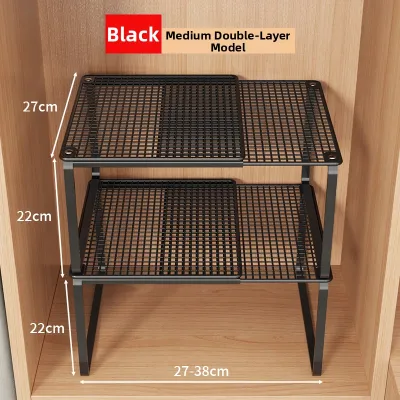
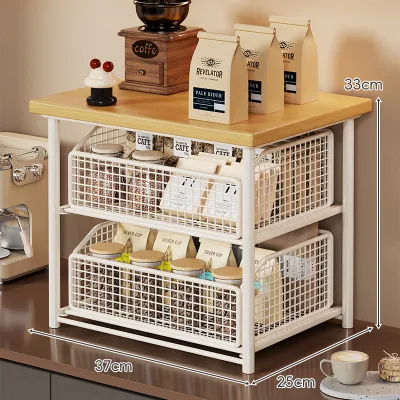
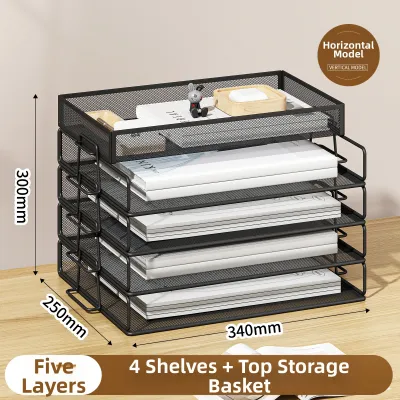
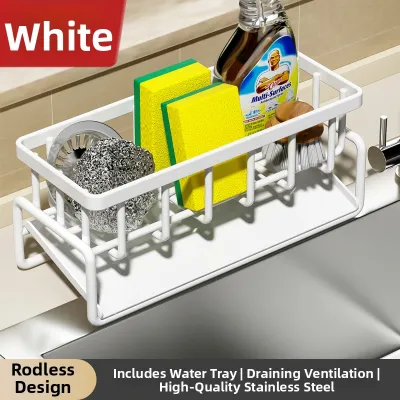
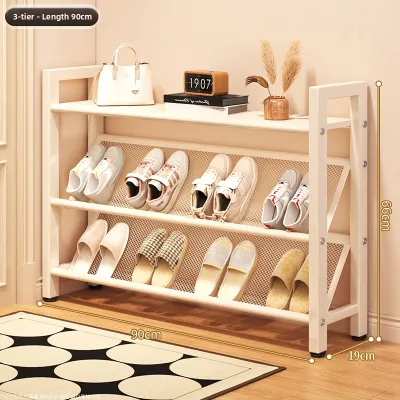
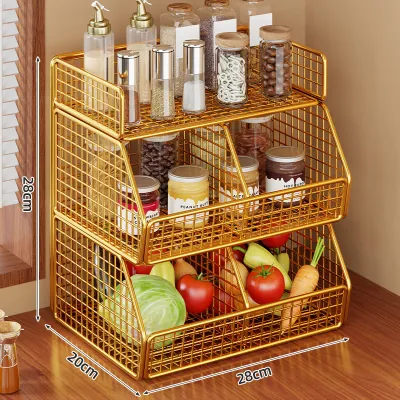
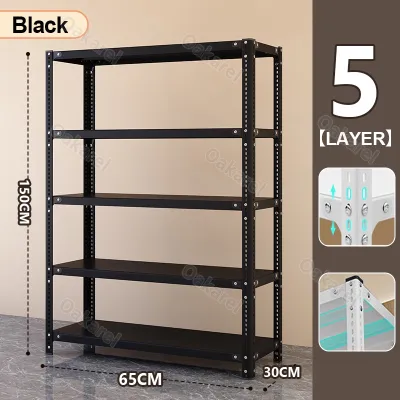
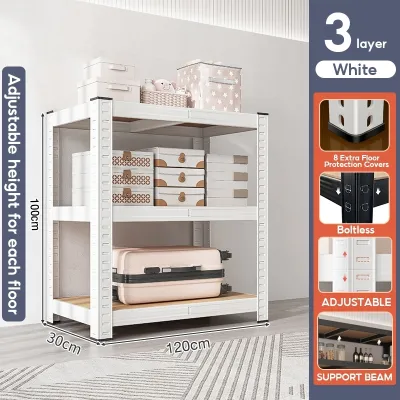
Prices are valid at publication and may change. Please refer to the product page for the latest price.
You should also identify which items require immediate access upon arrival and which can remain packed for the long term. Daily essentials, such as basic cookware, toiletries, and immediate changes of clothes, should be placed in highly visible, easily accessible organizers on middle shelves. Seasonal items, extra bedding, and archival documents can be relegated to enclosed, stackable bins positioned on the very top or bottom shelves.
Finally, consider the environmental conditions of your new location, particularly in the tropical climate of the Philippines. High humidity levels can encourage mold growth on fabric organizers or cause cardboard boxes to sag and fail. If your new home is prone to dust or moisture, prioritizing moisture-resistant plastic bins with secure lids will help safeguard your belongings during transit and long-term storage.
Types of Rack Organizers Suited for Moving
Selecting the right organizer involves matching the physical characteristics of your belongings with the structural design of the container. Different organizer types address specific challenges encountered during a move, such as preventing items from shifting during transit or maximizing vertical clearance. Understanding the strengths of rigid, flexible, and modular options allows you to build a highly functional storage system.

Stackable Bins and Crates
Rigid stackable bins and heavy-duty plastic crates are excellent choices for transporting heavy, dense, or irregularly shaped household goods. Items like books, hand tools, pantry cans, and small kitchen appliances benefit from the solid perimeter protection that plastic containers provide. When loaded onto wire or smooth wooden shelves, these bins distribute weight evenly and prevent individual items from tipping over.
When shopping for stackable options on local e-commerce platforms, pay close attention to the interlocking mechanisms on the lids and bases. High-quality bins feature recessed lids that allow the base of another bin to sit securely inside, minimizing the risk of sliding or shifting when the rack is moved or subjected to vibrations. Ensure the plastic is thick enough to resist bowing under load, especially if you plan to stack them several units high.
Additionally, evaluate the ventilation requirements of the items you are storing. While airtight, sealed bins are ideal for protecting documents and electronics from tropical humidity, they can trap moisture if damp items are placed inside. For pantry items, fresh produce, or cleaning supplies, open-weave plastic crates or ventilated baskets are often more appropriate to allow continuous airflow and prevent musty odors.
Hanging Organizers and Shelf Dividers
For soft goods, clothing, and lightweight accessories, hanging organizers and vertical shelf dividers offer an efficient way to utilize vertical space without adding unnecessary weight to your rack frames. Hanging fabric organizers, which typically attach to a top garment rod or upper shelf frame using heavy-duty hook-and-loop fasteners, create instant shelving compartments for folded shirts, towels, and shoes.
Vertical shelf dividers, made from acrylic or thin wire, slide directly onto existing shelves to segment long surfaces into distinct compartments. This prevents stacks of folded linens, blankets, or t-shirts from toppling over into adjacent piles. Dividers are particularly useful during a move because they allow you to organize items by category before packing, making it easy to lift entire sorted stacks directly onto your new shelves.
Before purchasing hanging organizers, verify the weight limits specified by the manufacturer for both the organizer and the rack’s hanging rod. Overloading a fabric hanging unit can cause the seams to tear or place uneven stress on one side of your rack, potentially compromising its stability. Look for models with reinforced bases in each compartment to prevent sagging over time.
Modular Inserts and Adjustable Dividers
Modular inserts and adjustable grid dividers are designed for organizing fragile, small, or irregularly shaped objects that tend to roll around or get damaged during transit. These systems allow you to customize the internal layout of a shelf or bin, creating individual compartments for glassware, electronics, delicate decor, or cosmetics.
When selecting modular inserts, check their compatibility with your existing shelf depths and front lip clearances. Some inserts are designed to slide out like drawers, which requires sufficient clearance in front of the rack to operate smoothly. Ensure that the adjustable grids lock firmly into place so they do not collapse or shift when the rack experiences movement during the lipat bahay process.
Using adjustable dividers balances the need for flexible storage with the necessity of secure containment. By tailoring the compartment size to the exact dimensions of each item, you minimize internal movement, which is the primary cause of breakage during a move. This customizable approach ensures that even your most delicate belongings remain cushioned and stationary.
Essential Features to Verify Before Purchase
To ensure your racks organizer investment is successful, you must verify several physical and structural attributes before making a purchase. First and foremost, check the weight capacity limits of both the organizers and your shelving units. Distributing weight properly is critical; placing heavy items in lightweight plastic drawers can cause the frames to warp, while overloading upper shelves can make the entire rack top-heavy and prone to tipping.
Confirm the exact external dimensions of the organizers, including width, depth, and height, and compare them against the usable space of your rack frames. Do not rely solely on visual estimates from online product listings, as photos can be deceptive. A bin that is even a few millimeters too deep may overhang the shelf edge, preventing closet doors from closing or creating a safety hazard in high-traffic hallways.
Assess the assembly requirements and portability of the organizers themselves. For a lipat bahay, collapsible or folding fabric bins are highly advantageous because they can be packed flat when not in use, saving valuable space in the moving truck. If an organizer requires complex assembly with screws or specialized tools, consider whether you have the time and equipment to assemble it during the busy moving period.
Examine the material safety, edge finishing, and overall build quality of the products. Look for smooth, rounded edges on plastic bins to prevent accidental scratches on your wooden shelves or injuries during handling. If you plan to store clothing or linens, ensure the materials are free from chemical odors that could transfer to your fabrics, and check for ventilation holes if the items will be stored in humid environments.
Finally, compare prices in ₱ across different online marketplaces, but remember to factor in shipping dimensions and return policies. Large, rigid plastic bins can incur high shipping fees due to their volumetric weight, even if the purchase price is low. Check if the seller offers bulk discounts or bundled sets, and verify that the return policy covers items damaged during transit, as cracked plastic bins are a common shipping issue.
Measuring and Planning Your Rack Layout
Accurate measurement is the foundation of an organized and stable shelving system. Before buying any organizers, use a metal measuring tape to record the internal width, depth, and vertical clearance between each shelf of your racks. Measure at multiple points, as metal or wooden shelves can sometimes sag slightly in the middle, reducing the actual clearance available.
Be sure to account for structural elements that reduce usable space, such as vertical frame posts, support bars, diagonal cross-braces, and front lip clearances. For example, a wire rack might have corner collar sleeves that protrude into the shelf space, meaning an organizer that matches the theoretical width of the shelf will not fit past the posts. Always subtract a small safety margin of about one to two centimeters from your measurements to ensure a smooth fit.
Plan your weight distribution carefully to maintain the physical stability of the rack. As a general safety rule, place your heaviest organizers and items on the lowest shelves to lower the center of gravity. Middle shelves should hold medium-weight items that you access frequently, while the top shelves should be reserved exclusively for lightweight, bulky, or rarely used belongings.
Creating a simple layout map on paper or a digital device can help you visualize how different organizer types will fit together. Sketch each shelf and experiment with different combinations of wide bins, narrow dividers, and hanging units. This planning step prevents you from buying too many of one organizer type and ensures that every square centimeter of your shelving is utilized efficiently.
Packing and Loading Best Practices
Once you have selected and measured your organizers, executing proper packing and loading techniques is essential to prevent damage during your lipat bahay. Distribute the weight evenly within each individual bin or basket, placing the heaviest items at the bottom of the container and lighter items on top. This prevents the organizer from becoming unbalanced when you lift it off the shelf.
Secure any loose items inside the organizers using bubble wrap, packing paper, or soft towels, especially if the bins will be transported while loaded. Use adjustable dividers to lock items in place so they do not slide back and forth during transit. For open baskets or crates, consider wrapping the entire unit in stretch film to keep the contents secure while carrying them to the moving vehicle.
Implement a clear, consistent labeling system on the front and sides of every organizer. Use waterproof labels or high-contrast markers on masking tape to write the contents and the designated room of the new house. Placing labels on multiple sides ensures you can identify the contents regardless of how the organizer is oriented on the rack or stacked in the truck.
Lastly, monitor the structural integrity of your racks as you load them. If you observe any bowing of the shelves, cracking sounds, or overall instability, stop loading immediately. Consult the rack manufacturer’s guidelines to verify the maximum load capacity, and redistribute the weight to other units or lower shelves to ensure a safe moving environment.
Frequently Asked Questions (FAQ)
Can I use standard storage boxes on wire racks?
Yes, but you must take precautions to ensure stability. Standard cardboard boxes or small plastic containers with narrow feet can wobble or sag on the uneven surface of wire shelving. To prevent this, place a rigid shelf liner, a cut piece of thick cardboard, or a thin wooden board over the wire grates before positioning your boxes. This creates a flat, stable surface that distributes the weight evenly and prevents smaller items from slipping through the gaps.
How do I prevent rack organizers from sliding off shelves?
To secure organizers on smooth wooden, metal, or glass shelves, look for products that feature built-in rubber feet, non-slip silicone pads, or interlocking base designs. If your organizers do not have these features, you can line your shelves with inexpensive roll-on non-slip drawer liners. Alternatively, placing small adhesive rubber bumpers on the bottom corners of your bins or using adjustable tension rods between shelves can effectively hold dividers and containers firmly in place.
Should I disassemble rack organizers before the actual move?
It depends on the material and construction of the organizers. Collapsible fabric bins, hanging organizers, and modular plastic grids should be emptied and folded flat to save space in the moving truck and prevent them from getting crushed. For rigid plastic bins and heavy-duty crates, it is often more efficient to leave them assembled and filled with secured items, as they can act as sturdy moving boxes themselves. Always place small hardware, hooks, or loose divider pins in a labeled, sealed bag and tape it securely to the main organizer frame to avoid losing essential parts.

Community discussion
Share your experience or ask a question. Comments are reviewed before publication.