
Is a Rattan Cabinet Right for Your Bedroom Storage?
Deciding on the right wardrobe involves balancing visual warmth with long-term durability. A rattan cabinet offers a distinct, textured aesthetic that instantly softens a bedroom’s atmosphere, but it introduces unique functional trade-offs that you must consider before buying. In tropical climates like the Philippines, where high humidity and seasonal temperature shifts are standard, choosing furniture materials requires a practical understanding of how those materials behave over time.
Modern rattan cabinets designed for bedroom storage are rarely constructed entirely of woven fibers. Instead, they typically feature woven rattan webbing or panels integrated into a structural frame made of solid wood, metal, or engineered wood. This hybrid construction provides the necessary stability for hanging heavy garments while showcasing the airy, organic texture of natural weaving on door fronts or drawer faces. To determine if this style fits your home, you must weigh your local indoor climate, the types of items you plan to store, and your willingness to perform simple, routine maintenance.
The Main Benefits of Rattan Cabinets for Bedroom Storage
Integrating woven elements into your bedroom layout offers both functional advantages and design flexibility. When selected carefully, these pieces address common storage challenges while enhancing the room’s overall feel.
Products mentioned in this guide
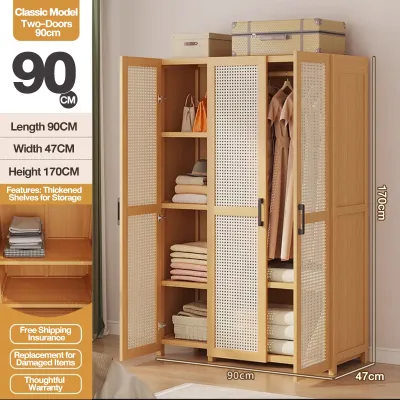
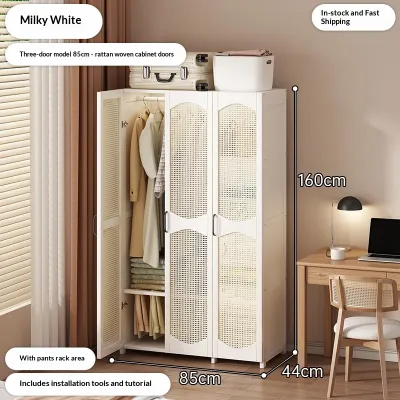

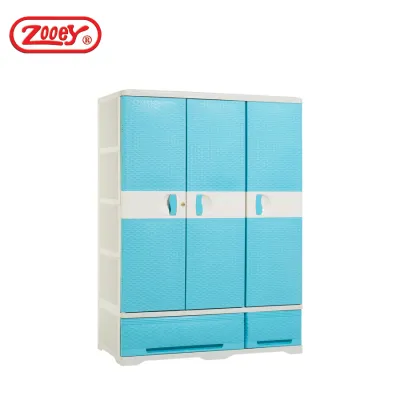
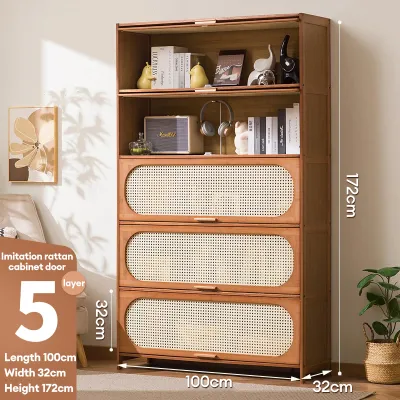
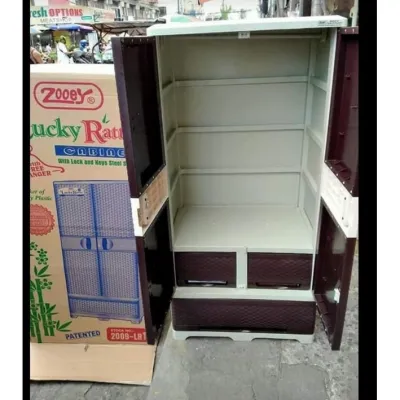
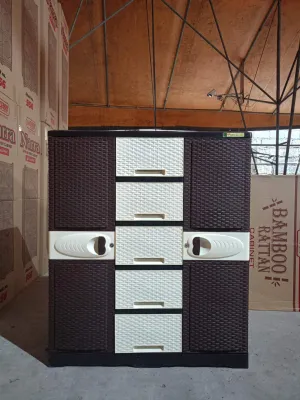

Prices are valid at publication and may change. Please refer to the product page for the latest price.

Breathability and Odor Control
The primary functional benefit of woven rattan panels is natural ventilation. Unlike solid wood, metal, or laminate doors that seal clothing in an airtight chamber, the open weave of rattan allows continuous airflow. In humid regions, stagnant air inside a closed closet often leads to trapped moisture, creating a breeding ground for musty odors, mildew, and mold on fabrics. Storing everyday wear, linens, and cotton towels in a well-ventilated cabinet helps keep garments smelling fresh and reduces the risk of moisture damage.
However, this continuous airflow comes with a specific trade-off regarding dust protection. Because the weave contains tiny openings, fine airborne dust can settle on stored items over time. If you plan to store formal wear, delicate silks, or items that are only worn occasionally, you will need to take extra precautions. Using breathable garment bags or storing dust-sensitive items in sealed internal organizers will protect your wardrobe while still allowing you to enjoy the external aesthetic of the woven doors.
Aesthetic Appeal and Lightweight Handling
Visually, rattan introduces an organic, layered texture that breaks up the flat, heavy surfaces common in bedroom furniture. The natural golden-brown tones of genuine rattan bring warmth to various interior styles, ranging from tropical and bohemian to Scandinavian and modern minimalist. This versatile material reflects light softly, helping a large storage unit appear less imposing in a small or moderately sized bedroom.
In addition to its visual lightness, rattan panels are physically lighter than solid wood or thick glass door panels. This reduction in door weight minimizes the strain on hinges and makes opening and closing the wardrobe effortless. If you frequently rearrange your bedroom layout or live in a rental property where moving furniture is a regular occurrence, a cabinet with lightweight rattan doors is significantly easier to handle and transport. Keep in mind, however, that the total weight of the unit is determined by its structural frame; a solid mahogany frame will still require multiple people to lift, whereas an engineered wood frame will be much lighter.
Limitations and Durability Risks in Humid Climates
While the aesthetic and ventilation benefits of rattan are compelling, natural fibers react dynamically to their environment. Understanding these vulnerabilities allows you to take preventive measures to protect your investment.
Moisture, Mold, and Pest Vulnerabilities
Natural rattan is a porous organic material that readily absorbs ambient moisture from the air. In areas with high relative humidity, particularly during the rainy season in the Philippines, untreated or poorly sealed natural rattan can remain damp for extended periods. This persistent moisture can lead to localized mold growth, which can stain the fibers and eventually transfer to your clothing. Furthermore, untreated natural fibers are susceptible to wood-boring pests, such as powderpost beetles (locally known as bukbok), which can compromise the structural integrity of the weave.
To mitigate these risks, always verify the manufacturer’s material treatments before purchasing. Look for cabinets that utilize kiln-dried wood frames and natural rattan that has been treated with anti-fungal solutions and sealed with a protective polyurethane or clear lacquer topcoat. If your bedroom is exceptionally prone to dampness or lacks consistent ventilation, consider high-quality synthetic polyethylene (PE) rattan. PE rattan replicates the appearance of natural weave but is completely impervious to moisture, mold, and pest infestations, making it an excellent low-maintenance alternative for high-humidity zones.
Weight Capacity and Structural Limits
It is crucial to recognize that woven rattan panels are decorative or semi-structural components; they are not designed to bear direct, heavy loads. Pushing heavy storage boxes tightly against the inside of a rattan door, or hanging heavy items directly on the woven webbing, can cause the fibers to stretch, sag, or tear over time. Once a rattan weave is ruptured, repairing it typically requires professional re-weaving, which can be costly and difficult to color-match.
Your wardrobe’s actual load capacity—specifically for hanging rods, internal shelves, and drawers—depends entirely on the quality of the supporting frame. For example, a cabinet built with a solid hardwood frame (such as mahogany or gmelina) will support heavy winter coats, thick denim, and stacked storage boxes without bowing. Conversely, a frame made of low-density fiberboard or thin plywood will have much lower weight thresholds. Always check the manufacturer’s specified weight limits for individual shelves and hanging rails to prevent structural sagging or joint failure.
Comparing Rattan to Wood, Metal, and Engineered Boards
To help you determine which material combination best suits your bedroom, it is helpful to compare rattan-accented cabinets against other common wardrobe materials across key performance dimensions.
| Material Type | Moisture Resistance | Maintenance Level | Price Range (PHP) | Primary Aesthetic |
|---|---|---|---|---|
| Rattan-Accented (Wood Frame) | Moderate (Requires protective sealant) | Moderate (Needs detailed dusting) | ₱12,000 – ₱35,000+ | Warm, organic, tropical-modern |
| Solid Wood | High to Moderate (Depends on finish) | Low to Moderate (Occasional polishing) | ₱15,000 – ₱50,000+ | Classic, heavy, traditional |
| Engineered Wood (MDF/Particleboard) | Low (Swells easily if exposed to moisture) | Low (Simple wipe-down) | ₱5,000 – ₱18,000 | Sleek, uniform, contemporary |
| Metal | High (If treated with rust inhibitors) | Low (Wipe-down) | ₱8,000 – ₱22,000 | Industrial, minimalist, utilitarian |
Durability & Moisture
Solid wood and metal offer superior structural durability compared to both rattan and engineered wood. However, solid wood can warp or crack if exposed to extreme humidity fluctuations, and untreated metal can rust in coastal or humid environments. Engineered wood (MDF or particleboard) is highly vulnerable to moisture; if water penetrates the outer laminate layer, the core fibers will swell and crumble. Rattan-accented cabinets sit in a middle ground: while the woven panels are sensitive to moisture, their open structure prevents moisture from being trapped inside the cabinet, protecting both the frame and your clothes.
Maintenance
Smooth surfaces like solid wood, metal, and engineered boards are incredibly easy to clean, requiring only a quick wipe with a dry or slightly damp cloth. Rattan, with its intricate over-and-under weave, contains countless small crevices that collect dust. Cleaning a rattan cabinet requires a more detailed approach, involving soft brushes or vacuum attachments to keep the crevices clear.
Cost & Value
mass-produced engineered wood cabinets represent the lowest entry-level price point, but they generally have a shorter lifespan. Solid wood cabinets command the highest prices due to material costs and longevity. Rattan-accented cabinets on solid wood frames fall into the mid-to-high price tier. The price reflects the craftsmanship required to hand-weave and install the natural panels. When built on a sturdy frame, a rattan cabinet offers excellent long-term value, combining unique design appeal with structural durability.
Aesthetics
While solid wood offers timeless elegance and metal provides a clean, industrial look, neither can replicate the soft, tactile warmth of rattan. Engineered wood often relies on printed wood-grain laminates, which can look flat. Rattan adds depth, shadow, and organic texture, making it a standout focal point that elevates the entire bedroom design.
Practical Maintenance and Care for Rattan Wardrobes
Preserving the beauty and structural integrity of a rattan wardrobe requires consistent, low-risk care. By establishing a simple maintenance routine, you can prevent common issues like fiber brittleness, mold, and dust accumulation.
First, address dust accumulation within the weave. Use a soft-bristle brush, such as a clean paintbrush or a dedicated furniture brush, to gently sweep dust out of the crevices. Alternatively, use a vacuum cleaner equipped with a soft upholstery brush attachment on a low-suction setting. This prevents dust from building up and combining with ambient moisture, which can create a stubborn grime that is difficult to remove.
When deeper cleaning is necessary, follow these steps carefully:
- Lightly moisten a microfiber cloth with clean water. The cloth should be barely damp, not wet. Never saturate natural rattan, as excess water can penetrate the fibers and cause them to swell or mildew.
- Gently wipe the surface of the weave and the frame to remove surface smudges.
- Avoid using harsh chemical cleaners, bleach, or abrasive scrubbing pads, which can strip away the protective lacquer finish and leave the natural fibers exposed to the elements.
- Immediately dry any damp areas with a clean, dry towel, and ensure the room is well-ventilated so the furniture dries completely.
Environmental control is equally important. Avoid placing your rattan cabinet in direct, intense sunlight, such as right next to a west-facing window. Prolonged exposure to UV rays can dry out natural rattan fibers, causing them to fade, crack, and become brittle. To manage humidity during the wet season, consider running a dehumidifier in your bedroom or placing moisture-absorbing silica gel packets inside the wardrobe drawers and hanging sections. Always defer to the specific care instructions provided by your furniture manufacturer, as specialized finishes may require unique maintenance steps.
Quality Checklist: What to Inspect Before Buying
Before finalizing your purchase, perform a hands-on inspection of the cabinet to ensure it meets high standards of quality, safety, and suitability for your space.
- Frame Material and Stability: Verify the composition of the structural frame. Look for solid hardwoods (like mahogany, teak, or gmelina) or high-grade metal frames for maximum durability. Gently shake the cabinet from the top to check its stability. Ensure the unit includes wall-anchoring hardware, especially if you have a tall wardrobe, to prevent tip-over risks.
- Weave Quality and Tension: Inspect the rattan panels closely. The weave should be tight, uniform, and free from large gaps. Run your hand gently over the surface to check for loose strands, sharp splinters, or broken fibers that could catch and snag delicate clothing like knits or lace.
- Finish and Coating: Check that both the frame and the rattan panels have an even, smooth protective coating. A quality lacquer or polyurethane finish should feel smooth to the touch and cover the entire weave, protecting it from moisture absorption.
- Hardware and Moving Parts: Test the doors and drawers multiple times. Hinges should operate smoothly without squeaking, and drawers should slide easily on their tracks. Look for heavy-duty metal hardware, as these high-use components are critical to the wardrobe's lifespan.
- Dimensions and Clearance: Measure your bedroom space carefully. Ensure there is enough clearance for the cabinet doors to swing fully open without hitting your bed, nightstands, or other furniture. Don't forget to account for baseboard gaps and ensure the unit can fit through your doorways, stairwells, or apartment lifts during delivery.
Frequently Asked Questions (FAQ)
Can I use a rattan cabinet in an air-conditioned bedroom?
Yes, you can use a rattan cabinet in an air-conditioned bedroom, but you should monitor the humidity levels. Air conditioning effectively lowers indoor humidity, which is highly beneficial for preventing mold and mildew growth on natural fibers. However, prolonged exposure to dry, cold air can eventually cause natural rattan to lose its natural moisture, leading to brittleness and cracking over time. To maintain the ideal balance, avoid placing the cabinet directly in the path of the air conditioner’s cold air stream. If the manufacturer recommends it, you can occasionally apply a light coat of specialized furniture oil or conditioner to keep the natural fibers supple.
Are rattan wardrobes safe for heavy clothing and shoes?
Yes, provided you do not load heavy items directly onto the woven rattan panels. The safety and load capacity of the wardrobe depend entirely on the internal frame, shelf materials, and support hardware. If the cabinet features solid wood shelves and a reinforced hanging rod, it can easily support heavy items like denim, shoes, and thick outerwear. Always distribute weight evenly across the shelves, placing heavier items like shoes or storage boxes at the bottom of the cabinet to maintain a low center of gravity. Strictly follow the manufacturer’s stated weight limits to prevent structural damage.

Community discussion
Share your experience or ask a question. Comments are reviewed before publication.