
Selecting a rattan headboard requires balancing aesthetic preferences with precise structural dimensions. To achieve a polished look, you must ensure the headboard aligns perfectly with your bed frame while fitting comfortably within your bedroom’s physical layout. Because rattan is a natural, lightweight, yet highly rigid material, its dimensions are rarely adjustable after purchase, making upfront planning essential.
To find the ideal rattan headboard size, you must measure your existing bed frame, calculate your wall clearance, and determine the safest mounting method for your home. By following a structured approach to sizing, you can avoid common installation pitfalls and ensure your new headboard serves as a beautiful, stable centerpiece for your bedroom.
Understanding Standard Bed Frame and Headboard Widths
To select the correct headboard size, you must first establish a baseline using standard bed frame widths. In the Philippines, bed frames generally correspond to standard mattress sizes, though the frame’s actual outer dimensions will vary based on its design. Standard mattress widths include Single (36 inches or 91 cm), Double (54 inches or 137 cm), Queen (60 inches or 152 cm), and King (72 inches or 183 cm).
Products mentioned in this guide

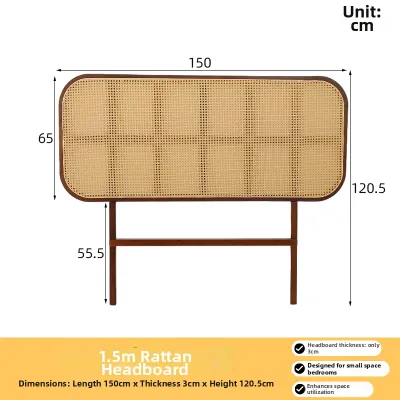
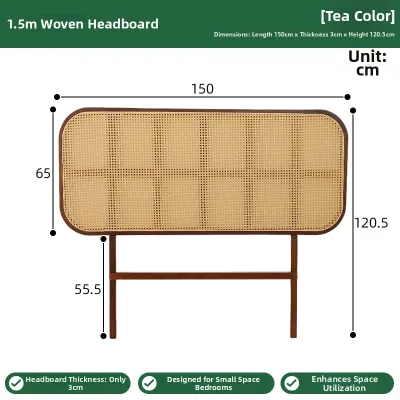

Prices are valid at publication and may change. Please refer to the product page for the latest price.
When matching a rattan headboard to these dimensions, you can choose between two primary design styles: a streamlined, flush look or an extended, anchored look. A flush-fit headboard matches the exact width of your bed frame, creating a clean, modern silhouette that works exceptionally well in compact bedrooms. Alternatively, an extended headboard extends 2 to 4 inches (5 to 10 cm) past each side of the mattress frame, offering a layered, luxurious appearance that anchors the bed as the room’s main focal point.
Rattan headboards are often handcrafted or manufactured in standardized batches, meaning their widths may not perfectly align with every custom or imported bed frame. Because raw rattan is shaped using heat and steam before being bound into a rigid frame, these pieces cannot be trimmed or stretched to fit. It is vital to request and review the manufacturer’s detailed product specification sheet, checking the exact centimeter measurements rather than relying solely on generic size labels.
Before purchasing, you must measure the actual outer edges of your bed frame rather than relying on the nominal size of your mattress. Platform bed frames, upholstered surrounds, and wooden frames with wide decorative borders can add several inches of width to the bed’s footprint. If your bed frame features a wide outer lip, a standard-sized headboard matching only the mattress width will look awkwardly narrow and may prove difficult to mount securely.
How to Measure Your Bedroom Space for a Rattan Headboard
A headboard does not exist in isolation; it must harmonize with the surrounding walls and architectural features of your bedroom. Begin by measuring the total width of the wall space behind your bed, noting the location of any structural obstacles. In tropical climates, you must pay close attention to the placement of split-type air conditioning units, low-hanging window frames, wall-mounted light fixtures, or built-in electrical outlets.

Next, evaluate the clearance required for your bedside tables to ensure they remain fully functional. If you choose an extended-width rattan headboard, verify that it will not overlap with your nightstands or force them into awkward positions that block drawers or electrical outlets. Ideally, there should be a clear visual separation between the outer edge of the headboard and the inner edge of your bedside tables, preserving natural walking paths around the bed.
The visual weight of woven rattan also plays a significant role in how spacious your bedroom feels, especially in compact condominium units or townhouses. Solid, tightly woven rattan panels can feel visually heavy and may dominate a small room, whereas open-weave designs like peacock, cane, or open-spoke patterns allow light and air to pass through. This airy quality is excellent for maintaining a breezy, tropical aesthetic, but it still requires adequate physical wall space to avoid looking cluttered.
Finally, measure the vertical distance from the floor to your ceiling to ensure a tall headboard does not visually overwhelm the room. Rooms with low ceilings benefit from shorter, horizontally oriented headboards that make the space feel wider. Conversely, high-ceilinged rooms can easily accommodate tall, arched rattan headboards, which draw the eye upward and maximize the vertical architecture of the space.
Deciding on Headboard Height and Depth
The height of your rattan headboard affects both the room’s proportions and your daily comfort when sitting up in bed. Standard headboards typically extend 14 to 24 inches (35 to 61 cm) above the top of the mattress, offering a balanced look that accommodates standard pillows. Tall statement headboards can rise 30 to 40 inches (76 to 102 cm) or more above the mattress, creating a dramatic backdrop that remains highly visible even when the bed is piled with decorative pillows.
The depth, or thickness, of the headboard is another critical dimension that directly impacts your room’s layout. Slim, flat-woven rattan panels typically feature a profile of just 1 to 2 inches (2.5 to 5 cm), making them ideal for tight spaces where every centimeter of floor space counts. In contrast, thicker box-frame rattan designs or those with integrated wooden supports can have a depth of 3 to 6 inches (7.6 to 15 cm), which will push your bed further away from the wall.
To ensure long-term comfort, perform a functional check of the headboard height in relation to your sitting position. When you prop yourself up to read or watch television, your back and head should rest comfortably against a flat, supportive section of the headboard. Check that the top edge of the frame or any decorative open-work weaves do not align awkwardly with your head or neck, which can cause discomfort or catch on your hair and pillows.
You must also account for the exact thickness of your mattress and any mattress toppers when calculating the visible height of your headboard. A thick, multi-layered pocket-spring mattress can easily stand 12 to 16 inches high, which will obscure a significant portion of a shorter headboard’s design. Measure from the top of your bed frame’s slats to the top of your fully dressed mattress to determine exactly how much of the rattan pattern will remain visible.
Installation Methods and Space Requirements
How you plan to mount your rattan headboard dictates the specific dimensions and hardware you will need to secure it safely. Wall-mounted headboards are physically detached from the bed frame and hung directly onto the wall, which is an excellent option for maximizing stability. Because many homes in the Philippines feature solid concrete or concrete hollow block walls, wall-mounting requires a masonry drill, plastic or metal wall plugs, and heavy-duty screws to support the headboard’s weight safely.
Bed-frame-attached headboards mount directly to the back of your existing bed frame using bolts, brackets, or modified struts. Before selecting this style, inspect your bed frame’s headboard rail to verify the presence of pre-drilled holes and measure the distance between them. You must check that the headboard’s mounting legs or struts align with these holes and that the frame is sturdy enough to prevent the headboard from wobbling or damaging the mounting joints.
Freestanding or floor-standing rattan headboards simply stand on the floor and are held in place by the pressure of the bed frame pushed firmly against the wall. While this method requires no drilling, it demands a highly precise fit to prevent the headboard from shifting, squeaking, or rubbing against the wall finish. To use this style successfully, measure the exact gap between your mattress and the wall, ensuring the headboard frame fits snugly without creating a loose, unstable pocket.
Safety Check: Always verify the manufacturer’s weight limits, frame stability, and recommended anchoring methods before installing your headboard. If your wall construction is unstable, or if the rattan headboard is exceptionally heavy or tall, stop the installation immediately. Consult a qualified local carpenter or handyman to ensure the headboard is anchored securely, preventing any risk of the unit tipping over.
Common Rattan Headboard Sizing Mistakes
One of the most frequent mistakes is purchasing a headboard that is narrower than the mattress. This mismatch exposes the raw edges of the bed frame and creates an top-heavy, unbalanced aesthetic that disrupts the visual flow of the room. Always ensure the headboard is at least as wide as the outer edges of your mattress and bed frame combined.
Another common oversight is failing to account for the thickness of the headboard brackets and the bed frame’s side rails. These components can add unexpected depth, pushing your bed frame several inches away from the wall and leaving a gap where pillows can slip down. Ensure you factor these hardware clearances into your overall room measurements before finalizing your layout.
Additionally, many buyers forget to measure the delivery route leading into their bedroom. Because high-quality rattan headboards are often constructed with rigid, non-folding outer frames, they cannot be disassembled or bent to navigate tight spaces. You must measure the clearance of your front door, hallway corners, stairwells, and particularly condominium elevator doors and ceilings to ensure the delivery team can safely transport the piece to your room.
Finally, never assume that terms like “Queen” or “Double” are universally standardized across all furniture brands. Sizing conventions can vary significantly between local manufacturers, imported boutique brands, and larger international retailers. Always verify the exact dimensions in centimeters or inches listed on the product’s official specification sheet before making your purchase.
Frequently Asked Questions (FAQ)
Can I use a queen-size rattan headboard on a double bed frame?
Yes, you can use a queen-size rattan headboard on a double bed frame to create a wider, more dramatic backdrop for your bed. Because a queen headboard is approximately 6 inches (15 cm) wider than a standard double bed, it will extend about 3 inches (7.5 cm) past each side of your mattress, giving the room a luxurious, anchored feel. However, because the pre-drilled mounting holes on a queen headboard will not align with a double bed frame, you must either mount the headboard directly to the wall or use specialized conversion brackets to bridge the size difference securely.
Does the rattan material add significant thickness to the headboard?
The natural rattan weaving itself is thin and lightweight, but the overall depth of the headboard is determined by its structural support frame. While a simple, flat-woven cane panel may only have a depth of 1 to 1.5 inches (2.5 to 3.8 cm), headboards built with thick bentwood rattan poles or integrated wooden backing frames can range from 3 to 6 inches (7.6 to 15 cm) in thickness. When planning your bedroom layout, always check the total depth specification of the frame rather than assuming the woven material will lie completely flat against your wall.

Community discussion
Share your experience or ask a question. Comments are reviewed before publication.