
When the rainy season arrives, outdoor furniture faces a severe test of endurance. High humidity, frequent downpours, and lingering moisture can quickly turn a convenient outdoor folding table into a rusted, unstable hazard. To prevent rust and structural degradation during these wet months, the most critical decision lies in selecting the right combination of frame metals, tabletop materials, and hardware.
The most reliable defense against rust is choosing naturally corrosion-resistant metals like aluminum or high-grade stainless steel, or opting for steel frames protected by thick, intact powder coatings. These materials must be paired with non-porous tabletops, such as high-density polyethylene (HDPE) or treated resins, which do not absorb water or warp under tropical conditions. Additionally, verifying that the folding mechanisms and fasteners are made of rust-proof hardware ensures the table remains functional and safe to use season after season.
Frame Materials to Evaluate for Rust Prevention
The frame serves as the backbone of your outdoor folding table, bearing the weight of your items while constantly interacting with environmental moisture. When shopping for a table that can withstand heavy seasonal rains, you will generally choose between aluminum, stainless steel, and coated steel. Each material offers distinct levels of protection, and understanding their properties helps you make an informed investment.
Products mentioned in this guide
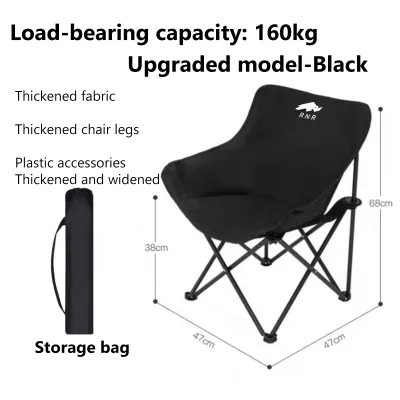
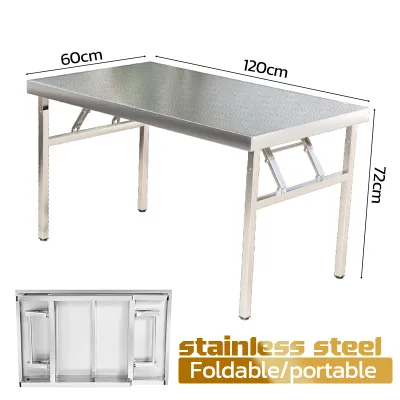
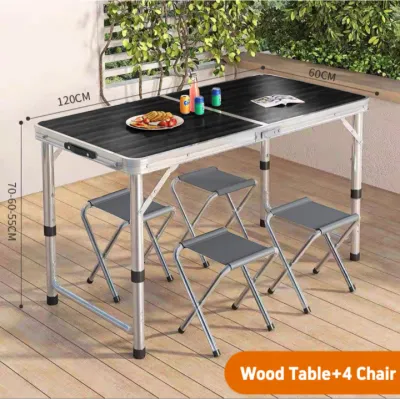
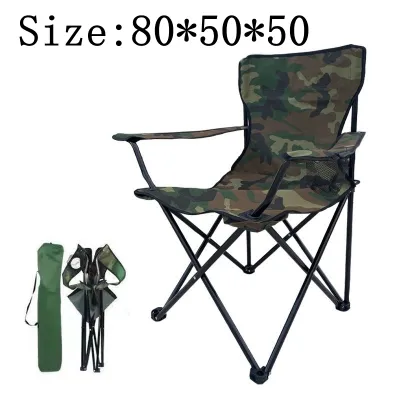
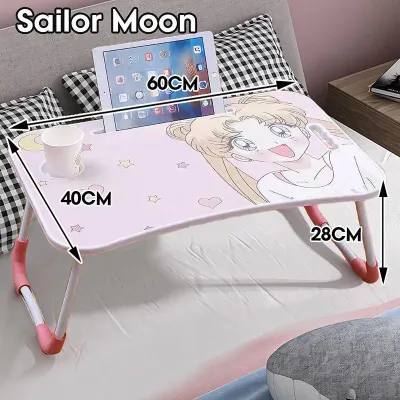
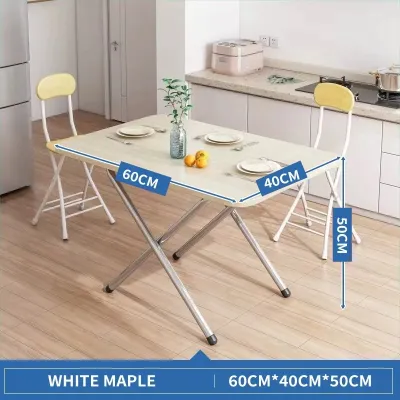
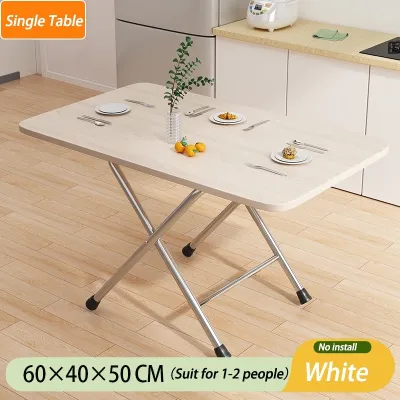
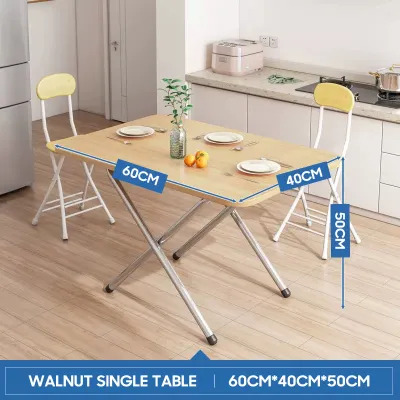
Prices are valid at publication and may change. Please refer to the product page for the latest price.
Aluminum is highly recommended for wet environments because it naturally forms a protective oxide layer when exposed to air, preventing deep structural rust. It is lightweight, making the table easy to fold and move, but you should check the manufacturer’s specifications for frame thickness to ensure stability during windy storms. Look for anodized or powder-coated aluminum frames, as these surface treatments provide an extra layer of defense against scratches that could otherwise compromise the metal.
Stainless steel is another excellent option, offering superior strength and weight capacity. However, not all stainless steel is created equal; you must verify the specific grade used in the frame. Look for labels indicating 304-grade or marine-grade stainless steel, which contain higher levels of chromium and nickel to resist corrosion in highly humid or coastal environments. Avoid unlabeled stainless steel, as lower grades may still develop surface rust when exposed to prolonged wet weather.
Coated steel is a common and budget-friendly choice, but its rust resistance depends entirely on the quality of its protective finish. Powder coating involves applying a dry powder that is cured under heat to create a hard, continuous barrier over the steel. While highly effective, this barrier is vulnerable to physical damage. If the coating chips or scratches, moisture will quickly reach the underlying steel, leading to rapid rust propagation.
When evaluating frames, watch out for critical red flags that signal poor moisture resistance. Untreated iron or low-grade carbon steel frames should be avoided entirely, as they lack inherent rust protection. Inspect the frame’s construction for hollow tubes that lack drainage holes; if water enters these tubes through joints or open ends, it will pool inside and cause the frame to rust from the inside out. Additionally, check for uneven welds, thin paint layers, or pre-existing chips near folding joints, as these are the first places rust will take hold.
To verify weather-resistance claims, look beyond vague marketing terms like “all-weather” or “rust-proof.” Instead, examine the product’s technical specifications, care labels, and manufacturer documentation. Reliable manufacturers will explicitly state the type of metal used, the specific coating process applied, and whether the product has undergone salt spray or humidity testing. While premium stainless steel or anodized aluminum tables may require a higher initial investment in ₱, they often save money over time by eliminating the need for frequent replacements.
Tabletop Materials That Resist Moisture and Warping
While the frame keeps the table standing, the tabletop must withstand direct exposure to falling rain and pooling water. Selecting a material that resists moisture absorption is crucial to prevent warping, swelling, mold growth, and structural softening during the wettest months of the year.

Synthetic materials, such as high-density polyethylene (HDPE) and heavy-duty resins, are exceptionally well-suited for rainy conditions. Because these materials are non-porous, they do not absorb water, eliminating the risk of swelling or rotting. HDPE tabletops are also highly durable and easy to clean, though you should check the product specifications for UV stabilizers. In tropical climates, intense sun exposure between rain showers can degrade unprotected plastics, causing them to become brittle and crack over time.
If you prefer the look of natural materials like wood or wood composites, you must pay close attention to how they are sealed and constructed. Untreated wood will quickly absorb moisture, leading to warping, joint separation, and mold. Look for hardwoods that naturally resist rot, or composite materials that feature robust edge banding to prevent water from penetrating the core. Ensure the manufacturer’s care instructions detail the specific sealing requirements needed to maintain the moisture barrier over time.
The physical design of the tabletop also plays a major role in water management. Look for tabletops that feature drainage gaps, slatted designs, or a very slight built-in tilt. These design elements allow rainwater to run off freely rather than pooling in the center of the table. Standing water not only increases the risk of moisture penetrating the tabletop material but also accelerates the degradation of any underlying frame joints.
Maintaining the moisture barrier on natural or composite tabletops requires adhering to manufacturer-recommended maintenance schedules. This often involves applying a fresh coat of outdoor sealant, marine-grade varnish, or specialized wood oil before the start of the rainy season. Always check the product manual to confirm which sealants are compatible with your specific tabletop material, as using the wrong chemical can strip away existing protective layers.
Hardware and Folding Mechanism Inspections
A folding table is only as reliable as its moving parts. Even if the frame and tabletop are highly rust-resistant, low-quality screws, rivets, and hinges can quickly corrode, seizing the folding mechanism and rendering the table useless or unsafe.
When inspecting a table, verify that all hardware components are explicitly labeled as stainless steel or feature a dedicated rust-proof coating that matches the frame’s protection level. Zinc-plated or galvanized steel fasteners offer moderate protection, but high-grade stainless steel screws and rivets are the gold standard for preventing rust at critical connection points. If the hardware appears dull, rough, or lacks specification details, it is likely to rust quickly when exposed to rain.
Inspect the design of the folding joints to identify potential water traps. Poorly designed hinges often feature tight crevices or flat surfaces where water can collect and remain trapped long after the rain has stopped. Prioritize tables with self-draining joints, open hinge designs, or protective shields that deflect water away from the moving parts. A well-designed mechanism allows water to flow through and dry quickly, minimizing the time moisture spends in contact with the metal.
Before purchasing or using a table after a wet spell, perform a quick inspection of the folding mechanism. Open and close the table several times to test the smoothness of the movement. Listen for grinding noises and feel for any resistance or friction, which are early indicators of internal rust or debris buildup. If the mechanism begins to seize, do not force it open, as this can bend the frame or damage the joints; instead, inspect the hinges closely for signs of corrosion.
Rainy Season Care and Storage Practices
Proper maintenance and thoughtful storage are essential to extending the lifespan of your outdoor folding table, regardless of how weather-resistant its materials are. Taking proactive steps before, during, and after the rainy season will prevent minor wear from turning into permanent structural damage.
When cleaning your table, always use gentle methods and avoid harsh abrasive cleaners, steel wool, or stiff scrub brushes. These abrasive tools can scratch powder coatings, strip away protective sealants, and create micro-grooves where water and rust can settle. Use a soft cloth, mild soap, and clean water to remove dirt and organic matter, which can trap moisture against the surface if left unattended.
Thorough drying is the most critical step before folding and storing your table. Never fold a wet or damp table for storage, as this traps moisture within the joints, hinges, and folded surfaces, creating a highly humid microenvironment that accelerates rust formation. Wipe down every part of the frame, tabletop, and hardware with a dry towel, and let the table air-dry completely in a well-ventilated area before folding it.
Store your folded table in an environment that protects it from ground moisture and condensation. Avoid placing the table directly on damp soil or concrete floors; instead, keep it elevated on a pallet or shelf. Cover the table with a breathable, waterproof furniture cover to shield it from dust and rain while allowing any trapped humidity to escape. Ensure the storage area, such as a carport, garage, or utility shed, has adequate ventilation to prevent mold and condensation buildup.
Knowing when to repair or replace your table is vital for safety. Establish clear stop conditions: if you observe deep rust penetration that flakes off and thins the metal frame, compromised structural joints that wobble under load, or completely seized hinges that resist safe lubrication, stop using the table immediately. These signs indicate that the structural integrity has been compromised, and the table should be professionally repaired or replaced to prevent sudden collapse.
Frequently Asked Questions (FAQ)
Can I leave my powder-coated steel folding table outside all year?
Continuous outdoor exposure for a powder-coated steel table depends heavily on the integrity of its coating and the severity of local weather conditions. While high-quality powder coating provides excellent protection, microscopic chips from regular use can allow moisture to reach the steel underneath, leading to hidden rust. To maximize the table’s lifespan, inspect the frame regularly for micro-chips, apply manufacturer-approved touch-up paint to exposed areas, and store the table indoors or under a protective cover during periods of prolonged, heavy rain.
How do I treat surface rust on outdoor table hinges?
To address early-stage surface rust on moving parts, start by gently cleaning the area with a soft brush and mild soapy water to remove loose debris. Check the manufacturer’s warranty and care guidelines before applying any rust-removal chemicals, as some commercial products can strip away remaining protective coatings or damage synthetic components. If the rust is superficial, applying a light, manufacturer-recommended lubricant can help restore smooth movement; however, if the rust has penetrated deeply or the hinge remains seized, replace the hardware to ensure structural safety.

Community discussion
Share your experience or ask a question. Comments are reviewed before publication.