
Selecting an outdoor kitchen table that can withstand the relentless moisture of the rainy season requires a careful look at material science and structural design. In tropical climates like the Philippines, where heavy monsoon rains and high humidity persist for months, standard indoor or semi-outdoor furniture will quickly succumb to structural failure. The ideal outdoor kitchen table must not only resist surface rust but also maintain its structural integrity under constant exposure to water, heat from cooking appliances, and potentially salty air in coastal regions. Choosing the right material involves balancing durability, maintenance requirements, and weight to ensure your outdoor dining or prep space remains functional and attractive year after year.
Understanding Moisture and Rust Risks for Outdoor Kitchen Tables
Outdoor kitchen tables face a unique set of environmental challenges that accelerate degradation. When rain falls continuously, moisture penetrates microscopic pores in paint, powder coatings, and wood grains. Surface rust is often the first visible sign of trouble on metal components, appearing as unsightly orange or brown spots where the protective barrier has failed. While surface rust is primarily an aesthetic issue initially, it can quickly progress to structural corrosion, which eats away at the core metal, weakening joints and load-bearing legs until the table becomes unsafe to use.
Non-metal materials are not immune to wet-weather damage either. Wood tables subjected to constant wetting and drying cycles are highly susceptible to warping, splitting, and rotting. High humidity levels create a perfect breeding ground for mold, mildew, and fungal growth, which can permanently stain surfaces and compromise food safety in an outdoor kitchen setting.
Products mentioned in this guide
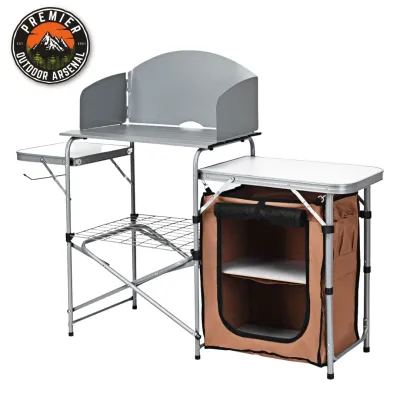
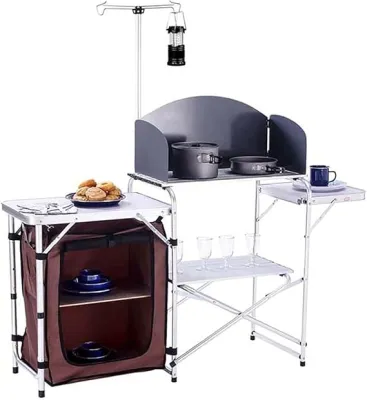
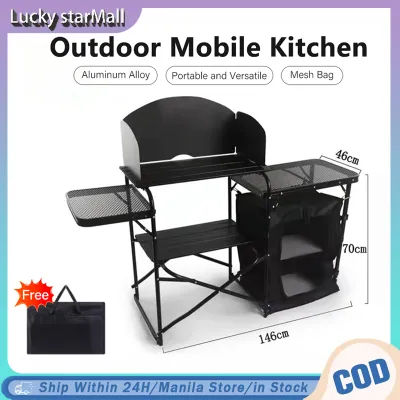
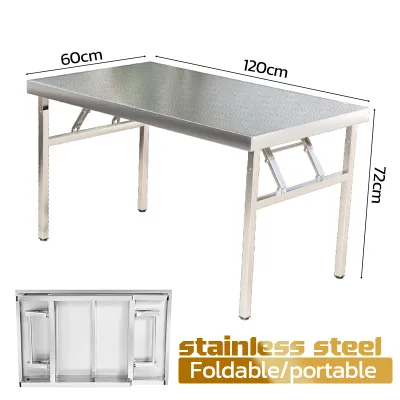
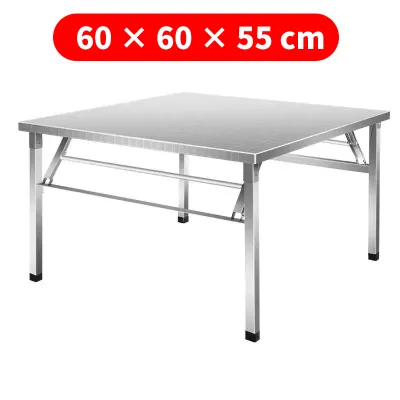
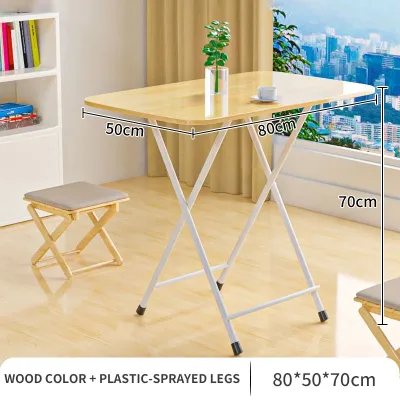
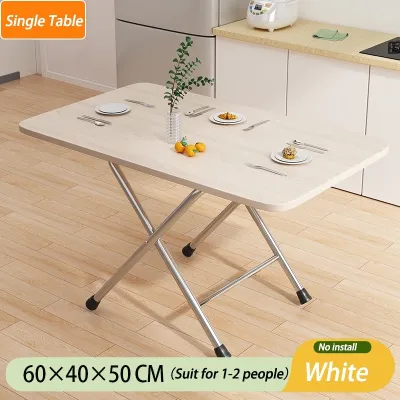
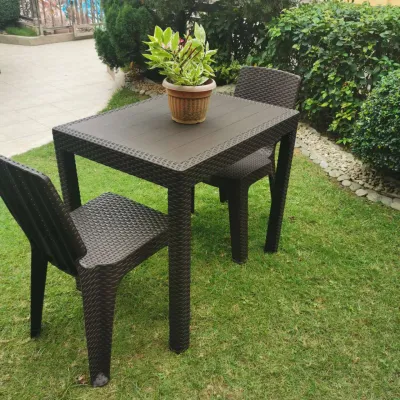
Prices are valid at publication and may change. Please refer to the product page for the latest price.
The risk is significantly higher in specific exposure scenarios. Tables placed in open areas without overhead cover receive the full force of direct rainfall, leading to water pooling on flat surfaces. If the table is located near a coastal area, the air carries microscopic salt particles that act as catalysts, dramatically accelerating the chemical process of oxidation and rust. Understanding these risks highlights why a standard table is insufficient and why you must look for materials specifically engineered or treated to withstand these harsh conditions.
Comparing Rust-Resistant Material Options for Outdoor Kitchen Tables
When shopping for an outdoor kitchen table, you will encounter a wide variety of materials, each marketed as highly durable and weather-resistant. However, generic marketing claims rarely tell the whole story, especially when subjected to the intense wet seasons of tropical climates. To make an informed decision, you must evaluate how these materials perform under prolonged moisture exposure, high ambient temperatures, and daily kitchen use. The primary choices generally fall into two categories: high-performance metals and non-metal alternatives, each offering distinct advantages and requiring different levels of upkeep.

Metal Frames and Surfaces (Aluminum and Stainless Steel)
Metal remains a popular choice for outdoor kitchen tables due to its strength, modern aesthetic, and compatibility with cooking environments. Among metals, powder-coated aluminum is highly regarded for its natural resistance to rust. Unlike iron or standard steel, aluminum does not contain iron, meaning it cannot rust in the traditional sense; instead, it forms a microscopic oxide layer that protects the underlying metal. When treated with a high-quality, baked-on powder coating, aluminum tables offer excellent defense against moisture and scratches. It is important to check product specifications to ensure the frame uses thick-gauge aluminum to maintain stability, as aluminum is lightweight and can be vulnerable to tipping in strong monsoon winds if not anchored properly.
Stainless steel is another premium option, frequently used in professional kitchens for its hygienic properties and durability. When selecting a stainless steel outdoor kitchen table, look for marine-grade (316) or high-grade (304) stainless steel, which contain higher levels of chromium and nickel to resist pitting and corrosion in wet or salty environments. Lower grades, such as 430, are more prone to developing surface rust when exposed to constant rain.
A critical factor to verify when choosing metal tables is the risk of galvanic corrosion. This occurs when two dissimilar metals, such as a stainless steel screw in an aluminum frame, come into contact in the presence of moisture. To prevent this, quality manufacturers use non-conductive washers or ensure all hardware matches the frame material. Additionally, keep in mind that metal surfaces conduct and retain heat. If your outdoor kitchen table is placed in direct sunlight or positioned close to a hot grill or pizza oven, the tabletop can become uncomfortably hot to the touch, requiring the use of trivets or shade structures.
Non-Metal Alternatives (Treated Wood, Resin, and Synthetic Wicker)
If you prefer a warmer, more natural aesthetic, non-metal materials offer excellent alternatives that inherently avoid the risk of rust. Wood is a classic choice, but only specific species can survive the rainy season without rotting. Naturally rot-resistant hardwoods, such as teak, eucalyptus, and ipe, contain dense grains and natural oils that repel water and resist insect infestation. Even with these natural defenses, wood tables require ongoing maintenance, including annual cleaning and the application of protective sealants or outdoor wood oils to prevent the timber from drying out, cracking, or turning a silvery-gray color over time. Pressure-treated lumber is a more budget-friendly wood option, but it must be rated for outdoor use and regularly sealed to prevent chemical leaching and warping.
Synthetic materials, such as high-density polyethylene (HDPE) and resin wicker, provide outstanding moisture resistance with virtually zero risk of rot or rust. HDPE is a dense, solid plastic that does not absorb water, making it completely immune to mold and warping. Resin wicker mimics the look of natural woven fibers but is made from synthetic polymers that withstand heavy rain and UV exposure.
When choosing synthetic wicker or resin tables, it is vital to inspect the hidden frame underneath. Many budget-friendly resin wicker tables are woven over cheap, painted steel frames that will rust from the inside out when moisture penetrates the weave. Always verify that the internal frame is made of powder-coated aluminum or stainless steel. Furthermore, consider the structural limitations of lighter synthetic options. While highly moisture-resistant, lightweight resin tables may lack the load capacity required for heavy kitchen prep work and can easily be displaced by strong winds during tropical storms unless securely anchored or weighted down.
Verifying Structural Details and Hardware Before Purchase
A table is only as strong as its weakest point, and in wet environments, those weak points are almost always the joints, fasteners, and internal cavities. Before purchasing an outdoor kitchen table, perform a thorough physical inspection or carefully review the manufacturer’s technical specifications. Start by checking the hardware. Screws, bolts, hinges, and brackets must be made of highly rust-resistant materials, such as stainless steel or brass. If a manufacturer uses cheap zinc-plated steel screws to assemble an otherwise rust-proof aluminum table, those screws will quickly rust, staining the frame and eventually causing the joints to fail.
Next, examine the design of the tabletop for water management. Flat, solid surfaces without any drainage mechanism allow rainwater to pool, which prolongs moisture contact and accelerates the breakdown of protective finishes. Look for tables with slatted tops, slightly sloped surfaces, or integrated drainage channels that allow water to run off freely.
For tables with tubular metal legs or frames, pay close attention to the welds and seals. Poorly welded joints can leave tiny gaps that allow rainwater to seep into the hollow interior of the tubes. Once water is trapped inside, it cannot easily evaporate, leading to rapid internal rusting that can cause the legs to collapse without warning. Ensure that all tubular ends are sealed with tight-fitting, weather-resistant rubber or plastic caps, and that the welds are smooth, continuous, and fully covered by the protective powder coating. Finally, consider the overall stability and finished dimensions of the table. Ensure the legs feature adjustable levelers to keep the table stable on uneven outdoor patios or garden tiles, preventing water from pooling unevenly on the surface.
Maintaining and Protecting Outdoor Kitchen Tables During the Rainy Season
Even the most durable, rust-resistant outdoor kitchen table requires regular maintenance to survive consecutive weeks of heavy rain. Developing a simple cleaning routine is the first line of defense. Organic debris, such as fallen leaves, dirt, and bird droppings, can trap moisture against the table’s surface and harbor mold spores. Clean the table weekly using a soft cloth or sponge, mild dish soap, and warm water. Avoid using abrasive scrubbing pads, steel wool, or harsh chemical cleaners, as these can scratch powder coatings, strip protective wood oils, and leave the underlying material vulnerable to moisture penetration.
Using a high-quality, breathable, and waterproof furniture cover is highly recommended during the peak of the rainy season. However, improper use of covers can cause more harm than good. Never place a cover over a damp or wet table. Trapping moisture underneath a waterproof cover creates a highly humid greenhouse effect that accelerates mold growth, wood rot, and even blistering of painted metal finishes. Always wait for a dry day, wipe the table completely dry, and then secure the cover tightly. Look for covers with built-in vents that allow air circulation while keeping rain out.
Lastly, know when to transition from simple DIY maintenance to professional intervention. If you notice deep scratches that expose bare metal on an aluminum or steel frame, or if a wood table begins to show signs of deep structural cracking or soft, rotting spots, simple cleaning will not suffice. In these cases, you must apply touch-up paint designed for outdoor metal, re-seal the wood, or consult a professional furniture refinisher to restore the protective barriers before moisture causes irreversible structural damage.
Frequently Asked Questions (FAQ)
Can I leave my outdoor kitchen table outside all year without a cover?
While high-quality materials like marine-grade stainless steel, powder-coated aluminum, and HDPE are designed to withstand outdoor elements, leaving them completely uncovered during prolonged rainy seasons is not recommended. Continuous exposure to heavy rain, pooling water, and high humidity will eventually wear down protective coatings and accelerate wear on joints and hardware. Using a breathable, waterproof cover when the table is not in use significantly extends its lifespan, preserves its appearance, and reduces the frequency of deep cleaning and maintenance.
How do I remove existing surface rust from a metal outdoor table?
To treat minor surface rust on steel or iron components, start by gently scrubbing the affected area with a soft-bristled brush or a paste made of baking soda and water to lift the rust without scratching the surrounding finish. Once the rust is removed, clean the area thoroughly, let it dry completely, and apply a rust-inhibiting primer followed by a matching outdoor touch-up paint to seal the metal. If the rust has penetrated deeply into the metal, causing flaking, holes, or structural instability in the legs or joints, stop immediately and consult a professional welder or furniture repair specialist, as the table may no longer be safe to support heavy kitchen equipment.

Community discussion
Share your experience or ask a question. Comments are reviewed before publication.