
Before purchasing the S030 ergonomic chair, verifying its technical specifications is essential to ensure a proper physical fit and long-term durability. Rather than relying on generic marketing terms like “ergonomic,” reviewing precise measurements and material standards helps you determine if this model matches your body type, daily habits, and workspace. Taking the time to cross-reference these dimensions prevents the discomfort and physical strain associated with an ill-fitting chair.
Quick Guide: Core Specs to Check for the S030 Chair
The S030 ergonomic chair has gained attention as a popular option in the Philippine office furniture market, typically positioned within the ₱3,000 to ₱15,000 price range. While its modern aesthetic is appealing, buyers must look beyond visual design to evaluate the structural and mechanical specifications that dictate daily comfort. Relying solely on promotional descriptions can lead to purchasing a chair that does not support your specific posture or fit your desk setup.
To make an informed decision, you should locate and verify five primary specification categories on the official product sheet or retailer listing. These include the seat height adjustability range, the exact seat pan dimensions, the type of lumbar support mechanism, the upholstery material composition, and the certified weight capacity.
Products mentioned in this guide
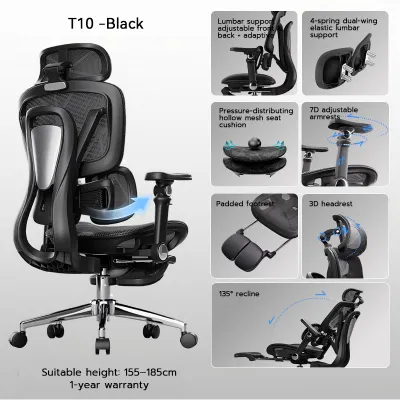
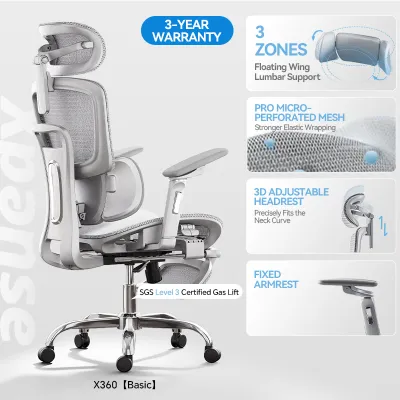
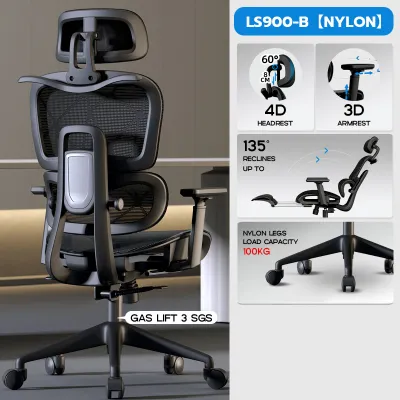
Prices are valid at publication and may change. Please refer to the product page for the latest price.
Every individual has unique physical proportions, meaning a chair that works perfectly for one person might cause discomfort for another. By comparing the manufacturer’s listed specifications with your personal physical measurements and workspace limits, you can accurately predict whether the S030 will provide the necessary support for extended sitting sessions.
Adjustability and Fit: Matching Dimensions to Your Body
An ergonomic chair is only as effective as its ability to adapt to your body. The S030 features several adjustable components, but you must check their specific ranges to ensure they can be tailored to your physical frame.

Seat Height Range
To determine if the seat height range is compatible, start by measuring your lower leg length from the sole of your foot to the underside of your knee while wearing your typical work shoes. Compare this measurement to the S030’s minimum and maximum seat height specifications. For proper ergonomic alignment, the chair’s lowest setting must allow your feet to rest completely flat on the floor with your knees bent at a 90-degree angle, which prevents excessive pressure on the back of your thighs.
Armrest Adjustability
Review the product specifications to identify whether the S030 features 1D, 2D, 3D, or 4D armrests. These classifications define the movement capabilities, ranging from simple height adjustments (1D) to advanced depth, angle, and width configurations (4D). Your armrests should adjust to a position where they support your elbows naturally at a 90-degree angle without forcing you to shrug your shoulders. Additionally, verify the width measurement between the armrests to ensure it accommodates your shoulder span comfortably.
Recline Angle and Tension
Check the maximum recline angle and the mechanism used to control backrest tension. A deeper recline angle is beneficial for periodic relaxation, reading, or taking breaks during a long workday in your home office. For active computer work and typing, you will need a chair that can lock securely in an upright or slightly reclined position. Adjustable tilt tension is equally important, as it allows you to customize the resistance of the backrest to match your body weight, preventing a sudden backward drop or excessive resistance.
Lumbar Support and Seat Profile: Ensuring Spinal Alignment
Maintaining the natural curve of your spine is critical for preventing lower back pain and fatigue during long hours of desk work. The S030’s backrest and seat pan specifications reveal how well the chair supports your musculoskeletal system.
Lumbar Mechanism
Check whether the S030 utilizes a fixed, height-adjustable, or dynamic spring-loaded lumbar support system. An adjustable lumbar mechanism is highly recommended because it allows you to align the support pad directly with the inward curve of your lower back. If you are taller or shorter than average, a fixed lumbar support may press against the wrong area of your spine, which can exacerbate back strain rather than relieving it.
Seat Depth and Width
Examine the exact dimensions of the seat pan, paying close attention to its depth and width. A well-designed seat pan often features a “waterfall” front edge, which slopes gently downward to minimize pressure on the blood vessels behind your knees. To ensure the seat depth is appropriate for your leg length, verify that sitting fully back against the backrest still leaves a two-to-three-finger gap between the front of the seat and the back of your knees to maintain healthy circulation.
Backrest Height
Verify the total height of the backrest from the seat pan to the top of the frame. This specification must be matched against your torso length to guarantee that the upper backrest supports your thoracic spine and shoulders properly. If the S030 model includes a headrest, check whether its height and tilt are adjustable, as an improperly positioned headrest can push your neck forward into an uncomfortable, strained posture.
Materials, Weight Limits, and Safety Certifications
The materials used in the S030 directly affect its breathability, structural integrity, and overall lifespan, making these specifications vital for long-term satisfaction.
Upholstery Materials
Determine whether the S030 features mesh, high-density molded foam, or PU leather upholstery. In the tropical climate of the Philippines, where high humidity and warm temperatures are common, a full-mesh backrest and seat provide excellent ventilation by allowing body heat to dissipate. If the chair uses high-density foam, it will offer firmer, more contoured support, but you should ensure the outer fabric is breathable. Always consult the manufacturer’s care instructions for cleaning guidelines to preserve the material’s structural integrity over time.
Weight Capacity
Locate the manufacturer’s stated maximum weight capacity for the S030. To ensure safety and prevent premature wear, your body weight should ideally remain 10% to 20% below this maximum limit. Operating a chair close to its weight threshold puts continuous stress on the mechanical joints, gas lift cylinder, and caster wheels, which can significantly shorten the product’s operational lifespan.
Gas Lift and Base Certifications
Verify that the gas lift cylinder carries reputable safety certifications, such as SGS, TÜV, or BIFMA, and check if it is rated as Class 3 or Class 4. The base material—typically reinforced nylon or die-cast aluminum alloy—should also be specified. Certified gas lifts are essential for user safety, as they guarantee the pressurized cylinder has passed rigorous stress and durability tests. Avoid purchasing any chair model that lacks clear, verifiable gas cylinder specifications.
Space Clearance and Assembly Requirements
Before finalizing your purchase, you must confirm that the S030 will physically fit within your designated workspace and can be assembled safely.
Footprint and Clearance
Check the overall physical footprint of the chair, including the maximum diameter of its five-star caster base and its depth when fully reclined. Measure your available floor space and the clearance height under your desk, taking into account any low-hanging keyboard trays or drawer units. This step ensures you can roll the chair inward and outward smoothly without striking walls, cabinets, or desk legs, protecting both your walls and the chair’s armrests from scratches.
Assembly Conditions
Review the shipping weight of the package and check whether the necessary assembly tools and hardware are provided. Ergonomic chairs with heavy steel or aluminum components can be heavy and awkward to assemble alone, often requiring two people for safe lifting and alignment. Always follow the manufacturer’s step-by-step assembly manual or official video guides carefully. If you encounter missing parts or unclear instructions during setup, pause the assembly and contact the manufacturer or a professional assembly service to avoid damaging the components or voiding your warranty.

Community discussion
Share your experience or ask a question. Comments are reviewed before publication.