
Finding the right closet organizer in the Philippines involves balancing storage capacity with the physical limits of your room. While the Salvo rack has gained attention for its open-frame design, declaring it or any other system a universal winner is impractical. The ideal choice depends entirely on verifying your specific spatial constraints, structural requirements, and budget. When comparing the Salvo rack to alternative closet organizers, you must carefully evaluate manufacturer specifications for exact dimensions, load limits, and material finishes. By focusing on space utilization, structural durability, and overall cost-effectiveness, you can select a system that keeps your wardrobe organized and accessible.
Assessing Your Wardrobe and Space Constraints
Before purchasing any organizer, catalog your wardrobe. Do you have long hanging garments like Filipiniana dresses, maxi skirts, or long trousers? Or does your wardrobe consist mostly of folded t-shirts, jeans, and light activewear? Heavy outerwear, though less common in tropical climates, might still include jackets for travel or air-conditioned offices. Small accessories like belts, bags, and underwear also require dedicated storage strategies.
Next, measure your physical space. Use a reliable measuring tape to record the exact height, width, and depth of your designated closet area. Do not forget to account for door clearance; swinging doors require unobstructed floor space, whereas sliding doors or open-concept layouts offer more flexibility. If you are placing the rack inside an existing wardrobe shell, measure the internal clearance precisely to avoid buying a unit that is even a few millimeters too wide.
Products mentioned in this guide
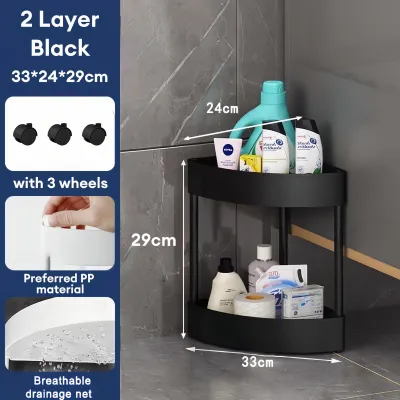
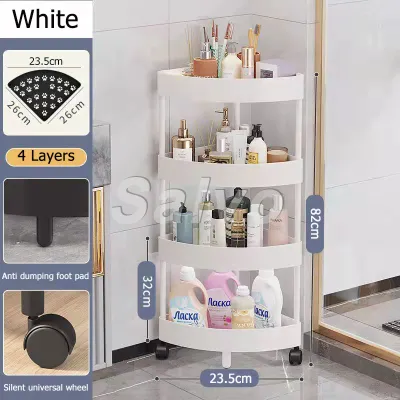
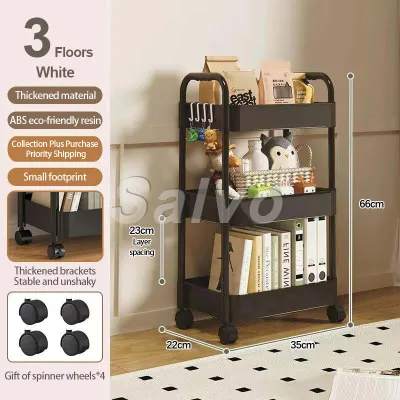
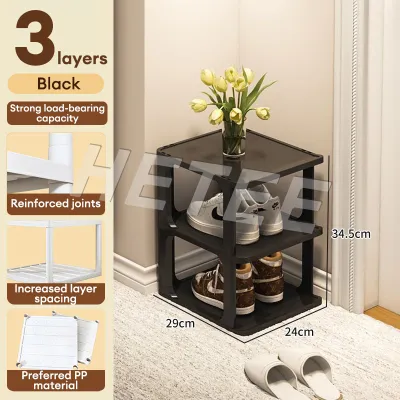
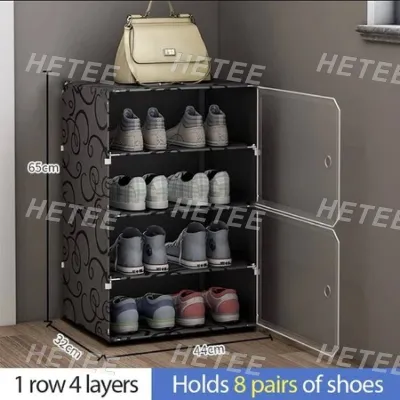
Prices are valid at publication and may change. Please refer to the product page for the latest price.
Your living situation also dictates the type of system you can install. Renters often face strict rules against drilling into walls, making freestanding racks or tension-rod systems highly attractive. Homeowners, on the other hand, might prefer wall-mounted or semi-permanent modular internal organizers that maximize vertical space. Understanding these physical and structural boundaries prevents costly return shipping fees and installation headaches.
Comparing Storage Features and Space Efficiency
The functional design of your closet organizer directly impacts your daily routine. When evaluating the Salvo rack against alternative systems, look closely at the adjustability of the shelving. Adjustable shelves allow you to adapt the unit as your wardrobe changes, such as shifting from high-clearance boot storage to tight shelving for folded knitwear.

Hanging rod configurations are equally critical. Some systems offer double-hanging rods to stack shorter items like shirts and folded trousers, effectively doubling your hanging capacity. Other systems prioritize single, high rods for full-length garments. Check if the alternative systems you are considering offer integrated accessory drawers or pull-out bins, which help conceal clutter and protect delicate items from dust.
Modularity is a key differentiator. A truly modular system allows you to add extra shelves, rods, or drawers over time. If you plan to expand your storage in the future, verify whether the brand sells individual components separately. Additionally, consider how well each system utilizes vertical space. In many Philippine homes, high ceilings offer valuable storage potential that goes unused; choosing a tall rack or a stackable system helps you reclaim this overhead space for seasonal items or bedding.
Verifying Build Quality and Weight Limits
In the humid tropical climate of the Philippines, material selection and build quality are paramount. High humidity can accelerate rust on poorly treated metal or cause low-grade particle board to sag and mold. Rather than assuming a material is durable based on its name alone, inspect the manufacturer’s product descriptions for specific surface treatments, such as powder coating or rust-resistant finishes.
Always check the manufacturer-stated weight capacities for individual shelves and hanging rods before loading your clothes. Heavy denim, bags, and bedding can quickly exceed the limits of lightweight organizers. Look for structural reinforcements, such as support brackets, double-wire shelving, or thick-gauge steel frames, which indicate a higher load tolerance.
Examine the joint connections and hardware quality. Threaded metal connections generally offer greater stability and longevity than plastic slip-sleeve connectors, which can degrade or crack over time under heavy loads. If you are assembling the unit yourself, review the user manual online beforehand to assess the complexity of the joints and the tools required.
Stability features must not be overlooked, especially in households with active children or pets. Freestanding racks can become top-heavy when loaded with hanging clothes. Check if the organizer includes wall-anchoring hardware or anti-tip mechanisms. If you cannot anchor the unit to the wall due to rental restrictions, prioritize designs with a wider base or adjustable leveling feet to compensate for uneven tile or concrete floors.
Evaluating Pricing and Long-Term Value
When comparing costs, look beyond the initial price tag. Base prices for closet organizers in the Philippines can vary widely, starting from under ₱1,500 for basic wire racks to well over ₱10,000 for comprehensive modular systems. Always verify exactly what is included in the package. Some lower-priced options may require you to purchase hanging rods, extra shelves, or assembly hardware separately, quickly driving up the total cost.
Factor in shipping and delivery fees. Large, heavy metal frames or wooden panels can incur substantial shipping surcharges, especially if you live outside major metropolitan areas like Metro Manila, Metro Cebu, or Metro Davao. Additionally, consider whether you will need to pay for professional assembly or if you have the tools and time to complete the installation yourself.
Don’t forget the cost of supplementary storage. Open-frame racks like the Salvo rack often look best when paired with fabric bins, plastic drawers, or woven baskets to hold smaller items. If you need to purchase these separately from online marketplaces, add that to your budget. Finally, check the manufacturer’s warranty terms and the availability of replacement parts. A slightly more expensive system that offers replacement joints or extra rods can provide better long-term value than a cheap, non-standard unit that must be entirely replaced if a single connector breaks.
Decision Framework: Which System Fits Your Needs?
To simplify your decision, use a structured framework based on your specific living conditions and storage habits.
Choose the Salvo rack if you prefer an open-concept wardrobe, require a freestanding unit that does not damage rental walls, and value a minimalist metal aesthetic. It is highly suitable for those who have a consistent wardrobe of hanging clothes and want quick, visible access to their daily outfits.
Choose alternative modular systems if you require integrated drawers, closed cabinetry, or highly customized configurations that can be built into an existing closet niche. These alternatives are ideal if you need to store a large volume of folded items, require dust protection, or want to conceal your clothing behind doors.
Verify first if your floors are uneven, as you will need a system with adjustable leveling feet. If you plan to store exceptionally heavy items, verify the exact load limits of each shelf. Renters must always verify wall-anchoring requirements; if a system requires drilling to remain stable, ensure you have landlord permission or opt for a self-supporting freestanding model.
Before confirming any order on an ecommerce platform, double-check your final assembled dimensions against your actual room space. Ensure there is enough clearance for you to walk around the unit and comfortably access your clothes.
Frequently Asked Questions (FAQ)
Can I combine a freestanding rack with built-in closet shelves?
Yes, but you must carefully plan the layout. Ensure there is adequate clearance so that any built-in cabinet doors or drawers can open fully without striking the freestanding rack. Maintain a safe distance between the units to allow for easy cleaning and to prevent dust buildup. Additionally, distribute the weight evenly; do not overload one side of the room or crowd the walkway, as this can compromise both safety and accessibility.
How do I prevent clothing from slipping off metal hanging rods?
To improve the functionality of metal hanging rods without modifying the hardware, switch to non-slip hangers. Velvet-flocked, rubber-coated, or wooden hangers provide excellent grip for slippery fabrics like silk, polyester, and satin. Alternatively, you can apply removable silicone grip strips directly to the top of the metal rods. Always check the rod’s stated weight limit before hanging heavy garments, as overloading can cause the rod to bow or slip from its brackets.

Community discussion
Share your experience or ask a question. Comments are reviewed before publication.