
Selecting a 4ft folding table that can withstand the intense humidity and heavy downpours of the rainy season requires looking beyond generic material labels. While high-density polyethylene (HDPE) resin and aluminum are naturally highly resistant to moisture, the true durability of any outdoor table depends on the specific protective coatings, joint designs, and hardware treatments applied by the manufacturer.
To ensure your table survives prolonged exposure without warping, molding, or rusting, you must evaluate both the tabletop surface and the underlying metal frame for specialized weather-resistant finishes.
A standard 4ft folding table is highly versatile for outdoor gatherings, temporary workspaces, or garden setups, but the tropical climate presents unique challenges. High humidity levels accelerate the oxidation of exposed metals, while frequent rain can pool on flat surfaces, seeping into unsealed joints.
Products mentioned in this guide
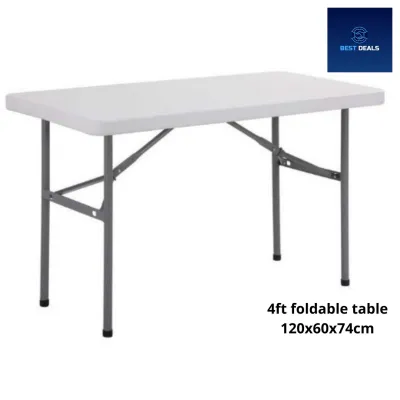
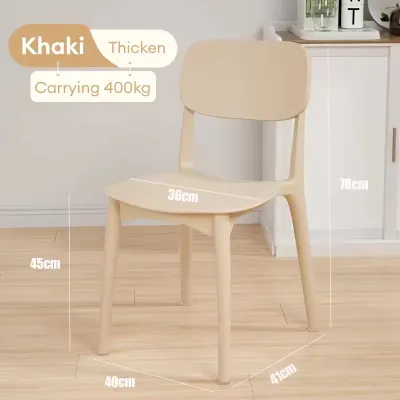
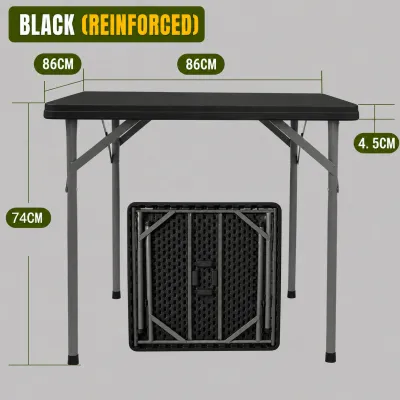
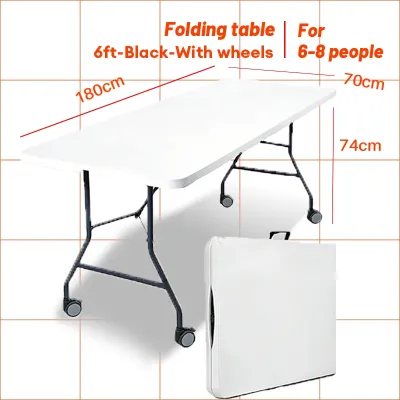
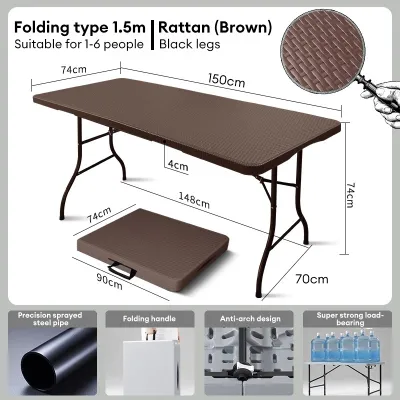
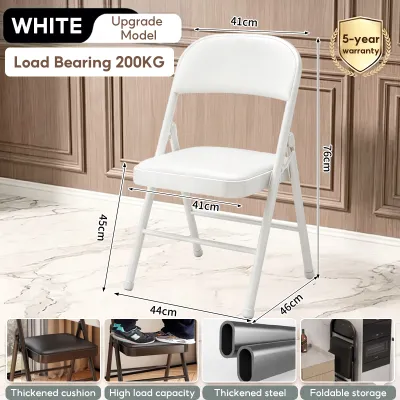
Prices are valid at publication and may change. Please refer to the product page for the latest price.
By focusing on verifiable material specifications and structural design details, you can select a utility table that remains stable and functional year after year.
Identifying Moisture and Rust Risks in Folding Tables
To choose a resilient 4ft folding table, you must first understand how moisture attacks different parts of the furniture. A table is a system of interconnected components, and failure usually begins at the weakest link rather than the main surface. While a plastic tabletop might remain completely unaffected by water, the steel frame underneath can quietly corrode, eventually compromising the entire structure.
Tabletop degradation and structural frame corrosion are two distinct processes. Tabletop issues often manifest as warping, swelling, or mold growth, particularly in composite or wood-based materials. Frame corrosion, on the other hand, targets the metal support structure, leading to flaking paint, orange rust stains, and structural weakening that can cause the table to collapse under load.
The most vulnerable points on any folding table are the moving parts and connection joints. Hinges, rivets, locking mechanisms, and the interior of hollow metal legs are prime locations for water collection. Because these areas experience friction during folding and unfolding, protective paint or coatings can easily scrape off, exposing bare metal to the damp air.
Trapped moisture is the primary catalyst for rapid rust development. When a table is folded wet or stored in a high-humidity environment, water droplets remain trapped in tight crevices. Without adequate airflow, this moisture reacts with oxygen and untreated iron or steel, initiating a chemical reaction that degrades the metal’s integrity far faster than open-air exposure would.
Evaluating Tabletop Materials for Water Resistance
When assessing the tabletop of a 4ft folding table, look closely at the material specifications and surface treatments rather than accepting generic descriptions. Resin and high-density polyethylene (HDPE) are popular choices for wet environments because the plastic itself cannot absorb water. However, you should verify if the manufacturer has treated the surface with UV-inhibitors and weather-resistant stabilizers to prevent the material from becoming brittle or cracking under intense tropical sun and rain cycles.

If you prefer the look of wood, wood-plastic composites, or engineered wood, meticulous inspection of the edges is critical. Unsealed wood fibers act like sponges, drawing in moisture from the humid air or direct rainfall. Look for tables that feature complete factory sealing, heavy-duty edge banding, or seamless molded edges that leave no gaps for water ingress. Any break in the protective laminate or sealant will inevitably lead to swelling, bubbling, and eventual rot.
Whether you are investing in a basic utility model under ₱2,000 or a premium heavy-duty option, verifying the exact material specifications is the most reliable way to ensure long-term performance.
The texture of the tabletop also plays a significant role in moisture management. A completely smooth, high-gloss surface might seem ideal, but it can allow water to pool in large sheets, increasing the drying time. Conversely, deeply textured faux-wood or heavily embossed patterns can trap water, dirt, and organic matter in their crevices, creating a breeding ground for mold and mildew in warm, humid conditions.
Opt for a light, micro-textured surface that allows water to bead and run off easily while still providing enough traction to prevent items from sliding. When shopping, check the product specifications for terms like “blow-molded HDPE” or “sealed weather-resistant composite” to confirm the material is engineered for outdoor exposure. Avoid untreated particleboard or low-grade fiberboard tables, as these materials are highly susceptible to moisture damage and rarely survive a single rainy season.
Assessing Frame and Hardware Rust Protection
The longevity of your 4ft folding table during the rainy season depends heavily on the quality of its metal frame and hardware. Standard steel frames will rust rapidly if they are only protected by a basic layer of decorative paint. Instead, look for frames that specify advanced anti-corrosion treatments such as powder coating, galvanization, or e-coating (electrophoretic deposition).
Powder coating involves applying a dry powder electrostatically and curing it under heat to create a thick, durable barrier that resists chipping, scratching, and moisture. Galvanized steel features a protective zinc coating that physically blocks moisture from reaching the steel underneath. E-coating provides an exceptionally uniform protective layer, even inside hollow tubes and complex joints, making it highly effective for folding mechanisms.
Aluminum and stainless steel are inherently more rust-resistant alternatives to standard carbon steel. Aluminum frames are lightweight and form a natural oxide layer that prevents deep corrosion, though they should still be checked for anodized or powder-coated finishes to prevent surface pitting. If the table uses stainless steel, verify the grade if possible; marine-grade or high-quality outdoor-rated stainless steel offers superior resistance to humid, salty air compared to lower-grade utility metals.
Do not overlook the small hardware components that hold the table together. Hinge pins, rivets, spring-loaded locks, and bracket screws are often made from cheaper, untreated metals even if the main frame is powder-coated. Inspect these moving parts for visible protective plating or zinc coatings. If these small components rust and seize, the table will become difficult or impossible to fold, rendering its portable design useless.
Structural and Design Checks for Wet Environments
Beyond material composition, the physical design of a 4ft folding table determines how well it handles wet conditions. A well-designed outdoor table should actively prevent water accumulation. Look for subtle design features such as a very slight crown or slope in the tabletop center, or integrated drainage channels that encourage rainwater to run off the sides rather than pooling in the middle.
When selecting a 4ft folding table, always verify the finished dimensions against your available space, especially if you plan to use it on a small balcony or a covered patio during a downpour. Ensure the doorway or lift access is wide enough to transport the table easily when folded. Additionally, check the manufacturer’s specified load capacity and stability ratings rather than guessing, as wet or uneven ground can severely compromise a table’s balance if the legs are not properly anchored or designed with a wide, stable stance.
The design of the table’s feet is another critical factor for stability and safety on wet surfaces. Ensure the table is equipped with non-slip, water-resistant foot caps made from durable rubber or high-density thermoplastic. These caps prevent the metal legs from making direct contact with wet ground, patios, or tiled floors, which helps prevent rust from creeping up the bottom of the legs while ensuring the table does not slide on slick surfaces.
When evaluating the folding mechanism, examine the undercarriage for potential moisture traps. Some tables feature complex bracing systems with deep channels, hollow pockets, or overlapping metal plates that easily collect water when the table is upright. When the table is collapsed, this trapped water can remain sealed inside the structure for days, accelerating rust from the inside out. Choose designs with open, clean folding structures that allow water to drain freely and air to circulate.
Rainy Season Care, Cleaning, and Storage
Proper maintenance is essential to extend the lifespan of your 4ft folding table, even if it is constructed from highly weather-resistant materials. Regular cleaning removes dirt, pollen, and organic debris that can trap moisture against the surface and encourage mold growth. Use a mild soap solution and a soft brush or cloth to clean the tabletop and frame; avoid harsh abrasive cleaners, steel wool, or strong chemical solvents that can strip away protective wax, paint, or powder coatings.
Thorough drying is the most critical step in preventing rust on folding hardware. After a heavy rain or cleaning session, wipe down the table with a dry cloth, paying close attention to the hinges, joints, and locking brackets. Never fold and store a damp table. Allow the table to air-dry completely in an open, well-ventilated area before collapsing it for storage, ensuring no moisture remains trapped in the joints.
When the table is not in use during prolonged wet spells, store it in a covered, dry location such as a garage, shed, or indoor storage closet. If you must store the table outdoors, elevate the feet off the damp ground and cover it with a breathable, waterproof furniture cover. Avoid wrapping the table tightly in non-breathable plastic tarps, as this can trap rising ground moisture and condensation underneath, creating a highly humid greenhouse effect that accelerates rust.
Frequently Asked Questions (FAQ)
Can I leave a powder-coated folding table outside during heavy rain?
While powder coating provides excellent resistance to moisture and rust, it is not completely waterproof under prolonged, continuous exposure. Heavy rain can eventually find microscopic imperfections or chips in the coating, leading to rust underneath the surface. For the best longevity, check the manufacturer’s weather-rating labels, and use a waterproof cover or move the table to a sheltered area during severe storms.
How do I treat surface rust on table hinges?
If you notice minor surface rust on the hinges or joints, address it promptly to prevent structural damage. Gently clean the affected area using a soft wire brush or a mild abrasive pad to remove the loose rust flakes without scratching the surrounding finish. Once clean and dry, apply a thin layer of manufacturer-approved lubricant, silicone spray, or a dedicated rust inhibitor to protect the moving parts. If the rust has deeply pitted the metal or compromised the structural integrity of the hinge, stop using the table and consult a professional repair service or replace the hardware.

Community discussion
Share your experience or ask a question. Comments are reviewed before publication.