
Selecting a minimalist dining table that accommodates six to ten people requires balancing clean, uncluttered design with the physical demands of hosting large gatherings. In Filipino households, where dining rooms serve as central hubs for extended family meals and weekend gatherings, a table must offer both visual lightness and robust structural integrity. Achieving this balance involves analyzing spatial dimensions, structural configurations, and material tolerances to ensure the furniture remains functional and beautiful over years of daily use.
By focusing on clean lines, smart base designs, and durable finishes, you can find a table that fits your space without overwhelming it. This guide provides a structured framework for evaluating dimensions, configurations, and materials, helping you build a shortlist of tables that meet both your design preferences and the practical demands of hosting.
Balancing Minimalist Aesthetics with Large Family Needs
Minimalist design relies on reducing visual clutter, which becomes challenging when dealing with the substantial physical footprint of a table built for ten people. To keep a large table from dominating a room, pay close attention to its visual weight. Slim edge profiles, such as chamfered or beveled edges, make a thick tabletop appear much thinner and lighter from a standing perspective. The choice of materials also plays a role; lighter wood tones, slim metal frames, or thin sintered stone tops maintain an airy feel that preserves the sense of open space in your dining area.
Products mentioned in this guide
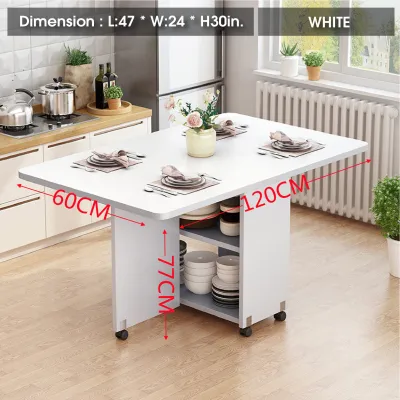
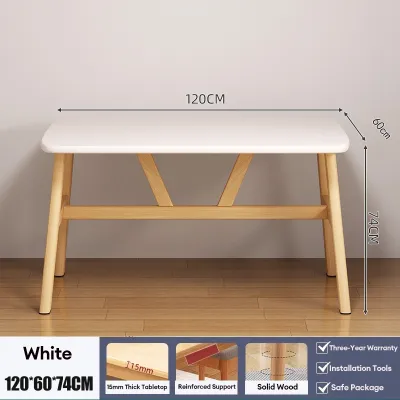
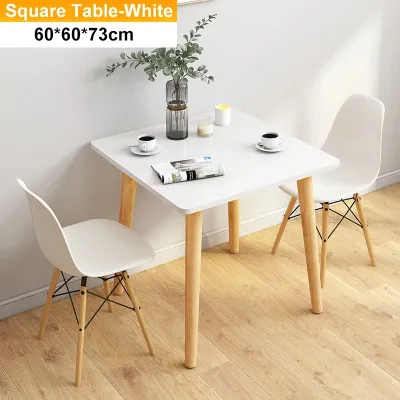
Prices are valid at publication and may change. Please refer to the product page for the latest price.
Leg design and placement are critical for both aesthetics and seating efficiency. Traditional four-legged tables place the legs at the outermost corners, which maximizes the space between them but can restrict seating at the very ends of the table. In contrast, trestle bases, pedestal designs, or recessed legs draw the eye inward, creating an illusion of more floor space. These centralized base designs allow you to slide chairs in and out more freely, preventing guests from constantly bumping their knees against the table legs during long meals.
Maintaining clean lines over a long span requires careful engineering to prevent the table from sagging over time. Standard minimalist tables often eliminate thick aprons—the wooden support frame directly under the tabletop—to maximize legroom and keep the profile sleek. However, a table stretching over two meters needs alternative support. Look for designs that incorporate hidden steel reinforcement channels routed into the underside of the tabletop, or those built on high-tensile metal sub-frames that provide the necessary rigidity without adding visual bulk.
Sizing and Shape: Accommodating 6 to 10 Seats
To ensure a comfortable dining experience, you must calculate the required surface area based on standard personal space allowances. Each seated diner requires a minimum of 60 centimeters of width and 40 centimeters of depth to eat comfortably without bumping elbows. For a table seating six people, this translates to a minimum length of 180 centimeters. To accommodate eight people, look for a length of 210 to 240 centimeters, while a table for ten people requires a length of at least 270 to 300 centimeters.

In addition to individual seating space, consider the center of the table for shared items. Traditional family-style dining in the Philippines often involves placing multiple large serving platters, rice cookers, and beverage pitchers directly on the table. To accommodate these shared dishes alongside individual place settings, the table width should be at least 90 to 100 centimeters. Anything narrower will leave diners feeling cramped and force you to use sideboards or serving carts for extra dishes.
Table shape significantly influences both room traffic and conversation dynamics. Rectangular tables are highly efficient for long, narrow dining rooms, aligning naturally with the walls and providing a structured seating arrangement. Oval tables offer similar seating capacities but feature rounded corners that soften the room’s lines and improve traffic flow in tight spaces. Round tables are excellent for fostering conversation because everyone faces each other, but a round table seating ten people requires a massive diameter of at least 180 centimeters, which can make reaching for food difficult and requires a very large, square room.
Clearance zones around the table are just as important as the table’s physical dimensions. To allow diners to pull out their chairs and sit down comfortably, maintain a minimum clearance of 90 centimeters between the edge of the table and the nearest wall or piece of furniture. If the space behind the chairs serves as a primary walkway through the room, increase this clearance to 120 centimeters. This ensures that family members can walk past carrying dishes without disrupting those who are already seated.
Fixed vs. Extendable Designs: Evaluating Configurations
Deciding between a fixed-size table and an extendable model depends on how often you host large groups compared to your daily household needs. A fixed table offers unmatched structural simplicity and completely clean, uninterrupted lines, making it the truest representation of minimalist design. However, if you only host ten people during holidays or weekend family gatherings, a permanently large table can unnecessarily crowd your dining room on a daily basis, leaving little room for daily movement.
Extendable tables provide a flexible compromise, allowing you to maintain a compact footprint for daily use and expand the surface when guests arrive. When evaluating extendable models, pay close attention to the extension mechanism. Butterfly leaves fold and store neatly inside the table frame, making them highly convenient but adding weight to the internal structure. Removable leaves must be stored separately in a closet or under a bed, which keeps the table frame lighter but requires dedicated storage space in your home.
Structural integrity is a common concern with extendable furniture, as the joints and moving parts are natural weak points. When inspecting an extendable table, fully extend it to its maximum length and apply gentle downward pressure on the outer edges. Check for any noticeable sag, wobble, or misalignment where the leaves meet. High-quality extendable tables utilize heavy-duty steel glides and secure locking latches that hold the sections tightly together, preventing crumbs and liquids from falling into the internal tracks.
Consider the physical effort required to operate the extension mechanism. Some modern minimalist tables feature smooth, ball-bearing slide systems that allow a single person to extend the table effortlessly from one end. Other designs require two people to pull from opposite sides simultaneously. If you choose a model with removable leaves, verify the weight of each leaf to ensure you can lift, install, and store them safely without risking damage to the alignment pins or your floors.
Material and Finish Checks for Everyday Durability
Evaluating materials based on manufacturer specifications is essential for finding a table that can withstand daily family use. Solid wood is a classic choice, offering natural warmth and unique grain patterns, but it requires careful maintenance. Engineered wood, such as high-density fiberboard with a natural wood veneer, provides a highly stable surface that resists warping and cracking while maintaining a clean, minimalist aesthetic. Sintered stone and porcelain tops are increasingly popular for minimalist designs, offering ultra-slim profiles that are highly resistant to scratches, heat, and moisture.
The tropical climate of the Philippines, characterized by high humidity and seasonal temperature shifts, can cause natural wood to expand and contract. This movement can lead to warping or splitting at the joints if the wood is not properly seasoned. When purchasing a solid wood table, verify that the manufacturer uses kiln-dried timber, which has had its moisture content controlled to minimize movement. Additionally, look for construction techniques that allow the wood to breathe, such as slotted screw holes or floating tabletop mountings.
A table’s resistance to daily wear depends heavily on its surface treatment. For wood tables, polyurethane or acid-catalyzed lacquer finishes provide a durable, non-porous barrier that protects against moisture rings from cold glasses and heat from warm serving dishes. Oil or wax finishes offer a beautiful, matte look that highlights the natural wood texture, but they require regular reapplication and offer less protection against liquid spills. Always check the product specifications to confirm the finish type and ensure it aligns with your household’s maintenance preferences.
Metal bases, often made of powder-coated steel or aluminum, provide exceptional structural strength with minimal thickness, making them ideal for minimalist designs. When evaluating metal components, check the quality of the welds and the finish. A high-quality powder coating protects the metal from rust and corrosion, which is particularly important in humid coastal areas. Ensure that any metal legs are fitted with durable floor glides to prevent them from scratching your tiles or wooden floors.
Pre-Purchase Measurement and Delivery Verification
Before finalizing your purchase, you must ensure that a large dining table can physically navigate the journey into your home. Measure every doorway, hallway corner, stairwell, and elevator cabin along the delivery route. Pay close attention to low ceilings or tight turns in stairwells where a long tabletop might get stuck. If you live in a high-rise condominium, check the elevator’s interior height and diagonal clearance, as many large tables are delivered with the tabletop as a single, non-bendable piece.
Verify the weight of the table and ensure your flooring can support it without damage. Heavy solid wood or sintered stone tables can place significant concentrated weight on their legs, which can dent softer wood floors or crack delicate tiles. To prevent this, look for tables equipped with adjustable leveling feet. These feet not only distribute the weight more evenly but also allow you to level the table on slightly uneven floors, preventing annoying wobbles during meals.
Confirm the assembly requirements before the delivery team arrives. Because of the weight and precision required to align long spans and extension mechanisms, professional installation is highly recommended for large dining tables. If you plan to assemble the table yourself, verify what tools are required and ensure you have at least two or three people available to lift and flip the table safely. Attempting to lift a heavy table alone can damage the leg joints and cause personal injury.
Frequently Asked Questions (FAQ)
How do I choose chairs that match a minimalist large dining table?
To maintain a cohesive minimalist aesthetic, select chairs with clean lines and low profiles that do not overwhelm the room. The height of the chair backs should be proportional to the table; very high backs can create visual clutter, while low backs preserve sightlines across the room. Ensure the chair width allows you to tuck the required number of seats fully under the table apron when not in use. If space is tight, consider using a minimalist dining bench on one side, which can be slid completely under the table to open up walkways.
What is the best way to protect a minimalist wood table during large gatherings?
Protecting a wood table during busy family meals does not require hiding it under a thick, plastic tablecloth. Instead, use low-profile protection like heat-resistant trivets, felt-backed coasters, and fabric table runners that run down the center of the table, leaving the beautiful wood grain visible at the seating areas. Keep a soft microfiber cloth nearby to wipe up spills immediately, especially acidic liquids like vinegar or citrus juices, which can etch into wood finishes. Always follow the manufacturer’s guidelines regarding approved cleaning agents, avoiding harsh chemical sprays that can strip the protective topcoat over time.

Community discussion
Share your experience or ask a question. Comments are reviewed before publication.