
Finding the ideal Nordic bookshelf for a home office in the Philippines requires balancing the clean, minimalist Scandinavian aesthetic with practical storage capacity, spatial constraints, and resistance to local tropical humidity. The right choice is a unit that offers a mix of open shelving for visual lightness and closed compartments to hide office clutter, constructed with moisture-resistant finishes and verified load capacities. By focusing on structural integrity, precise measurements, and material quality, you can select a piece of furniture that enhances both your productivity and your workspace design.
Defining Your Home Office Storage Needs
Before browsing online catalogs or visiting local showrooms, you must establish the foundational requirements for blending Scandinavian minimalism with daily workspace functionality. A common mistake is choosing a bookshelf solely for its appearance, only to find it cannot accommodate your actual work materials. Begin by taking a complete inventory of the items you need to store, categorizing them into active reference materials, archived documents, office equipment, and decorative elements.
Assess the volume of books, documents, and equipment requiring storage. Heavy items like binders, printer paper reams, and reference manuals require deep, sturdy shelves, while lighter items like decorative plants, framed photos, or small tech accessories can sit on shallower, open ledges. Understanding this mix helps you determine the ratio of open shelving to closed cabinetry you will need.
Products mentioned in this guide
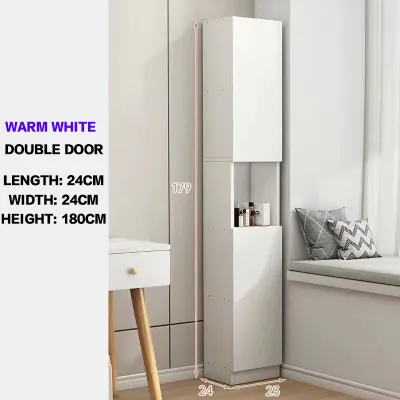

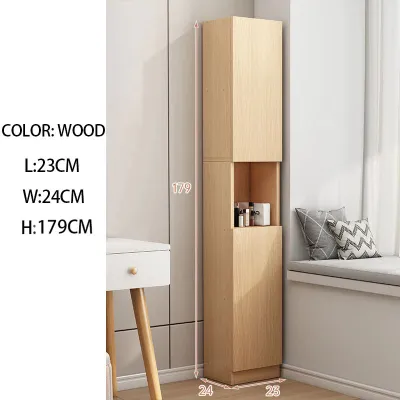
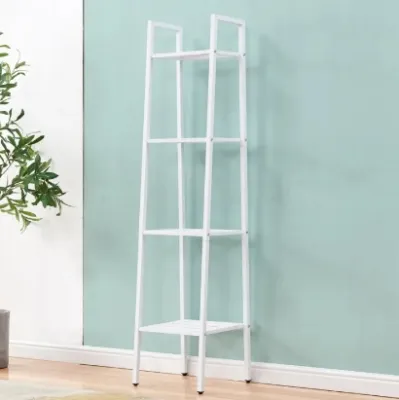
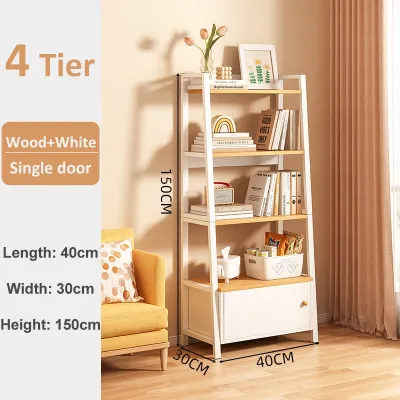
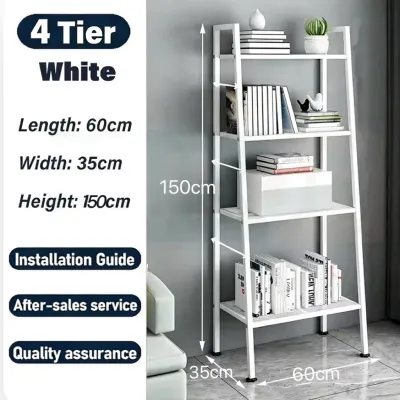
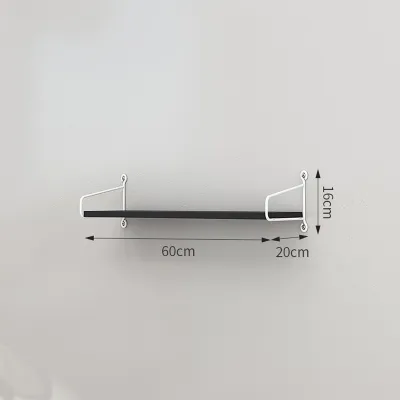
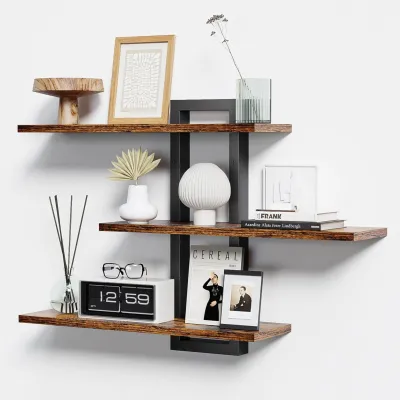
Prices are valid at publication and may change. Please refer to the product page for the latest price.
Balancing visual lightness with practical load-bearing needs is a core challenge of Nordic design. Scandinavian style favors thin profiles, tapered legs, and open frames, which can bow or sag if overloaded with heavy office files. If your storage needs are primarily functional and heavy, look for units with reinforced shelves or central support legs that maintain a minimalist profile without sacrificing structural integrity.
Set initial constraints for your budget, footprint, and primary use cases. Determine how much floor space you can dedicate to storage without crowding your desk or blocking natural light. Establishing a clear budget in ₱ early in the process helps filter out options that do not align with your financial plans, allowing you to focus on the best possible materials and construction within your target price range.
Identifying Authentic Nordic Design Elements
To find a bookshelf that truly embodies the Scandinavian aesthetic, you must recognize genuine Nordic design traits and filter out incompatible furniture styles. Authentic Nordic design is rooted in simplicity, functionality, and a deep connection to nature, which translates into specific visual and structural characteristics.

Recognizing key visual markers is the first step. Look for clean, straight lines, geometric simplicity, and a neutral color palette dominated by whites, soft grays, and natural wood tones. Wood accents typically feature light species such as oak, ash, beech, or pine, which reflect light and make your home office feel brighter and more spacious.
Evaluating form and function reveals the practical side of this design philosophy. True Nordic bookshelves often feature handleless doors with push-to-open mechanisms or recessed pulls, maintaining a seamless front surface. Open shelving is frequently paired with tapered, angled legs that lift the unit off the floor, creating a sense of airiness and making it easier to clean the floor underneath.
Managing visual clutter is essential to maintaining a minimalist aesthetic in a busy work environment. A completely open bookshelf can quickly look chaotic when filled with mismatched binders, colorful folders, and loose papers. Look for designs that incorporate lower cabinets or drawers, allowing you to hide unsightly office supplies while keeping the upper shelves open for curated books and decorative items.
Measuring Your Space and Access Routes
A beautiful bookshelf is only practical if it fits your room and can be delivered safely into your home. Precise spatial measurements are critical, especially in urban Philippine residences where space is often at a premium and access routes can be narrow.
Begin by measuring the floor footprint, ceiling height, and clearance zones. Use a metal measuring tape to determine the maximum width, depth, and height available along your target wall. Ensure there is sufficient clearance for your desk chair to glide back, for doors to open fully, and for walking paths to remain unobstructed. If the bookshelf is placed near a window, verify that it will not block natural ventilation or light.
Verifying access routes is a step that many buyers overlook until the delivery truck arrives. Check the dimensions of all doorways, stairwells, hallways, and elevator cabins that the furniture must pass through. In multi-story townhouses or high-rise condominiums, tight corners and low elevator ceilings can prevent the transport of large, pre-assembled units or long flat-pack boxes. Always compare these clearance measurements against the package dimensions provided by the manufacturer.
Evaluate modular versus fixed configurations based on your current layout and future plans. Fixed, single-unit bookshelves offer a seamless look but are difficult to move and cannot be adjusted. Modular configurations, on the other hand, consist of smaller, interlocking sections that you can arrange horizontally or vertically. This flexibility is highly beneficial if you rent your home or plan to reconfigure your office layout in the future.
Checking Materials, Finishes, and Weight Limits
To ensure your bookshelf lasts for years, you must inspect material quality and structural limits using manufacturer specifications rather than relying on visual appeal alone. The tropical climate in the Philippines presents unique challenges, including high humidity and temperature fluctuations, which affect furniture durability.
Check product labels and manuals for explicit shelf load limits and weight distribution rules. Manufacturers typically specify the maximum weight capacity per shelf in kilograms. Ensure these limits accommodate your heaviest books and equipment, and remember to place the heaviest items on the bottom shelves to maintain a low center of gravity and prevent bowing.
Inspecting surface treatments and edge banding is crucial for resistance to daily office wear and local humidity. In humid environments, poorly sealed edges can allow moisture to penetrate the core material, leading to swelling, warping, or peeling. Look for high-quality edge banding that is tightly bonded to the panels, and opt for protective finishes like melamine, laminate, or polyurethane coatings that seal the wood and make it easy to wipe clean.
Identify core board types and review their specific care and maintenance instructions. Solid wood offers excellent longevity but can be sensitive to extreme humidity changes if not properly sealed. Engineered woods, such as Medium-Density Fiberboard (MDF) or high-grade particle board, are common in Nordic-style furniture due to their flat surfaces and structural stability, but they must be protected from direct water contact. Plywood is another durable option that resists warping under humid conditions.
Verify hardware quality through detailed product descriptions. High-quality hinges, drawer slides, and connecting cam-locks are essential for smooth daily operation. Look for soft-close mechanisms on doors and drawers, which prevent slamming and reduce wear on the furniture joints over time.
Planning for Assembly and Structural Stability
Preparing for the installation process ensures your selected unit remains stable, safe, and functional during daily use. Whether you choose a flat-pack unit or a semi-assembled piece, proper setup is key to structural integrity.
Review assembly instructions, required tools, and estimated setup time before making your purchase. Many Nordic-style bookshelves are sold as flat-pack furniture, requiring self-assembly. Check if the package includes all necessary hardware and tools, or if you will need a drill, level, and rubber mallet. If you are not comfortable with DIY assembly, check if the retailer offers professional assembly services in your area.
Checking floor leveling requirements is vital for stability. Many floors in local homes, particularly tiled or older concrete floors, are not perfectly level. A tall bookshelf on an uneven floor will wobble and lean, putting stress on the joints and increasing the risk of tipping. Look for units equipped with adjustable leveling feet, which allow you to compensate for floor imperfections and keep the unit perfectly upright.
Understanding wall-anchoring necessities is a critical safety step for tall or top-heavy units. Any bookshelf standing over one meter tall should be anchored to the wall to prevent accidental tipping, especially in active workspaces or during seismic events. Verify the type of wall in your home office—such as concrete, hollow block, or drywall—and ensure you use the correct wall plugs and screws. Many manufacturers include basic wall-anchoring straps, but you may need to purchase heavy-duty masonry anchors separately depending on your wall construction.
Building Your Shortlist and Comparing Options
Once you understand your spatial, material, and structural requirements, you can systematically find, compare, and purchase suitable options in the local market.
Filter online furniture stores, local showrooms, and ecommerce platforms using specific Nordic and dimensional keywords. Instead of searching broadly for “bookshelf,” use precise terms like “Scandinavian open bookcase,” “Nordic modular shelving,” or “light oak office cabinet.” This helps narrow down search results to pieces that match the minimalist aesthetic and fit your specific dimensions.
Compare total costs in ₱, ensuring you look beyond the initial sticker price. Calculate the complete cost of ownership by adding delivery fees (which can be high for heavy furniture), professional assembly charges, and any necessary wall-anchoring hardware. Review the retailer’s return policies and warranty terms, particularly regarding manufacturing defects or transit damage.
Create a final comparison matrix to make an objective decision. List your shortlisted options side-by-side, comparing their verified dimensions, load capacities, material types, storage configurations (open vs. closed), and total costs in ₱. This structured approach ensures you select a Nordic bookshelf that perfectly balances form, function, and value for your Philippine home office.
Frequently Asked Questions (FAQ)
How do I prevent a light-colored Nordic bookshelf from yellowing over time?
Light-colored wood finishes and white-painted surfaces can yellow over time when exposed to direct sunlight and UV rays. To prevent this, position your bookshelf away from direct sunlight or use UV-filtering window films and curtains in your home office windows. For routine cleaning, avoid harsh chemical cleaners, bleach, or abrasive scrubs that can strip the protective topcoat. Instead, use a soft, slightly damp microfiber cloth with mild, pH-neutral soapy water, and dry the surface immediately with a clean cloth to prevent moisture from settling into the wood grain.
Can I mix open shelving and closed cabinets in a minimalist home office?
Yes, mixing open shelving and closed cabinets is highly recommended for maintaining a clean, minimalist home office. Placing closed cabinets or drawers at the bottom of the unit provides a stable visual base and hides bulky office supplies, files, and cables. Keep the upper shelves open to display books, plants, and curated decorative items, which maintains the airy feel characteristic of Nordic design. To keep open shelves looking organized, you can use matching storage boxes or woven baskets in neutral tones like beige, gray, or white to group smaller items together neatly.

Community discussion
Share your experience or ask a question. Comments are reviewed before publication.