
To protect a 6ft folding table from rust and moisture during the intense Philippine rainy season, you must look beyond basic material names and evaluate the protective finishes, joint construction, and hardware quality. The combination of high ambient humidity, frequent heavy downpours, and warm tropical temperatures creates an aggressive environment that accelerates the oxidation of metals and the degradation of porous surfaces. A reliable outdoor-ready table typically pairs a non-porous, water-resistant tabletop with a heavily coated metal frame and corrosion-resistant hardware.
When selecting a table of this size, structural stability and load capacity become even more critical, as wet conditions can compromise poorly protected joints and cause materials to warp or slip. A standard 6ft table offers ample surface area for outdoor gatherings, barangay events, or temporary workspaces, but its larger frame also means more surface area is exposed to the elements. By systematically checking the manufacturer’s specifications for weather-resistant coatings, sealed tube ends, and robust folding mechanisms, you can secure a utility table that remains safe and stable throughout the wettest months of the year.
Understanding Moisture and Rust Risks in the Philippine Rainy Season
The rainy season in the Philippines brings prolonged periods of high relative humidity, often hovering above 80 percent. This constant moisture in the air prevents surfaces from drying completely, creating a persistent film of water on exposed furniture. When combined with sudden, heavy downpours and subsequent high temperatures, this environment acts as a catalyst for chemical reactions that break down standard paints and oxidize unprotected metals.
Products mentioned in this guide
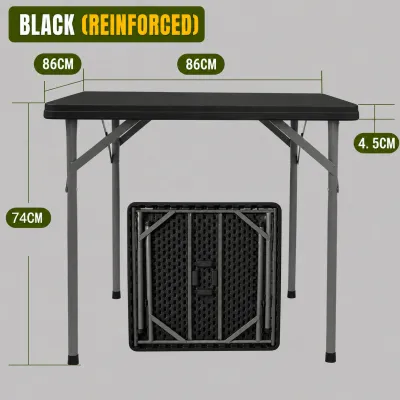
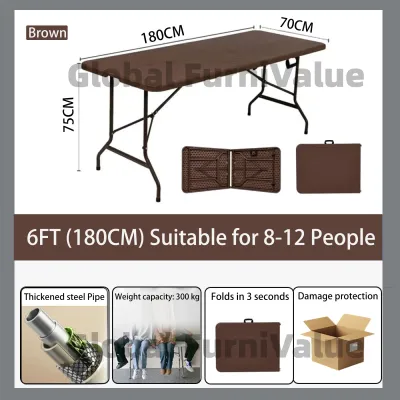
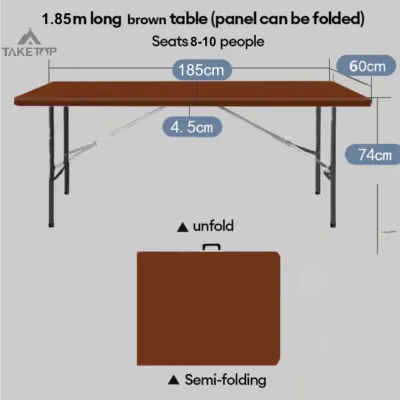
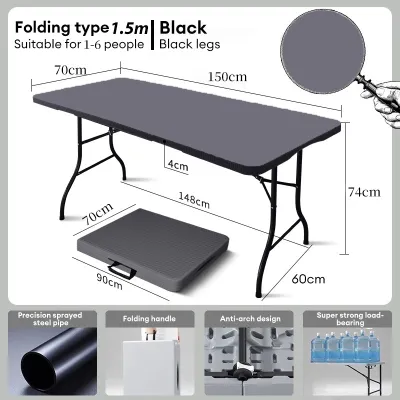
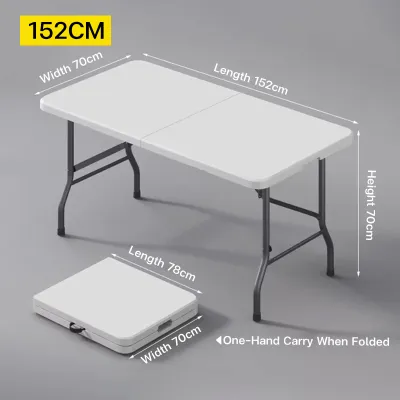
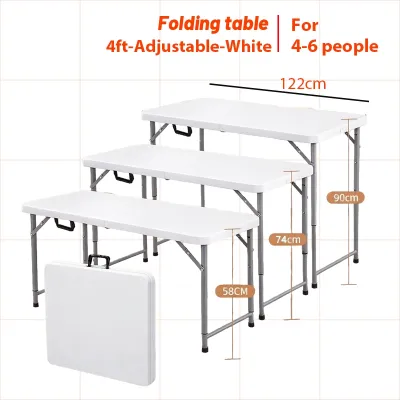
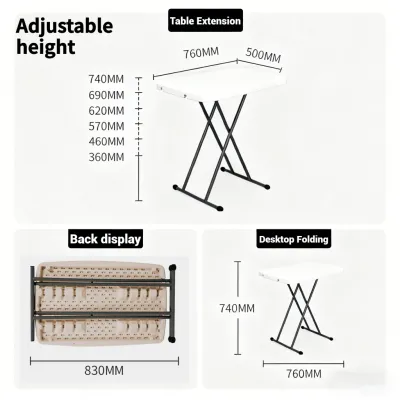
Prices are valid at publication and may change. Please refer to the product page for the latest price.
For a 6ft folding table, these environmental stressors present several distinct risks that can compromise both its appearance and its structural safety. Standing water can pool on the tabletop, eventually finding its way into seams, edge bands, or screw holes. Once moisture penetrates these areas, it can cause wood-based cores to swell, delaminate, or rot, while trapping water against the metal frame underneath.
To mitigate these risks, buyers should translate these weather challenges into specific product checks when browsing online marketplaces or local furniture stores. Look for explicit “outdoor-rated” or “all-weather” labels in the product description, and verify if the manufacturer provides specific weather-resistance certifications. While standard indoor folding tables may look identical to outdoor models, they often lack the specialized sealants and rust-inhibiting undercoats required to survive tropical humidity.
It is also essential to set realistic expectations regarding any outdoor furniture material. No folding table is entirely maintenance-free when subjected to continuous tropical rain and high humidity. Even high-grade materials will eventually degrade if left standing in water or stored while damp. Understanding that weather resistance is a manageable quality—rather than an absolute guarantee—highlights the importance of regular inspection, proper handling, and strategic storage.
Evaluating Frame and Leg Materials for Rust Resistance
The frame and legs form the structural backbone of a 6ft folding table, bearing the weight of the tabletop and any items placed upon it. When evaluating these components for rust resistance, you will generally choose between steel, aluminum, and heavy-duty resin. Each material offers distinct physical properties, but their performance in wet environments depends heavily on how they are treated and finished by the manufacturer.

Steel is highly valued for its exceptional load capacity and structural rigidity, which are vital for preventing a 6ft table from sagging in the middle. However, untreated steel is highly susceptible to rust when exposed to moisture and oxygen. To make steel viable for the rainy season, manufacturers must apply a robust protective barrier. Powder coating is the industry standard for this purpose; it involves applying a dry thermoplastic powder that is cured under heat to form a thick, resilient skin that resists chipping, scratching, and water penetration.
Aluminum is naturally more resistant to rust than steel because it forms a self-protecting alumina layer when exposed to air. It is also significantly lighter, making a 6ft table much easier to carry, transport, and store. However, aluminum is softer than steel and can dent or bend under heavy loads if the gauge is too thin. For enhanced durability, look for anodized aluminum frames, which feature an electrochemically thickened oxide layer that provides superior resistance to wear and environmental corrosion.
Regardless of the metal chosen, you must inspect the physical construction of the frame for potential moisture traps. Check that the hollow metal tubes used for the legs are completely sealed at the ends with tight-fitting plastic or rubber caps to prevent water from entering the interior. Examine the welded joints closely; rough, uneven welds often have thin spots in their protective coating where rust can easily take hold. Additionally, high-quality outdoor frames sometimes feature small, strategically placed drainage holes to allow any internal condensation to escape rather than pooling inside the tubes.
Choosing the Right Tabletop Surface for High Humidity
The tabletop of a 6ft folding table must withstand direct exposure to falling rain, pooling water, and intense UV radiation between storms. Selecting a material that resists water absorption is critical to preventing warping, mold growth, and structural softening. High-density polyethylene (HDPE) is one of the most reliable options for tropical wet seasons because it is entirely non-porous, meaning it cannot absorb water, swell, or rot.
When evaluating HDPE tabletops, look for models that feature a seamless, blow-molded construction. A single-piece tabletop eliminates the joints and seams where water can seep into the underside of the table. It is also wise to check the product specifications for UV-inhibiting additives; without UV protection, prolonged exposure to the intense tropical sun between rainstorms can cause the plastic to become brittle, yellow, and crack, which eventually allows moisture to penetrate the core.
Aluminum tabletops offer excellent moisture resistance and a sleek, modern appearance, but they can become very hot when exposed to direct sunlight and are prone to scratching. If you prefer the look of wood, exercise extreme caution during the rainy season. Standard particleboard or medium-density fiberboard (MDF) tabletops with thin laminate veneers will quickly swell and disintegrate if moisture breaches the edge banding. If you choose wood, ensure it is a naturally oily hardwood like teak, or that it has been treated with a marine-grade, water-resistant sealant that is rated for continuous outdoor use.
Before purchasing, inspect the surface texture and finish of the tabletop. A slightly textured or matte finish is often practical because it helps disperse water droplets, reducing the likelihood of large pools forming on the surface. Non-porous finishes are also much easier to wipe down and clean after a storm, preventing the accumulation of organic matter, dirt, and mold spores that thrive in warm, damp environments.
Checking Hardware, Hinges, and Folding Mechanisms
While the frame and tabletop comprise the bulk of the table, the small hardware components—such as hinges, locking pins, gravity rings, and screws—are often the first parts to fail in a wet climate. These moving joints experience constant friction during setup and folding, which can scrape away protective paint or zinc plating and expose the raw metal underneath to rapid oxidation.
When these critical components rust, they can seize up, making the table difficult or impossible to fold without damaging the frame. More importantly, rusted locking pins or weakened hinges compromise the safety of the table, increasing the risk of a sudden collapse under a heavy load. Therefore, verifying the material and coating of the hardware is a vital step in your selection process.
Look for product specifications that explicitly mention stainless steel, brass, or specialized anti-corrosion coatings for all joint hardware. Stainless steel (particularly grade 304 or higher) offers excellent resistance to rust and maintains its structural integrity even when exposed to moisture for long periods. If the manufacturer does not specify the hardware material, look for visible signs of protective plating, such as a bright zinc or yellow-chromate finish, which provides a basic level of sacrificial protection.
Before deploying the table, perform a physical check of the folding mechanism. Operate the hinges and locking rings to ensure they move smoothly without grinding or binding, which can indicate poor alignment or pre-existing corrosion. Check for any exposed, sharp, or untreated metal edges near the joints where water could easily bypass the protective finish. A well-designed table will feature smooth, rounded joints and robust locking mechanisms that engage securely without requiring excessive force.
Maintenance and Storage Practices to Prolong Table Life
Even the most weather-resistant 6ft folding table requires regular maintenance and proper storage to survive multiple rainy seasons in the Philippines. Developing a simple care routine can prevent minor surface issues from developing into structural failures. After outdoor use or exposure to rain, clean the table using a soft cloth, mild dish soap, and lukewarm water to remove dirt, salt, and organic debris that can trap moisture against the surface.
Avoid using abrasive scrubbing pads, steel wool, or harsh chemical cleaners like bleach or ammonia. These abrasive materials can scratch the protective powder coating on the frame or degrade the UV-resistant finish on an HDPE tabletop, leaving the underlying materials vulnerable to rust and sun damage. Once cleaned, it is absolutely critical to dry the table completely with a clean towel before folding it for storage.
Folding and storing a damp table is one of the most common causes of rapid deterioration. When folded, the table traps moisture between the collapsed legs and the underside of the tabletop, creating a humid microclimate that accelerates rust formation and mold growth. Store the folded table in a dry, well-ventilated indoor area, such as a garage, utility room, or covered closet. Keep the table elevated off damp concrete floors by placing it on a wooden pallet or rubber mat, and avoid leaning it directly against exterior walls that may absorb ground moisture.
Finally, know when to stop DIY maintenance and consult the manufacturer or a professional repair service. If you notice deep structural rust that has eaten through the metal tubing of the legs, if the table wobbles significantly when locked open, or if the safety locking mechanisms fail to engage securely, do not attempt to patch the issue with tape or temporary fixes. Using a structurally compromised table poses a serious safety hazard, and professional assessment or replacement is necessary to ensure the safety of those using it.
Frequently Asked Questions (FAQ)
Can I leave a weather-resistant folding table outside during heavy rain?
While a weather-resistant folding table is designed to withstand occasional exposure to rain, it should not be left outdoors indefinitely during heavy downpours. Continuous exposure to standing water and high humidity can eventually bypass protective coatings and find its way into unsealed joints. To prolong the life of your table, it is highly recommended to bring it under a covered patio or shelter when not in use, or to protect it with a fitted, breathable, and waterproof outdoor furniture cover.
How do I remove early signs of surface rust from the table legs?
If you notice early signs of surface rust, address them immediately to prevent the corrosion from spreading deeper into the metal. Gently scrub the affected area using a soft-bristled brush, a non-abrasive nylon pad, or a paste made of baking soda and water. Avoid using steel wool or harsh chemical rust removers, as these can strip away the surrounding protective powder coating. Once the surface rust is removed, wipe the area clean, dry it thoroughly, and apply a thin layer of manufacturer-approved touch-up paint or a protective silicone spray to seal the exposed metal.

Community discussion
Share your experience or ask a question. Comments are reviewed before publication.