
Planning a house move, or lipat-bahay, in the Philippines involves coordinating many moving parts, from securing transport to ensuring personal belongings arrive intact. While standard cardboard boxes and large opaque plastic tubs are traditional, they present a distinct challenge: once sealed, their contents are completely hidden. This lack of visibility often leads to chaotic unpacking sessions, where finding daily essentials like skincare, chargers, or keys requires opening multiple taped boxes. Clear acrylic storage organizers with lids offer a practical alternative for packing, organizing, and protecting your most valuable, fragile, or frequently used small items.
These transparent containers allow you to perform quick visual inventory checks without breaking open seals, making the transition to your new home significantly more organized. However, because acrylic is a rigid and relatively brittle material compared to flexible plastics, using it successfully during a move requires careful selection and specific packing strategies. This guide provides a comprehensive framework for evaluating acrylic organizers, preparing them for transit under tropical conditions, and choosing the right features for your specific household items. By focusing on structural integrity, lid security, and proper cushioning, you can leverage the organizational benefits of clear storage while keeping your belongings safe throughout the journey.
Why Use Acrylic Organizers with Lids for Moving?
The primary advantage of using clear acrylic organizers during a move is the immediate visibility they provide. During the hectic first few days in a new home, searching through dozens of identical cardboard boxes for a specific item can be frustrating. Acrylic bins allow you to see exactly what is inside from any angle, which is especially useful for high-priority items that you need to access immediately upon arrival, such as daily toiletries, medications, or essential documents. This transparency simplifies the unpacking process, allowing you to place each organizer directly into its designated drawer or shelf without intermediate sorting.
Products mentioned in this guide
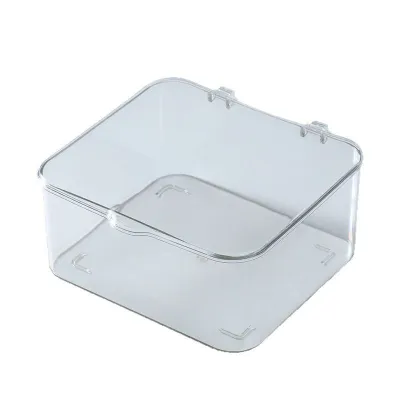
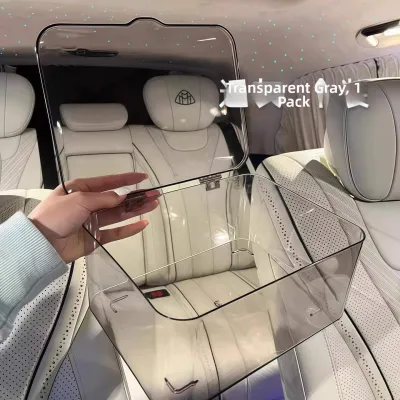
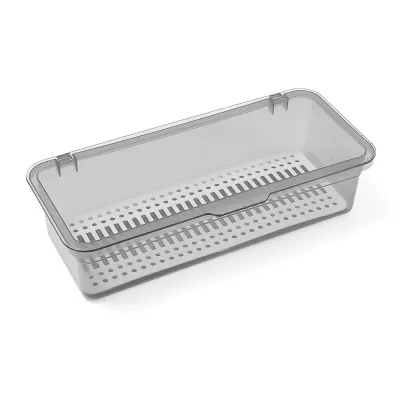
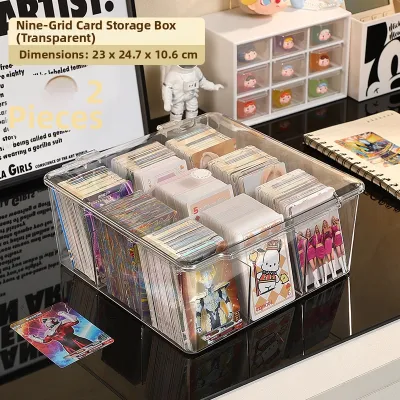
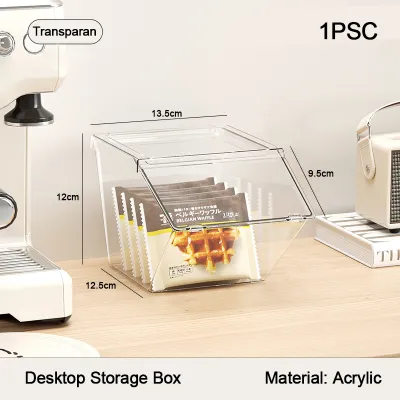
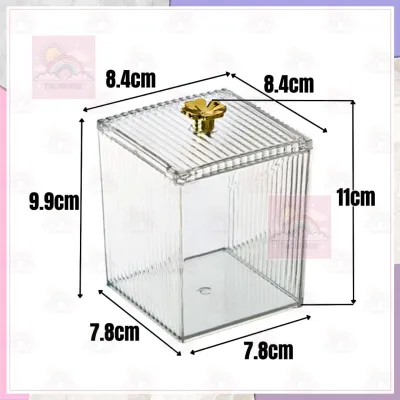
Prices are valid at publication and may change. Please refer to the product page for the latest price.
Beyond visibility, acrylic offers structural rigidity that flexible plastic pouches or cardboard boxes cannot match. This rigid structure creates a protective shell around delicate items, preventing them from being crushed when other packages shift during transit. For instance, expensive cosmetics, glass perfume bottles, and small collectibles are highly vulnerable to pressure. Placing them inside a sturdy acrylic box ensures that external forces are distributed across the container’s walls rather than being transferred directly to your fragile belongings.
However, it is important to recognize the physical limitations of acrylic before committing to it for your entire move. Acrylic is more susceptible to scratching, cracking, and chipping under heavy impact than softer plastics like polypropylene. If a heavy object collides with an acrylic bin in the back of a moving truck, the bin may crack. Additionally, acrylic has a lower weight capacity than industrial-grade moving totes, meaning it is not suitable for packing heavy tools, books, or dense kitchenware. Understanding these trade-offs allows you to use acrylic strategically, reserving it for lightweight, fragile, and high-value items while relying on tougher materials for bulkier cargo.
Key Features to Check Before Buying
When shopping for acrylic organizers on e-commerce platforms or at local home improvement stores in the Philippines, you must look beyond aesthetics to evaluate how well the containers will perform under the physical stress of a move. The first feature to examine is the lid mechanism. A loose-fitting lid that simply rests on top of the bin is highly likely to slide off during transit, spilling your items. Instead, prioritize organizers with secure snap-lock latches or tight-fitting hinged lids. If you choose models with detachable lids, ensure they have deep, snug-fitting rims that can be easily secured with low-tack tape during the move.

Material thickness is another critical factor that directly influences the durability and load capacity of the organizer. Cheap, thin acrylic bins tend to bow or flex when filled, which weakens the joints and increases the risk of cracking under pressure. When evaluating products, check the specifications for wall thickness; a thickness of 3 millimeters or more generally indicates a sturdier build. Additionally, look for structural reinforcements such as ribbed edges, molded corners, or a reinforced base. These design elements add significant rigidity, helping the container maintain its shape even when stacked under moderate weight.
Ergonomic handles are essential for safe handling during a busy move. Look for organizers that feature integrated, molded-in handles or recessed hand grips on the sides. These designs allow you to maintain a firm hold while carrying the bin, reducing the risk of accidental drops. Avoid bins with thin, glued-on handles, as the adhesive joints can fail unexpectedly when the container is fully loaded. Furthermore, ensure that the handle design does not create large open holes that compromise the dust-proof or splash-proof seal of the container, especially if you are moving during the rainy season.
Stackability is a key consideration for maximizing the limited vertical space inside a moving vehicle. High-quality acrylic organizers feature interlocking lid designs, where the bottom of one bin fits securely into a recessed groove on the lid of the bin below it. This interlocking mechanism prevents the stacked containers from sliding side-to-side when the moving truck encounters bumpy roads or sharp turns. Before purchasing, verify that the bins are designed to stack stably and that the lids are flat and rigid enough to support the weight of another loaded container without bowing inward.
Packing and Protecting Acrylic Bins During Transit
Properly packing the interior of your acrylic organizers is just as important as selecting the right container. Because acrylic has a smooth, hard surface, items packed loosely inside can slide around, causing internal scratches or breaking against each other. To prevent this, line the bottom of the bin with a layer of bubble wrap or clean packing paper to act as a shock absorber. Wrap individual fragile items, such as glass bottles or ceramic ornaments, in protective wrapping before placing them in the bin. Fill any remaining empty spaces with crumpled paper to ensure that nothing shifts when the bin is moved.
Weight distribution within each organizer must be carefully managed to prevent structural failure. Always place the heaviest items at the bottom of the bin to maintain a low center of gravity and reduce the risk of the container tipping over. Avoid overloading the bins beyond their physical limits; if you notice the bottom of the acrylic bin flexing when you lift it, it is too heavy. It is far safer to distribute heavier items across multiple smaller organizers than to pack them all into a single large container that might crack under the strain.
To protect the polished exterior of your acrylic organizers from scuffs, scratches, and impact damage, you should wrap the outside of the bins before loading them onto the truck. Wrapping each bin tightly in stretch wrap or a thick moving blanket provides an excellent barrier against friction and minor bumps. This external wrapping also serves as an additional safety measure, keeping the lids firmly secured and preventing latches from accidentally catching on other boxes and popping open during transit.
Labeling your organizers clearly is essential for an efficient unpacking process, but you must use the right materials to avoid ruining the clear finish. Standard packing tape and high-tack paper labels often leave behind a sticky adhesive residue that cures and hardens in the tropical heat of the Philippines. Removing this residue can be difficult and often leads to accidental scratches. Instead, use low-tack painter’s tape or reusable silicone labels directly on the acrylic. Alternatively, you can wrap the entire organizer in stretch film first, and then apply standard packing labels or write directly on the film with a permanent marker.
Scenario-Based Selection Guide
Different categories of household items require specific organizational features to ensure they survive a move without damage. When preparing for your move, categorizing your belongings allows you to match them with the most suitable acrylic organizer designs. Use the following scenario-based profiles to guide your search on online marketplaces or during visits to local department stores, ensuring you select bins tailored to the unique requirements of your items.
For Cosmetics and Skincare
Beauty products, perfumes, and skincare items are highly vulnerable during a move due to their fragile packaging and potential for liquid leaks. For these items, look for shallow acrylic organizers equipped with adjustable internal dividers. These dividers allow you to customize the compartment sizes, keeping bottles, tubes, and compacts upright and tightly packed to prevent them from rolling around. Prioritize organizers with secure snap-lock lids and integrated silicone gaskets. This sealing feature ensures that if a bottle of toner or liquid foundation does leak under the pressure of transit, the spill is completely contained within the bin, protecting your other packed belongings from damage.
For Small Electronics and Cables
Tech accessories, charging cables, power banks, and small gadgets can easily become a tangled, disorganized mess during a move, and their delicate screens are highly susceptible to scratching. To protect these items, select acrylic organizers featuring multiple small, dedicated compartments. This layout keeps cables separated and prevents metal plugs from rubbing against sensitive electronic screens. Look for bins with dust-proof seals and secure latches to keep tiny components like memory cards, adapters, or wireless earbuds from shifting or falling out through small gaps during the journey.
For Office Supplies and Documents
Paperwork, files, notebooks, and stationery items are dense and heavy, requiring organizers that can handle significant weight without compromising their structure. For document storage, choose flat, wide acrylic bins that are specifically sized to accommodate standard A4 or letter-sized papers without bending the corners. Ensure these bins feature reinforced bases and flat, heavy-duty lids designed for stable stacking. The lids must be rigid enough to support the weight of stacked bins filled with paper, preventing any bowing that could damage the documents inside or cause the stack to collapse.
Frequently Asked Questions (FAQ)
Can acrylic storage boxes withstand the heat inside a moving truck?
Acrylic is a thermoplastic material, which means its physical properties can change when exposed to elevated temperatures. Inside a closed moving truck parked under the intense tropical sun in the Philippines, temperatures can quickly rise to levels that may cause thin or low-quality acrylic to soften, warp, or become more brittle. To mitigate this risk, avoid placing your acrylic organizers near the metal roof or outer walls of the moving truck, where heat accumulation is highest. If possible, transport your acrylic bins containing high-value or highly sensitive items inside the air-conditioned cabin of your personal vehicle, or pack them deep within the center of the truck load where they are shielded from direct heat exposure.
How do I remove sticky residue from labels on acrylic bins after moving?
If your acrylic organizers end up with sticky adhesive residue from moving tape or labels, it is crucial to clean them using gentle, non-abrasive methods to avoid clouding or scratching the clear plastic. Start by washing the affected area with warm, soapy water and a soft microfiber cloth, gently rubbing the residue in a circular motion. For more stubborn adhesive, apply a small amount of cooking oil, mineral oil, or a specialized plastic-safe cleaner to the spot and let it sit for a few minutes to break down the glue before wiping it clean. Never use abrasive scrubbing pads, razor blades, or harsh chemical solvents like acetone, alcohol, or nail polish remover, as these substances will permanently dissolve, discolor, or scratch the acrylic surface.
Are acrylic organizers better than heavy-duty plastic totes for moving?
Acrylic organizers and heavy-duty plastic totes serve entirely different functions during a move, and neither is a universal replacement for the other. Heavy-duty opaque plastic totes, typically made from impact-resistant polypropylene, are designed to handle heavy loads, rough handling, and stacking in demanding environments, making them ideal for bulkier household goods, kitchenware, and clothing. Acrylic organizers, by contrast, prioritize high visibility and precise organization, making them suitable for lightweight, fragile, and high-value personal items that you need to monitor and access quickly. For a successful move, use a combination of both: rely on heavy-duty totes for the bulk of your belongings, and reserve clear acrylic bins for your curated collections, cosmetics, and small electronics.

Community discussion
Share your experience or ask a question. Comments are reviewed before publication.