
Selecting a bar table counter high for an outdoor space in the Philippines requires a careful look at material engineering. The combination of intense tropical heat, high humidity, and heavy seasonal rainfall can quickly degrade standard furniture. To ensure longevity, the best materials are those featuring advanced, manufacturer-applied protective finishes, such as powder-coated aluminum, pressure-treated hardwoods, and UV-inhibited high-density synthetic resins. No raw material is entirely immune to the elements on its own; its survival depends on how it is treated, joined, and maintained.
Outdoor bar tables are popular additions to verandas, balconies, and garden patios, offering an elevated view and a casual dining experience. However, because these tables stand higher than standard dining sets, they are more exposed to wind and rain. This makes material selection and structural integrity paramount for safety and durability.
How the Tropical Climate Affects Outdoor Bar Tables
The Philippine climate presents unique challenges for outdoor furniture. High temperatures, high humidity, and abundant rainfall create a demanding environment that accelerates the wear and tear of materials. Understanding these stressors helps in selecting a table that can withstand the elements.
Products mentioned in this guide
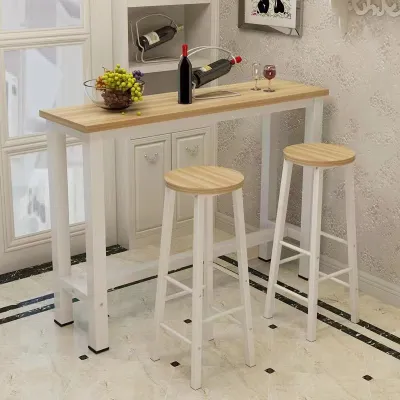
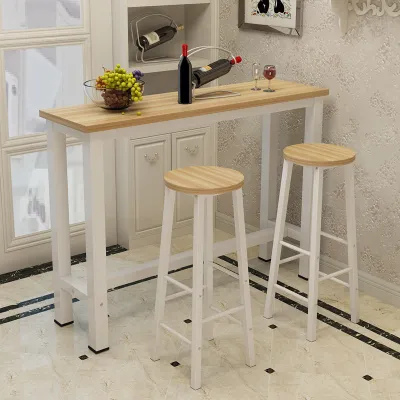
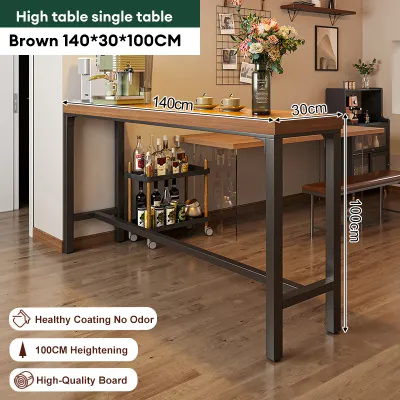
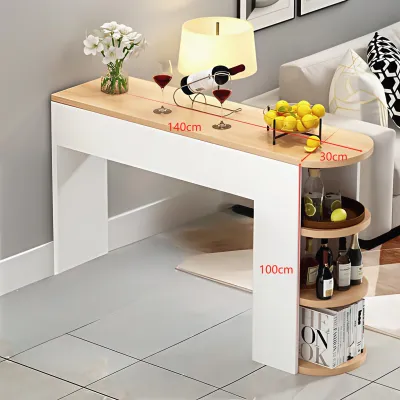
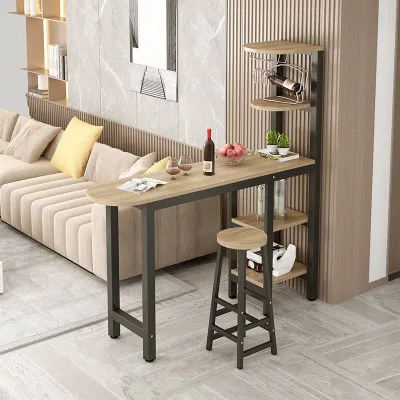
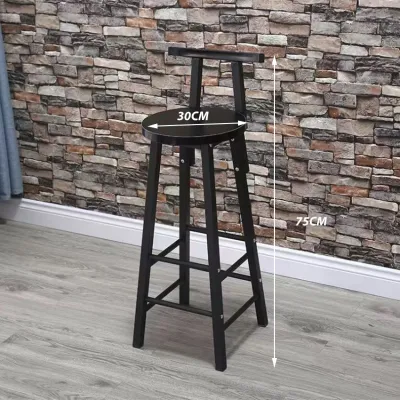
Prices are valid at publication and may change. Please refer to the product page for the latest price.
Intense ultraviolet (UV) radiation from the tropical sun is a primary cause of material degradation. UV rays break down chemical bonds in untreated plastics, causing them to fade, crack, and become brittle. They also dry out wood finishes, stripping away protective oils and leaving the timber vulnerable to moisture.
High ambient humidity is another constant factor. Moisture in the air settles on surfaces, creating an ideal breeding ground for mold, mildew, and fungi. For wood, constant humidity changes cause the fibers to expand and contract, leading to warping, splitting, and loose joints over time.
Heavy monsoon rains can quickly saturate furniture. If water pools on flat surfaces, it can seep into micro-cracks in the finish. For untreated metals, this triggers rapid oxidation, leading to rust that compromises structural integrity. For wood, prolonged wetness leads to rot and decay.
A successful purchase relies on verifying the protective barriers applied by the manufacturer rather than assuming a material is naturally weatherproof.
Evaluating Common Materials for Outdoor Counter-Height Tables
Buyers often encounter marketing terms like “all-weather” or “100% waterproof.” These terms can be misleading without technical specifications to back them up. To make an informed decision, buyers must inspect product labels, technical specifications, and manufacturer warranties to confirm suitability.

Metal Frames and Aluminum Alloys
Aluminum is highly regarded for outdoor use because it does not rust in the same way iron or steel does. However, raw aluminum can still oxidize and develop a chalky residue when exposed to constant moisture. To prevent this, look for aluminum frames with a powder-coated finish or anodized treatments that enhance corrosion resistance.
For steel or iron frames, marine-grade paint or hot-dip galvanization is essential. Without these treatments, moisture will quickly reach the metal, causing rust that can stain your patio tiles and weaken the frame.
Inspect the physical construction carefully. Because a bar table counter high has a higher center of gravity, the metal tubing must be thick enough to prevent flexing. Examine the welded joints; they should be smooth, continuous, and fully coated, as uncoated welds are prime spots for rust to take hold. Look for manufacturer documentation that explicitly states the frame is rated for outdoor use.
Hardwoods and Treated Timber
Wood brings a natural, warm aesthetic to outdoor spaces, but it requires specific characteristics to survive the tropics. Hardwoods like teak, eucalyptus, and shorea are popular choices due to their dense grain and natural oils, which help repel water and pests.
However, even these woods require verification of proper treatment. Check if the timber has been pressure-treated with preservatives or finished with marine-grade varnishes or specialized outdoor oils. These treatments seal the wood pores, preventing moisture absorption and UV damage.
Pay close attention to the hardware and joinery. Outdoor tables should be assembled using stainless steel, brass, or galvanized steel screws and brackets. Standard steel hardware will rust quickly in high humidity, leaving unsightly stains on the wood and weakening the joints.
Understand the maintenance commitment before buying. All outdoor wood furniture requires periodic resealing, oiling, or varnishing to maintain its protective barrier. Check the manufacturer’s recommended maintenance schedule to ensure it aligns with your willingness to perform regular upkeep.
Synthetic Wicker and High-Density Resins
Synthetic wicker, often made from polyethylene (PE) resin, offers the look of natural rattan without the susceptibility to rot and moisture damage. However, low-quality plastics will quickly degrade under the intense tropical sun.
When evaluating synthetic wicker or resin tables, confirm the presence of UV inhibitors. These chemical additives are mixed into the resin during manufacturing to absorb or reflect harmful UV rays, preventing the material from fading, cracking, or becoming brittle.
Inspect the underlying frame. Synthetic wicker is woven over a metal core. If this core is made of untreated steel, it can rust silently beneath the weave, eventually causing the table to collapse. Ensure the internal frame is made of powder-coated aluminum or rust-treated steel.
Check the density and tightness of the weave. A loose weave can sag over time, especially on a counter-height tabletop where items are placed. The tabletop should have a solid support structure beneath the wicker—such as a tempered glass top or a reinforced resin panel—to keep the surface level and rigid under load.
Structural and Stability Checks for Counter-Height Designs
A bar table counter high presents unique structural challenges compared to standard dining tables. Because the tabletop is elevated—typically standing between 34 to 42 inches high—the furniture has a higher center of gravity, making it more susceptible to tipping.
Evaluate the base-to-height ratio. A stable counter-height table should have a wide, substantial base or heavy footings to anchor it against strong winds and the dynamic weight of people leaning on the edge. Lightweight tables with narrow bases are safety hazards in windy outdoor areas like balconies or open verandas.
Look for adjustable leveling feet. Outdoor surfaces, such as stone patios, wooden decks, or garden tiles, are rarely perfectly flat. Leveling feet allow you to adjust each leg individually, eliminating wobbles that could cause drinks to spill or the table to tip.
Verify the weight capacity of both the tabletop and the footrests. Footrests on counter-height tables are not just for comfort; they also act as structural stretchers that reinforce the legs. Ensure the manufacturer specifies a weight capacity that can handle the pressure of users stepping on or resting weight on the footrests.
Maintenance Routines for Humid and Rainy Conditions
Proper maintenance is key to protecting your investment and extending the lifespan of your outdoor bar table. In the humid and rainy Philippine climate, a proactive care routine can prevent minor issues from turning into permanent damage.
Establish a regular routine to clear debris, leaves, and pooling water from the tabletop and footrests. Organic matter left on the table can trap moisture and create a breeding ground for mold, mildew, and algae, which can stain finishes and degrade materials.
Use breathable, waterproof covers during periods of prolonged rain or when the table is not in use for extended periods. It is crucial to ensure the table is completely dry before covering it. Trapping moisture under a non-breathable cover can create a greenhouse effect, accelerating mold growth and rust.
Always consult the manufacturer’s care instructions before applying any aftermarket sealants, oils, or cleaning agents. Using the wrong product can strip away factory-applied protective coatings and void your warranty. Stick to approved cleaning methods and products recommended for your specific table material.
Frequently Asked Questions (FAQ)
Can I leave my counter-height bar table outside during the monsoon season?
While many outdoor tables are labeled as weather-resistant, this does not mean they are completely weatherproof against extreme tropical storms. Prolonged exposure to heavy monsoon rains and high winds can wear down protective finishes and risk tipping the table. During the peak of the monsoon season or during active typhoon warnings, it is highly recommended to move the table to a covered area, such as a veranda or garage, or secure it with a heavy-duty, breathable cover anchored to the ground.
How do I clean mold or mildew from outdoor table surfaces?
To clean mold or mildew safely, start with a soft-bristled brush and a mild solution of soapy water. Gently scrub the affected areas to lift the spores without scratching the surface. Avoid using harsh chemical bleach, ammonia, or abrasive scrubbing pads, as these can strip away UV-resistant coatings, paint, or protective oils. Always refer to the manufacturer’s product manual for approved cleaning agents to ensure you do not inadvertently damage the material or void the warranty.

Community discussion
Share your experience or ask a question. Comments are reviewed before publication.