
Moving house in the Philippines—often referred to locally as a lipat bahay—presents unique challenges, from sudden tropical downpours to navigating tight interior hallways and steep stairwells. While traditional cardboard boxes are common, high-quality plastic storage boxes offer superior protection against humidity, pests, and physical impact during transit. Selecting the right plastic containers requires looking beyond basic aesthetics to evaluate structural integrity, material composition, and space efficiency.
This guide outlines how to identify durable plastic bins, match them to your household goods, and plan your packing strategy to ensure a seamless transition to your new home. By focusing on practical verification steps and physical design features, you can secure containers that protect your investments and withstand the rigors of transport.
Key Structural Features to Look for in Moving Boxes
When evaluating plastic storage boxes for a move, the material composition is your first line of defense. Virgin polypropylene (PP) or high-density polyethylene (HDPE) is generally more durable and less brittle than recycled alternatives. You can identify virgin plastic by its relative clarity, lack of a harsh chemical odor, and slight flexibility under pressure rather than immediate cracking. Look for the resin identification code molded into the bottom of the box; a “5” inside the recycling triangle indicates polypropylene, which is highly favored for its balance of toughness and heat resistance in tropical climates.
Products mentioned in this guide
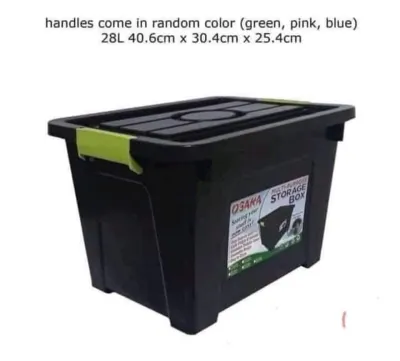
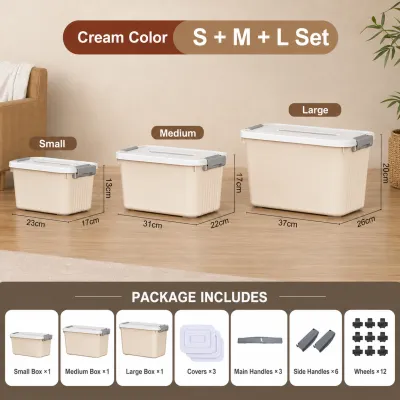
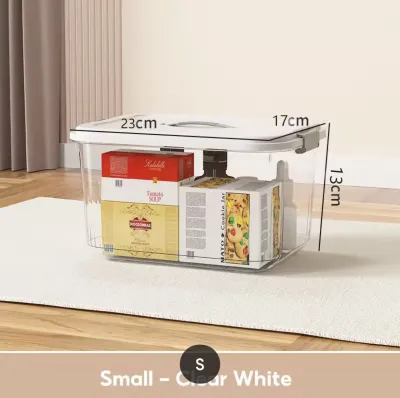
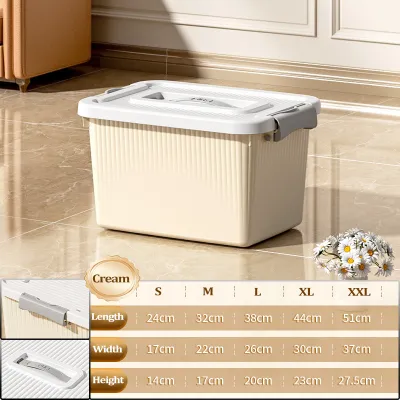
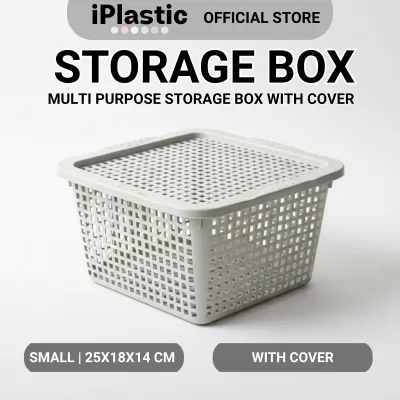
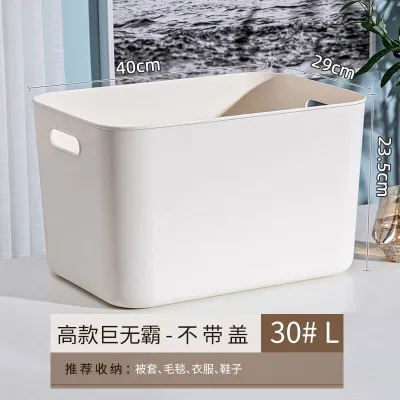
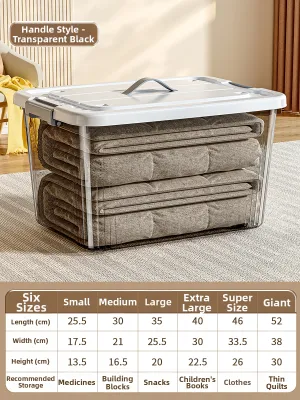
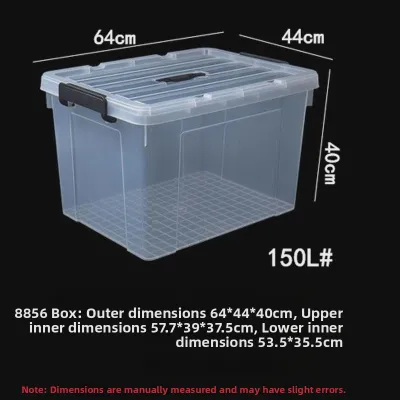
Prices are valid at publication and may change. Please refer to the product page for the latest price.
Structural integrity is what prevents a box from bowing or warping when packed with heavy household items. Inspect the exterior walls for molded reinforcement ribs, which are vertical or diagonal columns that distribute weight and resist outward pressure. The top rim and the bottom edges should be noticeably thicker than the side walls, as these areas absorb the most stress during lifting and stacking. A reinforced grid pattern on the underside of the base is another critical indicator of a box designed to handle heavy loads without sagging.
Safe stacking relies entirely on how securely the lid of one box nests into the base of the one above it. Look for lids with deep, molded grooves or recessed channels that match the footprint of the box’s bottom. This interlocking design prevents the upper box from sliding off during sudden stops or turns in a moving vehicle. Additionally, evaluate the locking latches; heavy-duty snap-locks or ergonomic buckles that clamp the lid securely to the rim prevent accidental spills and keep dust and moisture out.
Moving requires lifting boxes repeatedly, making handle design a primary safety and efficiency consideration. Recessed handles molded directly into the box body are highly durable because they have no moving parts to snap off under load, though they must be deep enough to accommodate gloved hands comfortably. Protruding handles or separate clip-on latches can sometimes break if banged against door frames, but they often offer a more comfortable grip for heavy lifting. Ensure the handles do not compromise the interior storage space or create entry points for water.
Matching Box Types and Sizes to Your Belongings
Packing heavy items like books, kitchenware, or tools into large plastic boxes is a common mistake that leads to structural failure and physical strain. For these items, select smaller, thick-walled containers with a capacity of 30 liters or less. These smaller dimensions naturally limit the total weight of the packed box, making it manageable for one person to lift. Ensure these boxes feature heavy-duty base reinforcement to prevent the bottom from bowing and popping the lid open.

Bulky but lightweight items, such as clothes, blankets, pillows, and curtains, are ideal for larger plastic storage boxes ranging from 60 to 100 liters. Because tropical humidity can trap moisture and lead to mold or musty odors, choose boxes with tight-sealing lids. Some specialized storage boxes feature integrated foam gaskets or weather-stripping along the lid rim to create an airtight seal, which is highly effective at keeping out dust, humidity, and common household pests.
When packing delicate glassware, ceramics, or small electronic devices, the interior design of the plastic box is just as important as its exterior strength. Choose boxes with smooth, flat interior walls that allow cushioning materials—such as bubble wrap, packing paper, or foam inserts—to lie flat against the sides. Avoid boxes with sharp internal protrusions or deep structural indentations that could press unevenly against fragile items. Ensure there is enough vertical clearance to close the lid securely without compressing the contents.
Sorting through dozens of identical, opaque boxes during unpacking can be incredibly tedious. For miscellaneous items, toys, office supplies, or bathroom essentials, opt for transparent or semi-transparent plastic boxes. This allows you to identify the contents at a glance without opening every container. Alternatively, look for boxes that accommodate modular, built-in dividers or smaller organizer trays, which keep small parts from shifting and getting lost in transit.
Planning Dimensions for Vehicles and New Spaces
Do not rely on visual estimates or generic labels like “large” or “extra-large” when purchasing storage boxes. Always check the manufacturer’s official specifications for both external dimensions (length, width, and height) and internal usable capacity. The external dimensions are critical for calculating how many boxes can fit side-by-side in a vehicle, while the internal dimensions dictate whether your longest or tallest items will actually fit inside.
Before purchasing a large quantity of boxes, measure the cargo area of your moving vehicle—whether it is a personal SUV, a hired utility van, or a closed truck. Compare these measurements with the external dimensions of your chosen boxes to plan an efficient loading grid. Additionally, measure the narrowest points of your moving route, including elevator door widths, stairwell clearances, and tight hallway corners in both your old and new residences, to ensure your packed boxes can pass through smoothly.
While plastic boxes are stackable, they have physical limits that must be respected. Check the manufacturer’s guidelines for the maximum recommended stacking height or weight capacity. As a general rule, avoid stacking plastic boxes more than three to four layers high in a moving vehicle, even if they are heavy-duty models. The bottom box bears the cumulative weight of all boxes above it, and the dynamic forces of a moving vehicle—such as bumps, sudden braking, and sharp turns—can multiply this load, causing the bottom container to deform or crack if overloaded.
Where to Buy and How to Inspect Your Delivery
When sourcing plastic storage boxes in bulk, compare your purchasing options carefully. Large home improvement centers and department stores allow you to physically inspect the plastic quality, thickness, and latch mechanisms before buying, though transporting a large volume of empty boxes home can be challenging. Official brand stores and comprehensive online marketplaces often offer convenient bulk delivery options and volume discounts, but you must carefully review their return policies in case any boxes arrive damaged during transit.
Upon receiving your delivery, conduct a thorough quality check before packing any items. Inspect each box for hairline cracks, chipped corners, or warped walls, which severely compromise structural integrity. Open and close the lids multiple times to verify that the latches snap shut securely and do not pop open under slight pressure. Finally, check for strong, acrid chemical odors; a persistent, pungent smell often indicates low-grade recycled plastics that may off-gas and transfer odors to your stored fabrics.
To avoid the hassle of returning a massive order of unsuitable containers, implement a phased purchasing strategy. Start by ordering a small sample batch of two or three boxes in your preferred sizes. Test these samples by packing them with typical household items, stacking them, and checking how much the plastic flexes under load. Once you are satisfied with their performance, durability, and ease of handling, you can confidently place a larger bulk order for the rest of your move.
Safe Packing and Stacking Practices for Transit
Proper weight distribution within each box is essential for maintaining stability during transit. Always place the heaviest items, such as books or heavy kitchen appliances, at the very bottom of the container to establish a low center of gravity. Place lighter, softer items on top to fill the remaining space. This distribution prevents the box from becoming top-heavy, which increases the risk of it tipping over when carried or when the moving vehicle is in motion.
When loading the moving vehicle, stack your plastic boxes systematically. Ensure that the heaviest boxes are placed on the vehicle floor, with progressively lighter boxes stacked on top. Align the boxes precisely so that the interlocking lid channels engage fully, keeping the stack perfectly vertical. To prevent the stacks from shifting or sliding during transit, secure them to the vehicle’s interior tie-down points using heavy-duty ratchet straps or bungee cords.
The tropical climate in the Philippines means high humidity and sudden rain showers are always a possibility during a move. Verify that your boxes seal tightly enough to resist splashing water, especially if using an open-air utility vehicle. For moisture-sensitive items like electronics, documents, and delicate clothing, place silica gel packets or hanging desiccants inside the boxes before sealing them. This simple step helps absorb trapped moisture and protects your belongings from mold and mildew.
Frequently Asked Questions (FAQ)
Can I use standard storage bins for moving, or do I need heavy-duty boxes?
Standard storage bins are designed for static home storage and often feature thinner walls and more flexible lids, making them prone to cracking under the dynamic stresses of a vehicle move. For heavy, dense, or fragile items, it is highly recommended to invest in heavy-duty moving boxes with reinforced corners, thick walls, and secure latching lids. Standard bins can still be used, but they should be reserved strictly for lightweight, bulky, and non-fragile items like pillows, blankets, or plush toys.
How do I prevent plastic boxes from cracking or breaking during transit?
To prevent cracking, never exceed the manufacturer’s recommended weight limits for each box. Fill any empty spaces inside the container with crumpled packing paper, bubble wrap, or towels to prevent the contents from shifting and striking the interior walls during sudden stops. Avoid exposing the plastic boxes to direct, intense sunlight for extended periods, as UV rays can degrade the plastic and make it brittle. Finally, always lift and set down the boxes gently rather than dropping them onto hard surfaces.

Community discussion
Share your experience or ask a question. Comments are reviewed before publication.